Best CRM Software in Pakistan For Your Small Business

In today’s competitive digital landscape, small businesses need more than just quality products or services to grow. Managing customer relationships, tracking sales opportunities, and maintaining consistent communication have become critical factors for long-term success. This is where CRM software in Pakistan plays a vital role by helping small businesses centralize customer data, automate workflows, and improve decision-making. For Pakistani businesses, especially startups and SMEs, adopting a reliable CRM system is no longer optional—it is a strategic necessity. With rising competition across industries, businesses that invest in smart customer management systems gain a significant advantage over those still relying on manual records and disconnected tools. What Is CRM Software and Why Does It Matter? Customer Relationship Management (CRM) software is designed to help businesses manage interactions with current and potential customers. It acts as a centralized platform where all customer data, communication history, sales activities, and support interactions are stored and managed efficiently. A well-implemented CRM system allows businesses to: For small businesses, CRM software creates structure, visibility, and consistency—three elements that are essential for sustainable growth. The Growing Demand for CRM Software in Pakistan As Pakistani businesses increasingly move toward digital transformation, the demand for CRM software in Pakistan has grown rapidly. Small businesses are realizing that spreadsheets and manual systems are no longer sufficient to handle customer data, follow-ups, and sales forecasting. Industries such as real estate, healthcare, education, retail, e-commerce, and professional services are actively adopting CRM solutions to streamline operations. A CRM system enables businesses to respond faster, personalize customer interactions, and close deals more efficiently—something that directly impacts revenue growth. Key Benefits of CRM Software for Small Businesses Improved Customer Management CRM software provides a complete view of every customer, including contact details, communication history, purchase behavior, and preferences. This allows businesses to build stronger and more personalized relationships. Better Sales Performance With structured pipelines and automated follow-ups, sales teams can focus on closing deals rather than managing data. CRM systems reduce missed opportunities and improve conversion rates. Enhanced Team Productivity By automating repetitive tasks such as data entry, reminders, and reporting, CRM software frees up valuable time for teams to focus on high-impact activities. Data-Driven Decisions CRM analytics and reports help businesses understand customer behavior, sales trends, and performance metrics, enabling smarter decision-making. Why Small Businesses in Pakistan Need CRM Solutions? Small businesses often face challenges such as limited resources, growing customer bases, and intense competition. Implementing CRM software in Pakistan helps overcome these challenges by providing structure, automation, and clarity. Instead of relying on memory or scattered records, businesses can maintain a professional, organized approach to customer engagement. This not only improves internal efficiency but also builds trust and credibility with customers. Why DigitalErena Is the Best Choice for CRM Software? DigitalErena stands out as a leading software development company offering fully customized CRM solutions designed specifically for small and growing businesses. Rather than providing generic, one-size-fits-all software, DigitalErena focuses on building CRM systems that align perfectly with business workflows, goals, and customer engagement strategies. Our CRM software is designed to help businesses: By choosing DigitalErena’s CRM solutions, businesses gain access to scalable, secure, and performance-driven systems that grow alongside their operations. Features of DigitalErena’s CRM Software Custom Dashboard & User-Friendly Interface Our CRM software offers intuitive dashboards that provide quick access to leads, customers, sales activities, and reports—making it easy for teams to stay productive. Lead & Sales Pipeline Management Track every lead from first contact to deal closure with clear visibility into each stage of the sales process. Customer Communication Tracking Maintain a complete history of emails, calls, meetings, and follow-ups in one centralized system. Reporting & Analytics Get real-time insights into sales performance, customer behavior, and team productivity through customizable reports. Secure & Scalable Architecture Our CRM systems are built with strong data security measures and scalable architecture to support future growth. CRM Software Integration with Business Systems DigitalErena’s CRM solutions seamlessly integrate with other business tools such as ERP systems, POS software, accounting platforms, and third-party applications. This creates a unified digital ecosystem where data flows smoothly across departments, eliminating duplication and improving accuracy. By integrating CRM with other systems, businesses achieve better operational efficiency and stronger decision-making capabilities. Choosing the Right CRM Software for Your Business Selecting the right CRM system is a critical decision. Businesses should look for solutions that offer flexibility, customization, ease of use, and reliable support. A powerful CRM software in Pakistan should not only manage customer data but also adapt to changing business needs. DigitalErena follows a consultative approach, starting with requirement analysis to ensure that the CRM system aligns with business objectives and delivers measurable value. How CRM Software Drives Long-Term Growth CRM software is not just a tool—it is a growth enabler. By improving customer experience, optimizing sales processes, and enhancing internal collaboration, businesses build a strong foundation for long-term success. With DigitalErena’s CRM solutions, businesses gain: These benefits translate directly into higher revenue and sustainable growth. Why DigitalErena Is a Trusted CRM Partner As a trusted technology partner, DigitalErena delivers more than just software. We provide ongoing support, system optimization, and future enhancements to ensure that your CRM system continues to deliver value over time. Our commitment to quality, innovation, and client success makes us a preferred choice for businesses looking to implement advanced CRM solutions. Conclusion For small businesses aiming to scale and compete effectively, investing in CRM software in Pakistan is a strategic move that delivers long-term benefits. With the right CRM system, businesses can manage customers efficiently, improve sales performance, and build lasting relationships. DigitalErena offers powerful, customized CRM solutions that empower businesses to grow smarter, faster, and more efficiently. By choosing DigitalErena, you choose a technology partner dedicated to your success and digital transformation.

Best CRM Software in Pakistan For Your Small Business Read More »

Custom ERP Software Development Services in Pakistan

In today’s competitive digital economy, businesses require smarter, more efficient systems to manage operations, data, and growth. Manual workflows, disconnected tools, and outdated software often result in inefficiencies, errors, and limited scalability. This is where Custom ERP Software Development Services play a critical role in helping organizations streamline operations and achieve long-term success. Across Pakistan, companies are rapidly adopting ERP solutions to gain real-time visibility, automate processes, and improve decision-making. Unlike off-the-shelf software, custom ERP systems are designed around specific business workflows, ensuring flexibility, performance, and future-ready growth. What Is Custom ERP Software? Enterprise Resource Planning (ERP) software is an integrated system that connects core business functions such as finance, inventory management, HR, sales, procurement, and reporting into a single centralized platform. When businesses opt for Custom ERP Software Development Services, the software is tailored precisely to their operational requirements instead of forcing them to adapt to generic tools. A custom ERP system eliminates unnecessary features, integrates seamlessly with existing tools, and evolves as the business grows. This approach provides greater control, security, and efficiency compared to traditional ERP solutions. Why Businesses in Pakistan Need Custom ERP Solutions As industries in Pakistan expand and digitize, businesses face increasing operational complexity. Managing data across departments using spreadsheets or disconnected software leads to inefficiencies and missed opportunities. Custom ERP systems help organizations: By investing in Custom ERP Software Development Services, companies gain a competitive advantage through better control, transparency, and agility. Key Features of a Custom ERP System A well-designed ERP solution adapts to business needs rather than limiting them. Some essential features include: Centralized Data Management All business data is stored in a unified system, enabling real-time access and eliminating duplication. Modular Architecture Custom ERP systems are built in modules, allowing businesses to add or upgrade features as needed without disrupting operations. Advanced Reporting & Analytics Custom dashboards and reports provide actionable insights for informed decision-making. Role-Based Access & Security Strong access control ensures data security while allowing employees to view only relevant information. Seamless Integration ERP systems can integrate with CRM solutions, POS software, accounting tools, and third-party APIs. Benefits of Custom ERP Software Development Services Choosing Custom ERP Software Development Services offers long-term value beyond standard ERP platforms. Businesses benefit from: Custom ERP solutions align technology with business goals, making them a powerful asset for sustainable growth. ERP vs Off-the-Shelf ERP Solutions While pre-built ERP software may seem cost-effective initially, it often creates limitations over time. Off-the-shelf systems include unnecessary features, lack flexibility, and require businesses to adjust their workflows. Custom ERP development provides: This is why many organizations prefer Custom ERP Software Development Services for long-term operational success. Industries That Benefit from Custom ERP Systems Custom ERP solutions serve a wide range of industries in Pakistan, including: Each industry requires unique workflows, making Custom ERP Software Development Services the most effective solution. ERP Integration with CRM and POS Systems Modern businesses rely on multiple digital tools. A custom ERP system integrates seamlessly with: This unified ecosystem enhances data flow, reduces errors, and improves overall efficiency. The Role of Cloud-Based ERP Solutions Cloud-enabled ERP software allows businesses to access data anytime, anywhere. Cloud deployment offers: When combined with Custom ERP Software Development Services, cloud solutions provide unmatched flexibility and reliability. ERP Development Process A professional ERP development process includes: This structured approach ensures the ERP system aligns perfectly with business objectives. Why Choose DigitalErena for Custom ERP Development? A Trusted Software Development Company in Pakistan DigitalErena is a reliable software development company in Pakistan known for delivering purpose-driven, scalable, and secure ERP solutions. We focus on building systems that align with real business operations instead of forcing companies into rigid, off-the-shelf software. Business-Centric ERP Solutions Tailored to Your Needs Every business has unique workflows, challenges, and growth objectives. That’s why our Custom ERP Software Development Services are designed after detailed requirement analysis, ensuring the ERP system perfectly matches your operational structure and long-term goals. Scalable, Secure, and High-Performance Architecture We build ERP systems using clean architecture, modern frameworks, and industry best practices. Our solutions are engineered for performance, data security, and scalability—allowing your ERP to grow seamlessly as your business expands. Seamless Integration with Existing Systems Our custom ERP solutions integrate smoothly with CRM systems, POS software, accounting tools, and third-party platforms. This creates a unified digital ecosystem that improves data accuracy, operational visibility, and decision-making. End-to-End Development and Ongoing Support From planning and development to deployment and optimization, DigitalErena provides complete ERP lifecycle support. We ensure your ERP system remains updated, optimized, and aligned with evolving business needs. Driving Long-Term Digital Growth By choosing DigitalErena, businesses gain a long-term technology partner committed to innovation, quality, and measurable results. Our ERP solutions help organizations streamline processes, reduce manual work, enhance productivity, and achieve sustainable digital growth. Final Thoughts ERP software is no longer a luxury—it is a necessity for businesses aiming to grow, compete, and scale efficiently. Custom ERP systems provide the flexibility, control, and performance required in today’s digital environment. By choosing Custom ERP Software Development Services, businesses in Pakistan can transform operations, enhance productivity, and unlock new growth opportunities with future-ready technology.

Custom ERP Software Development Services in Pakistan Read More »

Why Good Design Without SEO is a Wasted Investment

Why Good Design Without SEO is a Wasted Investment

Why Good Design Without SEO is a Wasted Investment It is no longer sufficient to have an aesthetically pleasing website in today’s digitally-first society. While impressive visuals can capture attention, website design without SEO is a wasted investment. Many businesses spend heavily on design but overlook SEO—a critical factor that determines whether the site will ever be seen by potential customers. Your website design SEO strategy is just as important as the site’s aesthetics. Without proper optimization, you may end up with a visually appealing but invisible website that fails to drive organic traffic, generate leads, or boost sales. Let’s dive deeper into why design and SEO must work together to maximize your overall website investment. Why Design and SEO Must Work Together A website’s success relies on both its user experience (UX) SEO and its visibility in search engine rankings. An attractive website that isn’t search engine optimized is likely to go unnoticed—resulting in wasted time, effort, and money. That’s the danger of website design without SEO. SEO for good design ensures your website is not only visually appealing but also functional, fast, and discoverable by search engines. Search engines prioritize websites that follow both web design best practices and SEO best practices, including optimized structure, fast load times, and mobile responsiveness. A well-optimized website avoids the costly mistake of website design without SEO and significantly boosts your digital marketing ROI by driving consistent, long-term traffic—without the need to rely solely on paid advertising. SEO for good design ensures your website is not just visually appealing but also functional, fast, and discoverable. Ignoring SEO means risking the consequences of website design without SEO, which often leads to low visibility and poor user engagement. Search engines prioritize websites that implement both web design best practices and SEO best practices, including optimized structure, fast loading speeds, and mobile responsiveness. A well-optimized website avoids the pitfalls of website design without SEO and significantly boosts your digital marketing ROI (Return on Investment) by driving consistent organic traffic—without relying solely on paid ads. SEO for Good Design: The Hidden Power Behind Visibility Design is about aesthetics, while SEO for good design ensures that design is both accessible and discoverable by search engines. However, website design without SEO means even the most creative and interactive site may fail to attract traffic or rank well online. Key Elements of SEO for Good Design: Mobile-Friendly Design SEO – Search engines reward mobile-optimized websites because the majority of users browse on smartphones. Failing to optimize for mobile is one of the biggest drawbacks of website design without SEO. Website Load Speed Impact on SEO – A slow-loading website increases bounce rates and negatively affects your search rankings, turning your investment into a missed opportunity. Technical SEO for Websites – Structured data, clean URL formatting, and optimized code help search engines better understand and rank your site. Great design should seamlessly integrate content optimized with long-tail keywords that directly address user intent—something often overlooked in website design without SEO strategies. Wasted Website Investment: What It Really Means Design is about aesthetics, while SEO for good design focuses on making that design accessible and discoverable. However, website design without SEO fails to bridge the gap between visual appeal and online visibility. Without proper SEO, even the most creative and interactive website will struggle to attract visitors or rank on search engines. Key Elements of SEO for Good Design: Mobile-Friendly Design SEO – Search engines reward mobile-optimized websites because most users browse on smartphones. Ignoring this is a common pitfall in website design without SEO. Website Load Speed Impact on SEO – A slow website increases bounce rates and damages search rankings, making speed a crucial factor in performance. Technical SEO for Websites – Structured data, clean URLs, and optimized code help search engines better understand and index your site. Great design should incorporate content optimized with long-tail keywords that address user queries—something that’s typically missing in website design without SEO strategies. Imagine the Cost of Ignoring SEO Imagine spending thousands on a stunning website that fails to generate leads or rank on Google. This is the reality of website design without SEO—a wasted website investment. A beautiful but unoptimized site is like opening a store in the desert: impressive, but invisible. How SEO Prevents a Wasted Website Investment Website Visibility – SEO ensures your site is discoverable by users actively searching for your products or services. Conversion Rate Optimization(CRO) – Combining good design with SEO improves user journeys, leading to higher conversions. Brand Authority Building – Higher rankings and optimized content establish your business as a trusted authority in your industry. Website Design SEO: Building for Long-Term Success Website design SEO is about creating a site that balances aesthetics, functionality, and performance. Without SEO, even the most beautifully designed site may fall short of its goals. That’s the problem with website design without SEO—it might look great but fail to attract or retain users. A truly effective website not only draws visitors in but keeps them engaged and guides them toward action. Web Design Best Practices Clean, intuitive navigation for a seamless user experience. Clear CTAs (Call-To-Actions)  strategically placed to guide user behavior. Visual hierarchy that emphasizes the most important content and drives user attention. SEO Best Practices Keyword-optimized headings and meta descriptions to improve visibility in search results. Fast-loading images and compressed files to enhance site speed and reduce bounce rates—something often overlooked in website design without SEO. Proper internal linking to improve both navigation and overall SEO performance. By combining these best practices, you avoid the pitfalls of website design without SEO and build a high-performing website that supports both user experience and search engine success. The Impact of User Experience (UX) SEO on Rankings User experience (UX) SEO is a crucial ranking factor in today’s digital landscape. Google closely monitors how users interact with your site—so if your design looks good but loads slowly or is difficult to navigate, it can negatively impact your search engine

Why Good Design Without SEO is a Wasted Investment Read More »

Should You Use WordPress, Shopify, or Code from Scratch?

Use of WordPress, Shopify, or Code from Scratch? Selecting an appropriate platform for your website is a crucial choice. This website platform comparison—WordPress vs Shopify vs Custom Code—will help you make the best web development decision based on your business goals, budget, and technical requirements. Whether you’re building a small business website or preparing for enterprise website development, understanding the ecommerce platform choice and website builder comparison landscape is essential. Each option—WordPress, Shopify, or custom development—has unique strengths, limitations, and long-term implications for SEO, scalability, maintenance, and flexibility. Let’s dive into the pros and cons of WordPress, Shopify, and the benefits of custom website development to help you determine what’s right for you. Whether you’re building a small business website or preparing for enterprise website development, understanding the ecommerce platform choice and website builder comparison landscape is essential. Each option—WordPress, Shopify, or custom development—has unique strengths, limitations, and long-term implications for SEO, scalability, maintenance, and flexibility. Let’s dive into the pros and cons of WordPress, pros and cons of Shopify, and the benefits of custom website development to help you determine what’s right for you. WordPress for Business: Pros and Cons of WordPress With good reason, WordPress powers more than 40% of the internet. It’s open-source, customizable, and supported by a vast ecosystem of themes, plugins, and developers. In the comparison of WordPress vs Shopify vs Custom Code, WordPress stands out for its flexibility and user-friendly approach—especially for content-focused or service-based websites. Pros: SEO for WordPress is strong thanks to plugins like Yoast and Rank Math. Ideal for blogs, service-based businesses, and content marketing. WooCommerce integration allows for a complete e-commerce solution. Great for those looking for a DIY-friendly or agency-supported platform. Cost-effective with free core software and many low-cost plugin options. Cons: Requires regular updates, backups, and website maintenance. Vulnerable to security threats if not properly managed. Performance issues can arise without good hosting and optimization. Shopify for Online Store: Pros and Cons of Shopify Shopify is a fully hosted platform built specifically for e-commerce. It simplifies everything from store design to inventory management and payment processing.  Pros: Easy to use, especially for non-technical users. Includes hosting, SSL, and PCI compliance for website security. Excellent scalability for growing e-commerce businesses. Highly optimized for mobile and fast-loading by default. provides extensive integrations along with strong support. Cons: Monthly subscription and transaction fees can add up. Customization is limited compared to WordPress or custom coding. SEO is good but slightly less flexible than in WordPress or custom setups. Some features require third-party apps, which may increase costs. Benefits of Custom Website Development: Coding a Website from Scratch WordPress vs Shopify vs Custom Code: Feature Comparison Without the Table For businesses with unique needs, coding a website from scratch can offer unmatched flexibility and power. When to Choose Custom Development: You need a highly customized interface or complex functionality. You’re building enterprise-level software, a SaaS platform, or proprietary tools. You want total control over performance, SEO, and UX/UI design. Drawbacks: Highest upfront cost in any website cost comparison. Requires skilled developers and long-term support planning. Maintenance, hosting, and security are 100% your responsibility. While it’s not for everyone, custom development can be a strategic choice for large or rapidly scaling businesses needing features beyond what WordPress or Shopify can offer. To make the right web development decision, consider these core features across platforms: Initial Investment WordPress: Low startup costs; costs scale with added plugins, themes, and maintenance. Shopify: Fixed monthly fees; additional costs for apps and features. Custom Code: Highest initial cost; includes developer time and infrastructure setup. Maintenance and Security WordPress requires consistent plugin and theme updates. Shopify takes care of all security patches and updates for you. Custom sites need manual security updates and infrastructure oversight. SEO Optimization SEO for WordPress is very strong with proper setup. Although less adjustable, Shopify’s SEO is strong and includes apps and built-in features. Custom sites can be optimized thoroughly, but require experienced SEO developers. Scalability and Performance With the correct plugins and hosting, WordPress can grow.   Shopify is designed to grow with your traffic and inventory requirements.   Custom platforms scale based on how well they’re architected. Design and Flexibility WordPress offers near-infinite design options through themes and builders. Shopify has themes, but deeper customization is harder. Custom sites offer total flexibility—design, structure, backend, and UX. WooCommerce vs Shopify For those selling products online, a common dilemma is whether to use WooCommerce (on WordPress) or Shopify. WooCommerce is free to use but requires hosting, security, and maintenance attention. It integrates seamlessly with WordPress for content-rich sites and supports flexible design. Shopify is ideal for those who want to launch quickly without worrying about hosting or updates. It’s user-friendly and robust, but customization can be limited. The choice often depends on whether you prioritize content marketing (WooCommerce) or transactional simplicity (Shopify). DIY Website Builders vs Custom Code If you’re on a budget or prefer doing things yourself, WordPress offers excellent DIY website builder tools like Elementor and Gutenberg. Shopify also provides drag-and-drop features, but they’re more product-focused and tailored for e-commerce. In the context of WordPress vs Shopify vs Custom Code, both platforms cater well to users with limited technical skills. On the other hand, custom coding offers unmatched precision—but demands more time, resources, and technical skill. If you have a very specific need or want full creative control, coding from scratch may be worth the investment, especially when comparing WordPress vs Shopify vs Custom Code for long-term flexibility and performance. Website Maintenance and Security WordPress requires active website maintenance: plugin updates, backups, uptime monitoring, and malware protection. Shopify includes these services automatically as part of the subscription, giving you peace of mind. Custom sites demand continuous attention from developers or DevOps teams to remain secure, fast, and available. Website Scalability and Long-Term Planning   Scalability matters whether you’re a small business website today or planning to become a high-traffic enterprise website in the future. When evaluating WordPress vs Shopify vs Custom

Should You Use WordPress, Shopify, or Code from Scratch? Read More »

The Rise of E-Commerce in Pakistan: Opportunities and Challenges

In recent years, Pakistan’s e-commerce industry has undergone a remarkable transformation. With increased internet access, a youthful and tech-savvy population, and a surge in entrepreneurship, the digital marketplace in Pakistan is booming. However, along with these promising developments come significant challenges that must be addressed for sustainable growth. The Growth of E-Commerce in Pakistan E-commerce in Pakistan has experienced exponential growth, with the market projected to reach $4 billion by 2025. Several key factors have fueled this growth: Opportunities in the E-Commerce Sector Challenges Facing the E-Commerce Industry in Pakistan Despite its growth, several challenges hinder the full potential of e-commerce: The Path Forward for E-Commerce in Pakistan To sustain growth and address existing issues, the following steps are crucial: Conclusion Pakistan’s e-commerce industry holds immense potential to transform the retail landscape and boost the economy. While growth is strong, challenges like logistics, payment security, and regulatory gaps must be addressed. With strategic investments, supportive policies, and increased consumer trust, the next phase of e-commerce in Pakistan could redefine commerce and entrepreneurship in the country.

The Rise of E-Commerce in Pakistan: Opportunities and Challenges Read More »

How to Fix 404, 503, and 301 Errors for Better SEO Performance

When it comes to optimizing a website, many focus on keywords, content, and backlinks. However, one of the most important elements of a successful SEO campaign is sometimes disregarded: correcting website errors. The most frequent—and, if ignored, most harmful—of these are 404, 503, and 301 errors. And it is important that how to fix Error 404, 503 & 301. Understanding and resolving these errors is a vital part of Technical SEO, which focuses on optimizing the infrastructure of your website to help search engines crawl and index your content more effectively. In this post, we’ll break down what each error means, how it impacts your SEO, and, most importantly, how to fix them. What Are 404, 503, and 301 Errors? Let’s quickly outline these errors before moving on to solutions: 1. 404 Error – Page Not Found A 404 error occurs when a user tries to access a page that doesn’t exist. This could happen due to a mistyped URL, deleted content, or broken internal links. How to fix error 404? It’s described below in explanation. 2. 503 Error – Service Unavailable A 503 error indicates that the server is temporarily unavailable. It can be the result of maintenance, server overload, or other technical problems. 3. 301 Error – Permanent Redirect A 301 status code isn’t necessarily an error, but rather a signal that a page has been permanently moved to a new location. When used incorrectly, though, it can lead to redirect chains, loops, or loss of link equity. Why These Errors Hurt SEO Performance The goal of search engines is to give users the greatest possible experience. If your website returns too many errors, it sends a signal that your site is unreliable or poorly maintained. Here’s how these errors specifically affect your SEO performance: 404 errors frustrate users and can result in lost traffic and crawl budget. 503 errors can prevent search engines from accessing your site, affecting crawlability and indexing. Incorrect 301 redirects can confuse bots and users, leading to loss of page authority and visibility. Fixing these errors is a critical part of Technical SEO and can lead to improved site rankings, better user experience, and increased organic traffic. How to Fix Error 404: Page Not Found 1. Audit Your Site for Broken Links Use tools like Google Search Console, Screaming Frog, or Ahrefs to scan your website for broken links that result in 404 errors. 2. Implement 301 Redirects for Deleted or Moved Pages If the content has moved, use a 301 redirect to point the old URL to the new one. This helps preserve link equity and ensures users and search engines land on the right page. 3. Create a Custom 404 Page By directing visitors to additional pertinent material, a useful 404 page can lower bounce rates. Add a nice message, links to well-known pages, and a search bar. 4. Fix Internal Links Update or remove internal links that point to non-existent pages. Keeping your internal linking clean ensures smooth navigation, better link-building and better crawl efficiency. Fixing 503 Errors: Service Unavailable 1. Monitor Server Uptime Use monitoring tools like UptimeRobot or Pingdom to track server performance. It could be time to improve your hosting package if you see a lot of 503s. 2. Avoid Overloading Your Server High traffic spikes or poorly optimized scripts can overload your server. Optimize your code, use caching mechanisms, and consider a Content Delivery Network (CDN) to distribute traffic. 3. Set Maintenance Windows Wisely If your 503 error is due to scheduled maintenance, inform users in advance. Always return a proper 503 status code with a “Retry-After” header to signal search engines that the downtime is temporary. 4. Check for Plugin or Theme Conflicts For CMS-based sites like WordPress, a malfunctioning plugin or theme can trigger 503 errors. Switch themes or disable plugins one at a time to find the offender. Fixing 301 Redirect Issues 1. Use 301 Redirects Strategically Only use 301 redirects when you’ve permanently moved content. Use a 302 redirect in its place if the move is only temporary. When 301s are misused, page authority can be diminished and search engines can become confused. 2. Avoid Redirect Chains and Loops A redirect chain occurs when one URL redirects to another, which then redirects to a third, and so on. Redirect loops are even worse—where URLs keep redirecting back to each other. These spend crawl budget and slow down your website. Use tools like Screaming Frog or Redirect Checker to identify and fix these. 3. Update Internal Links Once a 301 redirect is in place, update your internal links to point directly to the new URL. This minimizes unnecessary redirects and improves user experience. 4. Track Redirect Performance Monitor how your redirects are performing in tools like Google Analytics and Search Console. Check for drops in traffic or indexing issues. Best Practices for Technical SEO and Error Management Now that you know how to fix each type of error, here are some broader Technical SEO best practices to prevent issues in the future: Run regular technical audits using tools like SEMrush, Ahrefs, or Moz. Monitor Google Search Console for crawl errors, indexing issues, and mobile usability. Use a reliable hosting provider with strong uptime guarantees. Implement proper URL structures that are clean, readable, and stable. Keep your sitemap and robots.txt files updated to ensure efficient crawling. Use HTTPS and ensure all HTTP pages redirect correctly to secure versions. Minimize use of outdated or unnecessary plugins that may break functionality. Conclusion: Turn Errors into SEO Opportunities While 404, 503, and 301 errors are often viewed as technical nuisances, fixing them can significantly enhance your SEO performance. These website errors don’t just affect user experience—they impact how search engines perceive and rank your site. By addressing these issues with a proactive Technical SEO strategy, you improve site crawlability, preserve link equity, and build a more trustworthy presence online. Regularly audit your website, keep your technical foundation strong, and you’ll see the benefits in your search

How to Fix 404, 503, and 301 Errors for Better SEO Performance Read More »

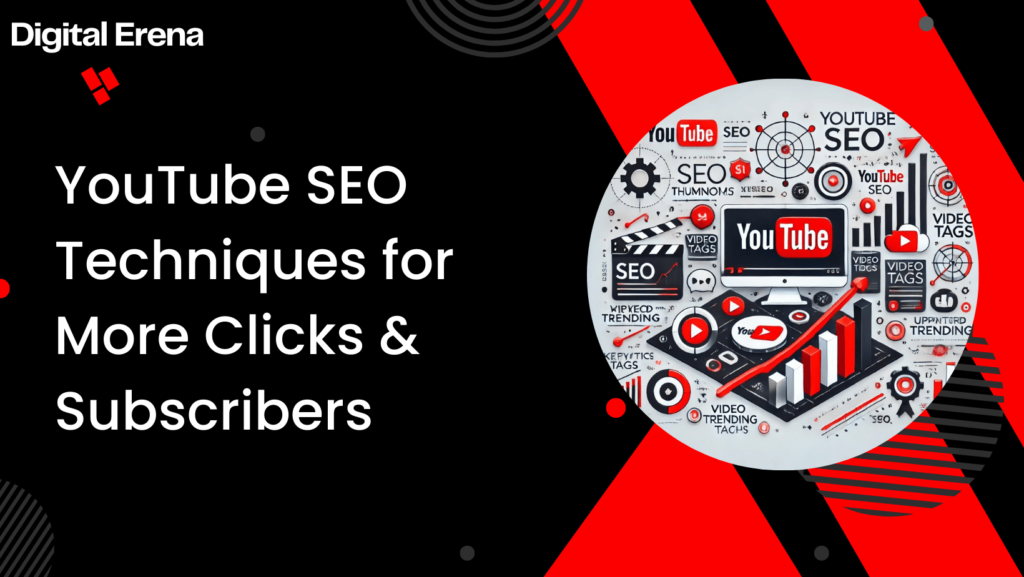
YouTube SEO Techniques

YouTube SEO Techniques for More Clicks & Subscribers

YouTube has become one of the most powerful platforms for content creators, marketers, and businesses looking to grow their audience. However, with millions of videos uploaded daily, getting noticed requires more than just great content. Optimizing your videos using YouTube SEO techniques can help you get more clicks on YouTube and increase YouTube subscribers. In this guide, we’ll explore the best strategies to rank higher in search results and grow your YouTube channel effectively. Why YouTube SEO is Important YouTube is the second-largest search engine in the world, and its algorithm determines which videos get recommended to users. If your videos are optimized correctly, they are more likely to appear in search results and recommendations, leading to higher visibility and engagement. Using the right YouTube SEO techniques can help you rank your videos faster and improve overall channel performance. 1. YouTube Keyword Research: Finding the Right Keywords Keyword research is the foundation of YouTube video optimization. Choosing the right keywords ensures your videos appear in search results when users look for relevant content. How to Find the Best Keywords for YouTube: 2. Optimizing Video Titles, Descriptions, and Tags Your video title, description, and tags play a crucial role in YouTube SEO. A well-optimized video will rank on YouTube faster and attract more views. Best Practices for Video Titles: How to Write an SEO-Friendly Video Description: Using Tags Effectively: 3. Creating High-Quality and Engaging Video Content While SEO can improve rankings, content quality ultimately determines audience retention and engagement. Tips for Engaging YouTube Content: 4. Optimizing Video Thumbnails and Titles for Higher Click-Through Rate (CTR) A compelling thumbnail can significantly impact your CTR (Click-Through Rate) and help you get more clicks on YouTube. Best Practices for YouTube Thumbnails: 5. Increasing Watch Time and Audience Retention YouTube’s algorithm prioritizes videos that keep viewers engaged for longer periods. Watch time and audience retention are crucial ranking factors. How to Improve Watch Time: 6. Leveraging YouTube Engagement Strategies Engagement signals such as likes, comments, and shares influence video rankings. Ways to Boost Engagement: 7. Using Playlists to Rank Videos Faster Playlists help organize your content and keep viewers watching multiple videos, increasing session watch time. How to Use Playlists for YouTube SEO: 8. Analyzing Performance with YouTube Analytics Tracking your performance helps you refine your YouTube SEO techniques. Key Metrics to Monitor: Conclusion Mastering YouTube SEO techniques is essential for getting more clicks on YouTube and increasing YouTube subscribers. By focusing on YouTube video optimization, keyword research, thumbnails, audience engagement, and analytics, you can enhance your video rankings and grow your channel efficiently. Start implementing these strategies today and watch your YouTube channel thrive! For more insights and digital marketing services, visit our website DigitalErena!

YouTube SEO Techniques for More Clicks & Subscribers Read More »

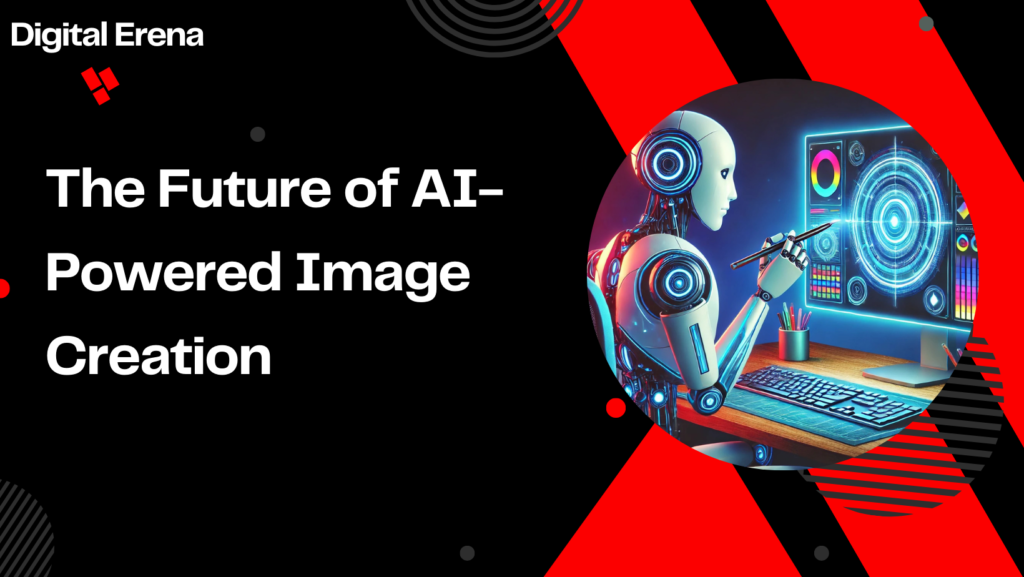
AI-Powered Image Creation

The Future of AI-Powered Image Creation

Digital marketing is just one of the areas that artificial intelligence (AI) is transforming. One of the most exciting advancements in AI technology is AI-powered image creation, which is transforming how digital brands create visual content. With the rise of AI image generation tools, businesses can now produce high-quality images in seconds, streamlining content production and enhancing creativity. In this blog post, we will explore the future of AI in image generation, its benefits, challenges, and how it is shaping the future of digital marketing. How AI-Powered Image Creation is Transforming Digital Marketing 1. The Rise of AI Art Technology AI art technology is enabling brands to create stunning visuals without the need for expensive designers or stock images. From AI image generation tools to automated image synthesis, AI-driven solutions are revolutionizing the way digital marketers design graphics. Here’s how AI is reshaping digital marketing visuals: 2. AI-Driven Creativity in Visual Design With advancements in machine learning in visual design, AI is helping marketers generate engaging content tailored to audience needs. AI tools use deep learning for the image synthesis to create unique, high-quality visuals that align with the brand aesthetics. Marketers can now leverage AI for: 3. The Role of Neural Networks in Art and Image Creation Neural networks in art play a significant role in AI-powered image generation. These networks analyze patterns and structures within images to create new, realistic visuals. Some of the most advanced AI art generators use Generative Adversarial Networks (GANs) in art, which improve image realism and detail. Key applications of neural networks in AI art include: Benefits of AI-Powered Image Creation for Businesses 1. AI in Graphic Design for Enhanced Branding AI-driven design tools allow businesses to create high-quality graphics efficiently. AI in graphic design helps companies generate stunning visuals while maintaining brand consistency. Marketers can use AI for: 2. AI-Enhanced Visual Content for Digital Marketing With the rise of AI, AI-enhanced visual content is becoming a game-changer in digital marketing. AI-generated graphics are being used for: 3. Future Trends in AI Art and Image Generation As AI continues to evolve, several future trends in AI art are expected to shape the industry. Some key developments include: Challenges and Ethical Considerations in AI Image Creation While AI-powered image creation offers numerous advantages, it also comes with challenges and ethical considerations: The Future of AI-Powered Image Creation in Digital Marketing As AI technology continues to advance, its role in digital marketing will expand. Businesses that adopt AI-powered image generation tools will gain a competitive edge in content creation. Key takeaways for marketers include: Conclusion AI-powered image creation is transforming the digital marketing landscape. From AI-driven creativity to machine learning in visual design, the future of AI in image generation is promising. Businesses that leverage AI image generation tools will benefit from enhanced branding, improved efficiency, and personalized content creation. As AI technology advances, marketers must stay informed about trends and ethical considerations to maximize the potential of AI-powered visuals. The future of AI in digital art is just beginning, and the possibilities are endless. Are you ready to embrace AI-powered image creation for your brand’s success?

The Future of AI-Powered Image Creation Read More »

NGO

Supercharge Your Non-Profit NGO’s Impact: The Power of SEO!

Introduction In today’s digital world, visibility is crucial for the success of any organization, including non-profits and NGOs. SEO for nonprofits is a powerful tool that can help organizations expand their reach, attract more donors, and increase engagement. By implementing nonprofit SEO strategies, NGOs can ensure their mission reaches the right audience. This blog post will explore how SEO for NGOs can enhance online visibility, improve fundraising efforts, and strengthen community engagement. We will also discuss digital marketing for nonprofits and the role of search engine optimization for nonprofits in driving impact. Why SEO for Nonprofits Matters Nonprofits often operate on limited budgets, making cost-effective marketing strategies essential. Search engine optimization for nonprofits helps organizations: Key Nonprofit SEO Strategies for Greater Visibility 1. Optimize Your Website for SEO A well-optimized website ensures that search engines and users can easily find and navigate your content. Here are some essential steps: 2. Leverage Local SEO for NGOs If your non-profit operates in a specific region, local SEO for NGOs is vital for attracting supporters in your area. Strategies include: 3. Content Marketing for Nonprofits: Creating Value-Driven Content Content is king in the digital space. A strong content marketing for nonprofits strategy can drive traffic, build trust, and improve engagement. Best practices include: 4. Link Building for Nonprofits: Strengthen Authority and Trust A solid link building for nonprofits strategy enhances your website’s credibility. Ways to build high-quality backlinks include: 5. Social Media SEO for NGOs: Boosting Engagement While social media is not a direct ranking factor, it plays a crucial role in driving traffic and increasing visibility. Social media SEO for NGOs can be optimized by: 6. Technical SEO for Nonprofits: Enhancing Website Performance Technical SEO for nonprofits ensures search engines can efficiently crawl and index your site. Important technical aspects include: 7. Google Grants for Nonprofits: Leveraging Free Advertising Google offers Google Grants for nonprofits, providing up to $10,000 in free advertising credit per month. NGOs can use these funds to run PPC campaigns that boost search rankings and visibility. To maximize Google Ad Grants: 8. Fundraising with SEO: Maximizing Donations SEO can directly impact donation campaigns. Fundraising with SEO strategies include: Conclusion SEO is a game-changer for non-profits looking to expand their reach, increase engagement, and drive more donations. By implementing effective SEO for nonprofits strategies, organizations can enhance their nonprofit online visibility and strengthen their digital presence. Whether it’s local SEO for NGOs, content marketing for nonprofits, or fundraising with SEO, investing in SEO will lead to long-term success and greater impact. Start optimizing today and watch your NGO thrive in the digital era!

Supercharge Your Non-Profit NGO’s Impact: The Power of SEO! Read More »

Learn How Digital Marketing Makes Event Management Shine!

Introduction Event management has evolved significantly with the rise of digital marketing. Traditional event planning strategies are no longer sufficient to attract attendees and create memorable experiences. Digital marketing in event management plays a crucial role in promoting events, reaching wider audiences, and ensuring event success. By implementing the right event marketing strategies, businesses can maximize engagement and enhance brand visibility. In this blog post, we will explore how online marketing for events helps in event promotion and branding, discuss various strategies, and highlight key digital marketing techniques to elevate event management. The Role of Digital Marketing in Event Management Digital marketing has transformed the way events are marketed and managed. Whether it is a corporate conference, product launch, or music festival, leveraging digital marketing in event management is essential. The following points highlight its impact: Effective Event Marketing Strategies 1. Social Media Marketing for Events Social media is a powerful tool for event promotion. Platforms like Facebook, Instagram, LinkedIn, and Twitter help in reaching target audiences effectively. To maximize success: 2. Email Marketing for Events Email marketing remains one of the most effective event marketing strategies. It allows personalized communication with potential attendees. Best practices include: 3. SEO for Event Promotion Search Engine Optimization (SEO) plays a vital role in ensuring an event’s online visibility. Proper optimization helps in attracting organic traffic. Key SEO techniques include: 4. Paid Advertising for Events Paid advertising can significantly boost event visibility. Some effective paid advertising strategies include: Enhancing Event Branding Through Digital Marketing 1. Influencer Marketing for Events Collaborating with influencers can amplify event branding and credibility. Best practices include: 2. Content Marketing for Events Creating valuable content helps in engaging and informing potential attendees. Effective content marketing strategies include: 3. Experiential Marketing for Better Engagement Experiential marketing focuses on creating memorable experiences for attendees. It involves: Virtual Event Promotion Strategies With the rise of virtual events, digital marketing plays a crucial role in their success. Some effective virtual event promotion techniques include: The Future of Digital Marketing in Event Management The future of event management heavily relies on digital advancements. Emerging trends include: Conclusion Digital marketing in event management is no longer optional; it is essential. By implementing event marketing strategies, businesses can effectively promote their events, engage audiences, and enhance their branding. Utilizing online marketing for events through social media, email marketing, SEO, and influencer collaborations ensures a successful event experience. By staying ahead with the latest digital marketing trends, event organizers can create unforgettable experiences while achieving their marketing goals. Start implementing these strategies today and watch your event management shine!

Learn How Digital Marketing Makes Event Management Shine! Read More »

Learn How SMM Can Drive Success to the Entertainment Industry

In the dynamic digital world of entertainment, where trends evolve in the blink of an eye, Social Media Marketing (SMM) has emerged as a game-changing strategy. By leveraging the vast reach and engagement capabilities of social media platforms, entertainment businesses can boost their visibility, foster audience loyalty, and achieve unparalleled success. This blog explores how SMM can transform the entertainment industry, integrating key insights and actionable tips to maximize your brand’s impact. The Power of Social Media Marketing in Entertainment The entertainment industry thrives on connections—between creators, performers, and audiences. Social Media Marketing (SMM) bridges these connections by: From blockbuster movie releases to live concerts, SMM ensures that every moment is amplified to the right audience. Building a New Era of Accessibility In earlier times, fans relied on traditional media for updates about their favorite entertainers. Now, with SMM, every update—from tour announcements to sneak peeks of new projects—is just a tap away. This unprecedented accessibility makes it easier than ever for entertainers to stay connected with their audience. Why Social Media Marketing is Essential for Entertainment Brands 1. Increased Brand Awareness Social media platforms like Instagram, Facebook, TikTok and X are powerful tools for building brand awareness. By consistently posting engaging content, entertainment brands can: 2. Direct Audience Engagement Engaging directly with fans fosters loyalty and builds long-term relationships. Here’s how to enhance audience engagement: 3. Faster Spread of Information When a new album drops or a movie trailer releases, the speed at which this information spreads on social media is unmatched. With trending hashtags, reposts, and shares, news can go viral within hours, creating unparalleled momentum. Key Strategies to Maximize Social Media Marketing Success in the Entertainment Industry 1. Leverage Influencer Marketing Influencers possess a special talent for establishing genuine connections with their followers. They play a key role in customer support. Collaborating with influencers can: By aligning with influencers whose audiences resonate with your content, you can ensure your campaigns reach the right people. 2. Create Platform-Specific Content Each social media platform serves a different purpose. Tailor your content accordingly: Understanding these platforms’ unique features and user demographics allows brands to deliver more impactful content. 3. Emphasize Content Creation Engaging, high-quality content is the cornerstone of SMM success. Focus on: 4. Utilize Real-Time Marketing The entertainment industry thrives on live moments. Use real-time marketing to: 5. Focus on Visual Appeal The entertainment industry is inherently visual. High-quality photos, videos, and graphics can captivate audiences and make posts more shareable. Invest in: Case Studies: Social Media Marketing Driving Success in the Entertainment Industry 1. Netflix’s Global Campaigns Netflix’s mastery of Social Media Marketing lies in ability of Netflix to: 2. Live Nation’s Event Promotions Live Nation effectively promotes concerts and events by: 3. Marvel Studios’ Digital Domination Marvel Studios is another shining example of successful Social Media Marketing. They also contain AI tools. Their campaigns often include: Best Practices for Implementing Social Media Marketing in Entertainment 1. Build a Strong Online Presence Consistency is key Make sure your brand stays consistent over all platforms.. Optimize profiles with: 2. Use Data to Drive Decisions Analytics tools can provide valuable insights. Monitor: 3. Stay Updated with Trends The entertainment industry moves fast, and so does social media. Stay ahead by: 4. Collaborate with Other Brands Cross-promotions can help entertainment brands reach new audiences and use SEO-friendly sites. Examples include: 5. Build Community Connections Fostering a sense of community among fans is crucial. Encourage fan engagement through: The Benefits of Social Media Marketing for Entertainment Brand – Improved Marketing Success: Tailored campaigns achieve better results compared to traditional advertising. – Enhanced Fan Experiences: Interactive and engaging content builds deeper connections. – Cost-Effective Advertising: Social media offers affordable alternatives to TV or print ads. – Real-Time Feedback: Instant audience reactions allow brands to adjust campaigns as needed. – Expanded Global Reach: Social media marketing connects entertainment brands with international audiences, breaking geographical barriers. Conclusion In today’s digital era, the entertainment industry’s success hinges on effective Social Media Marketing (SMM). By focusing on brand awareness, fostering audience engagement, and leveraging the unique strengths of social media platforms, entertainment brands can not only survive but thrive in a highly competitive landscape. Ready to elevate your entertainment brand? Partner with DigitalErena your trusted ally in implementing cutting-edge digital marketing strategies. Let’s create a winning Social Media Marketing plan tailored for your success.

Learn How SMM Can Drive Success to the Entertainment Industry Read More »

Expert Guidance for Your Educational Journey

Navigating through your educational journey can be overwhelming, especially when it comes to making informed decisions about studying abroad, university admissions, or planning your career with the right educational guidance in this digital marketing world. Whether you are a student eager to explore higher education opportunities or a parent guiding your child through the complexities of academic life, the need for educational guidance has never been greater. In this blog post, we’ll explore how you can benefit from professional educational guidance, including study abroad consultancy, academic success guidance, and much more. Why Expert Educational Guidance is Essential Expert educational guidance offers personalized support, helping students make informed decisions about their academic and career paths. From selecting the right course to finding the best universities abroad, the right guidance can significantly impact your academic success. Expert educational guidance can provide clarity, direction, and structured support, ensuring you make the most out of your educational opportunities. Key areas where educational guidance makes a difference: Educational Journey Support: Tailoring a Path to Success Educational journey support is all about giving students a roadmap that aligns with their goals and aspirations. This assistance may come in a number of forms, including: Each student is unique, and so is their educational path. That’s why personalized learning pathways are so important. The role of AI in Education is also very important. Whether you’re looking to study overseas or seeking career-focused education counseling, the right support can be a game changer. Study Abroad Consultancy: Unlocking Global Opportunities The world is full of educational opportunities, and many students dream of studying abroad. However, navigating through the complexities of studying in a foreign country requires expert knowledge of the admission process, visa requirements, and available scholarships. Study abroad consultancy plays a crucial role in: Having an experienced team of overseas education advisors can make all the difference. Students should also be taught about healthcare. These experts are familiar with the ins and outs of global education systems and can advise you on everything from applying to top universities to adjusting to life in a foreign country. Education Planning Assistance: Building a Strong Foundation Education planning assistance helps you create a strategic plan that encompasses not only your academic goals but also your personal and professional aspirations. This guidance involves setting achievable goals, breaking them into smaller tasks, and monitoring your progress. The benefits of education planning assistance include: Education planning assistance ensures that you stay on track toward academic and professional success, empowering you to achieve your goals with confidence. Academic Success Guidance: Staying on Top of Your Studies Achieving academic success is the ultimate goal for most students. However, it takes more than just good study habits to succeed academically. Effective academic success guidance offers valuable strategies to optimize your learning. Key aspects of academic success guidance include: Working with an academic success coach or mentor can make a significant difference in how you approach your studies. They should also be told about their earnings. These experts help students overcome challenges, stay motivated, and enhance their overall learning experience. Overseas Education Advisors: Your Trusted Support System Choosing the right overseas education advisors is crucial to ensuring a smooth and successful journey abroad. These professionals provide educational guidance for everything from selecting the right university to managing your visa application. Overseas education advisors offer the following services: With the right advisors by your side, you can rest assured that your journey toward studying abroad will be hassle-free and full of exciting opportunities. Career-Focused Education Counseling: Aligning Education with Future Goals Career-focused education counseling is designed to bridge the gap between academic studies and professional aspirations. Whether you’re looking to study engineering, medicine, business, or the arts, career-focused counseling helps you align your educational choices with the skills and qualifications required for your dream job. Career-focused education counseling offers: Effective educational guidance helps you make informed decisions that lead to academic and professional success, ensuring your education sets you up for a rewarding career. Educational Guidance: Simplifying the Student Visa Process Navigating the visa application procedure is one of the most difficult parts of studying abroad. Educational guidance services help you understand the necessary steps and requirements to obtain your visa and enter your chosen country for studies. These services include: With expert educational guidance, you can avoid common pitfalls and ensure your application is processed smoothly. Conclusion: Educational Guidance for Your Journey Embarking on your educational journey is a significant life step, and with the right educational guidance, you can make the most of the opportunities available.. From study abroad consultancy to academic success guidance and career-focused education counseling, the support of experienced professionals is invaluable.Whether you’re applying for universities, navigating the visa process, or planning your career path, educational guidance will help you stay focused, organized, and prepared for success. If you’re looking for reliable educational journey support, look no further than DigitalErena.com. Our team of dedicated professionals offers personalized services to guide you through every aspect of your educational journey, from academic planning to study abroad consultancy. With us by your side, you can be confident that your path to success is well-planned and supported. For further insights contact us at DigitalErena!

Expert Guidance for Your Educational Journey Read More »

Best Digital Marketing Tips for 2025

The Evolution of digital marketing is ever-evolving, and with each passing year, new strategies, trends, and techniques reshape the landscape. As we enter 2025, it’s crucial for businesses to stay ahead of the curve by adapting to the latest digital marketing tips and trends and marketing strategies. Whether you’re a startup or an established brand, the ability to harness the Evolution of digital marketing can significantly boost your online presence and drive sustainable growth. In this comprehensive blog post, we’ll explore the evolution of digital marketing tips for 2025 that will help you improve your strategies, enhance your marketing efforts and services, and stay competitive. We will cover essential aspects like SEO, content marketing, social media, AI in marketing, and email campaigns. Let’s dive in! Digital Marketing: Mastering the Evolution in 2025 The Mastering Evolution of digital marketing landscape continues to be shaped by advances in technology, shifts in consumer behavior, and new platforms.The Evolution of Digital marketing trends in 2025 will be largely influenced by factors like Artificial Intelligence, automation, and increasing user expectations. It’s crucial to understand these changes to develop effective digital marketing strategies that resonate with your target audience and bring measurable results. As businesses move forward into 2025, they need to embrace new online marketing tips and focus on techniques that offer tangible ROI. Below are some top digital marketing techniques that will help you lead the way. The Evolution of Digital Marketing Tips for 2025: Focus on User Experience One of the most important digital marketing trends in 2025 is the growing emphasis on user experience (UX). Google’s core web vitals and mobile-first indexing highlight the importance of providing a seamless, fast, and mobile-friendly experience for users. If your website is not optimized for mobile devices or takes too long to load, you could be missing out on valuable traffic. Best Practices for Improving User Experience in 2025: Improving the user experience will not only help with customer engagement but also contribute to higher SEO rankings. SEO and Content Marketing: The Core of Digital Marketing in 2025 When it comes to effective digital marketing strategies, SEO and content marketing are indispensable. In 2025, SEO continues to be the backbone of online visibility, but it’s no longer just about keyword density or backlinks. Now, SEO focuses on a holistic approach that combines technical SEO, content quality, and user intent. SEO and Content Marketing Best Practices: Incorporating these SEO and content marketing strategies will not only increase organic traffic but also enhance the overall effectiveness of your digital marketing campaigns. Harness the Power of Social Media Marketing in 2025 Social media continues to be a dominant force in digital marketing. With millions of active users on platforms like Facebook, Instagram, LinkedIn, and TikTok, businesses can tap into this vast audience to promote their brand, products, and services. Effective Social Media Marketing Strategies for 2025: With social media being one of the key drivers of online engagement, social media marketing strategies will remain a crucial aspect of any digital marketing plan in 2025. AI in Digital Marketing: Revolutionizing Automation Artificial Intelligence (AI) has already started transforming digital marketing, and 2025 will see even greater advancements. From AI-powered chatbots to predictive analytics and content personalization, AI in digital marketing will help businesses automate tasks, optimize campaigns, and deliver personalized experiences to users at scale. Key Applications of AI in Digital Marketing: Embracing AI in digital marketing will help you stay competitive in an increasingly crowded online space, offering enhanced customer service and data-driven insights. In recent years, influencer marketing has grown tremendously, and 2025 will be no different. As consumers continue to trust influencers over traditional advertisements, businesses need to harness this trend for authentic brand promotion. Influencer Marketing Best Practices: Influencer marketing is no longer just a trend; it’s a powerful tool for building brand awareness and trust. In 2025, it will continue to be a cornerstone of digital marketing strategies. Email marketing remains one of the most effective ways to engage with your audience and build long-term relationships. However, with increasing competition and spam filters becoming more sophisticated, creating high-quality and targeted email campaigns is crucial. Tips for Effective Email Marketing Campaigns in 2025: Email marketing, when done right, remains a powerful tool to nurture leads, drive conversions, and retain customers. As we look ahead to 2025, businesses must embrace digital marketing trends and strategies that focus on user experience, AI-powered automation, personalized content, and social media engagement. The digital marketing landscape will continue to evolve, but by staying up to date with the latest tips and techniques, you can position your business for success. Key Take aways for Digital Marketing Success in 2025: By focusing on these top digital marketing techniques, you’ll be well on your way to creating effective and sustainable marketing strategies that drive results throughout 2025. Remember, digital marketing is not just about keeping up with trends – it’s about staying ahead of them. So, implement these tips today and watch your business thrive in the digital age and join DigitalErena!

Best Digital Marketing Tips for 2025 Read More »

Social Media Marketing Tips for Health & Fitness Brands

In today’s digital landscape, social media has become an indispensable tool for businesses to connect with their audience, build brand recognition, and drive sales. For health and fitness brands, leveraging the power of social media marketing is essential to thrive in a competitive market. This blog explores actionable social media strategies tailored for health and fitness brands, ensuring maximum visibility and engagement. Proven Social Media Marketing Strategy for Health & Fitness Social Media Marketing Strategies for Health & Fitness are essential for brands looking to thrive in today’s competitive landscape. This guide explores effective techniques to engage your audience, build trust, and promote your services through platforms like Instagram, Facebook, and Twitter. Social media marketing (SMM) allows you to: For fitness brands, being active on social media is not just a trend but a necessity to stay relevant and competitive. Essential Social Media Marketing Strategies for Health & Fitness Here are some proven SMM tips to help your health and fitness brand stand out: 1. Define Your Brand Identity Before diving into content creation, define what your brand stands for. Ask yourself: Consistency in branding across all social media marketing platforms builds recognition and trust. 2. Leverage Visual Storytelling Instagram marketing for fitness thrives on visuals. High-quality images and videos showcasing workout routines, client transformations, or behind-the-scenes content can captivate your audience and they also promote other brands through product videos. Use these tips: 3. Create Valuable Content Content is king, especially in content marketing for fitness. Provide value to your audience with: High-value content not only attracts followers but also encourages shares, boosting reach organically. 4. Use Influencer Collaborations Influencers in the health and fitness niche can amplify your reach. Collaborating with micro or macro influencers allows you to: 5. Optimize for Engagement Engagement is a critical metric in social media engagement for health brands. To increase interaction: 6. Run Targeted Ads Facebook ads for fitness brands and Instagram’s paid promotions are excellent ways to reach a broader audience. Create ad campaigns that: 7. Harness the Power of User-Generated Content (UGC) Motivate your audience to tell others about their interactions with your business by: UGC fosters community and serves as social proof for potential customers and it also tells customers about the fashion and other things which attract new customers. Platform-Specific Tips for Health & Fitness Brands Different platforms require tailored approaches. Here’s how to excel on the most popular ones: Instagram Facebook TikTok YouTube Pinterest Advanced Social Media Marketing Tips 1. Analyze Performance Metrics Track your campaigns’ success by monitoring metrics like: Tools like Google Analytics and platform-specific insights can guide your strategy. 2. Focus on Community Building Engage authentically with your audience to build loyalty: 3. Stay Updated with Trends The digital marketing landscape evolves rapidly. Stay ahead by: 4. Invest in Paid Partnerships Collaborate with other health and wellness brands to cross-promote services or products. This creates win-win opportunities for: 5. Use Analytics to Refine Your Strategy Track your KPIs (Key Performance Indicators) and refine your approach. Metrics to monitor include: 6. Focus on Niche Communities Smaller, engaged communities are often more valuable than a large, inactive following. Tailor your content to niche audiences by: Benefits of Social Media Marketing for Health & Fitness Brands Investing in online marketing for health & fitness brings numerous advantages: Conclusion Social media marketing for health and fitness brands is not just about posting content; it’s about building relationships, providing value, and creating a community. By implementing these social media marketing strategies, your brand can achieve sustained growth and become a trusted authority in the fitness industry. Start today by defining your goals, understanding your audience, and crafting a consistent strategy. With the right approach, social media marketing can be a game-changer for your health and fitness business. Remember, persistence and adaptability are key.Social media marketing doesn’t happen overnight, but with effort and creativity, your health and fitness brand can thrive in the digital space. For further insights join us at DigitalErena!

Social Media Marketing Tips for Health & Fitness Brands Read More »

Social Media Marketing Tips for Automotive Companies

In the competitive automotive industry, social media marketing has become an essential tool for building brand awareness, generating leads, and engaging with potential customers. With billions of active users across platforms, automotive companies have an unparalleled opportunity to connect with their audience and drive results. Here, we delve into actionable social media marketing tips tailored for automotive companies to enhance their online presence and stay ahead in this dynamic digital landscape. Social Media Marketing Accelerates Automotive Brands Social media marketing for automotive companies goes beyond mere posting; it’s about creating meaningful connections and showcasing value. With the rise of digital media, customers increasingly rely on social media marketing  for research, reviews, and recommendations before making purchasing decisions. Key Benefits of Social Media Marketing for Automotive Industry: Strategies for Effective Social Media Marketing   1. Understand Your Audience A thorough grasp of your target audience is the cornerstone of every effective social media strategy. Automotive companies must identify: Using analytics tools such as Facebook Insights or Google Analytics can provide valuable data to refine your strategy.   2. Focus on Visual Content Cars are visually appealing, and leveraging high-quality images and videos can significantly enhance engagement.   3. Leverage Automotive Digital Marketing Strategies Automotive digital marketing strategies should combine organic and paid efforts for maximum reach. Paid Strategies: Targeted Ads: Platforms like Facebook allow you to create ads for specific demographics. Retargeting Campaigns: Reach out to users who visited your website or engaged with your posts. Sponsored Content: Collaborate with bloggers or niche pages to promote your brand.   4. Utilize Social Media marketing Trends for Automotive Brands Staying updated with the latest trends can give your automotive company a competitive edge. Live Streaming: Host Q&A sessions, showcase events, or broadcast product launches. Interactive Content: To keep your audience interested, use surveys, tests, product videos and competitions. Sustainability Messaging: Highlight eco-friendly practices or electric vehicle (EV) options. Augmented Reality (AR): Offer virtual car tours or customization tools.   5. Build Automotive Brand Awareness Campaigns To stand out, your automotive brand needs a cohesive and memorable campaign strategy. Tips for Effective Campaigns: Develop a unique hashtag to encourage audience participation. Share behind-the-scenes content to humanize your brand. Promote customer testimonials and success stories. Create campaigns around seasonal events or local holidays. Platform-Specific Tips for Automotive Companies   Facebook Facebook remains a powerful platform for automotive companies due to its vast reach and versatile ad formats. Use Facebook Marketplace to list vehicles for direct sales. Optimize posts with carousel ads showcasing multiple vehicles. Participate in local community groups to connect with potential customers. Instagram As a visually-driven platform, Instagram is ideal for showcasing the aesthetics of your vehicles. Post high-quality photos and videos with strategic hashtags. Use Instagram Stories Highlights to organize information about models, services, and offers. Work together with micro-influencers who share the same values as your brand. LinkedIn For B2B interactions and professional networking, LinkedIn is invaluable. Share industry insights and thought leadership articles. Highlight your corporate social responsibility (CSR) initiatives. Use LinkedIn Ads to target businesses for fleet sales. YouTube YouTube’s long-form video format is perfect for detailed content. Publish tutorials, reviews, and event coverage. Optimize videos with relevant keywords and tags for search visibility. Create playlists for specific vehicle categories or themes. TikTok TikTok is gaining popularity among younger audiences and offers a unique space for creativity. Share short, engaging videos featuring car tips, tricks, or trends. Participate in viral challenges or start your own. Use TikTok ads to promote offers to a younger demographic. Common Mistakes to Avoid Even the best strategies can fall short if common pitfalls aren’t avoided. Ignoring Analytics: Always measure campaign performance and adjust accordingly. Over-Promotion: Balance promotional content with engaging, informative posts. Lack of Interaction: Responding to comments and messages promptly builds trust. Neglecting Mobile Optimization: Ensure all content is mobile-friendly. Measuring Success in Social Media Marketing Set clear goals and key performance indicators (KPIs) to evaluate the effectiveness of your social media marketing efforts. Key Metrics to Track: Engagement Rates: Likes, comments, and shares. Impressions and Reach: The number of people who viewed your material. Click-Through Rate (CTR): Percentage of users who clicked on your links. Lead Conversion Rates: Number of leads generated through campaigns. Final Thoughts Social media marketing for automotive companies is a powerful tool for building connections and driving results. By incorporating marketing strategies tailored to the industry, staying on top of trends, and focusing on audience engagement, your brand can achieve sustained growth. Prioritize high-quality, visually appealing content and leverage platform-specific features to optimize your efforts. Remember, consistency, creativity, and responsiveness are key to making your automotive brand stand out online.

Social Media Marketing Tips for Automotive Companies Read More »

Travel Trends: What’s Hot in 2025?

As we move into 2025, the travel landscape is undergoing a significant transformation. The post-pandemic world has reshaped how people explore destinations, placing emphasis on sustainable travel, digital nomad destinations, and unique cultural experiences. In this blog post, we will explore the top travel trends for 2025, popular travel destinations, and how travel is evolving with new technologies and traveler preferences through digital marketplaces. Whether you’re planning a vacation or looking to stay ahead of industry trends, this guide will keep you informed on what’s hot in 2025. Travel Trends 2025: What’s Shaping the Future of Travel? The way people travel is changing rapidly. In 2025, travelers are prioritizing unique experiences, wellness journeys, eco-friendly options and marketing strategies. Here are some of the key travel trends forecast for 2025: 1. Sustainable Travel Sustainable travel continues to gain momentum. Travelers are becoming more conscious of their environmental impact and are choosing eco-friendly destinations and accommodations. From carbon-neutral hotels to green transportation options, sustainability is at the core of travel planning in 2025. Key aspects of sustainable travel include: Sustainable travel also involves choosing destinations that are less crowded to reduce the negative impact of over-tourism. Travelers in 2025 are more mindful of their actions and seek to leave a positive mark on the places they visit. 2. Digital Nomad Destinations With the rise of remote work, digital nomad destinations are becoming more popular. Countries like Portugal, Bali, and Mexico are offering special visas and incentives for remote workers. These destinations are available on online agencies and provide the perfect balance of work and leisure. Top digital nomad destinations in 2025: Digital nomads are looking for more than just reliable Wi-Fi. They seek communities of like-minded individuals, affordable living costs, and destinations that offer a high quality of life. This trend is reshaping the way countries promote their tourism. 3. Solo Travel Trends Solo travel is on the rise in 2025, with more people seeking personal growth and self-discovery. Travelers are looking for destinations that offer both safety and unique experiences. Wellness retreats, adventure tours, healthcare and cultural immersion trips are popular among solo travelers. Benefits of solo travel: Solo travel is particularly popular among women, who are seeking empowering experiences and safe environments. Destinations that cater to solo travelers with guided tours and community-based experiences are expected to see a surge in popularity. 4. Wellness Travel Wellness travel is another hot trend in 2025. People are looking to combine their vacations with opportunities to improve their mental and physical well-being. This includes yoga retreats, spa getaways, and adventure tourism that promotes overall wellness. Popular wellness destinations: Wellness travel extends beyond traditional spa treatments. Travelers are now seeking holistic experiences that include mindfulness practices, healthy cuisine, and outdoor activities that promote mental clarity and they promote their business strategies. 5. Adventure Tourism 2025 Adventure tourism is making a big comeback in 2025. Travelers are seeking adrenaline-pumping activities such as hiking, scuba diving, and wildlife safaris. Adventure tourism is also becoming more sustainable, with operators focusing on eco-friendly practices. Key adventure activities: Adventure tourism appeals to a wide range of travelers, from thrill-seekers to families looking for unique experiences. Destinations that offer guided, sustainable adventures are expected to see a significant boost in tourism. Popular Travel Destinations 2025: Where to Go Next? Travelers are seeking hot travel spots for 2025 that offer a mix of culture, adventure, and sustainability. Here are some of the popular travel destinations for 2025: 1. Japan Japan remains a top travel destination due to its rich culture, futuristic cities, and beautiful landscapes. The country is also focusing on sustainable tourism by promoting lesser-known regions. 2. Portugal Portugal has become a digital nomad hotspot. With affordable living costs, stunning landscapes, and vibrant culture, it’s an ideal destination for remote workers and tourists alike. 3. Iceland Iceland’s breathtaking natural beauty and commitment to sustainability make it a must-visit destination in 2025. The country is known for its geothermal spas, waterfalls, and stunning landscapes for travelling. 4. Costa Rica Costa Rica is a pioneer in eco-tourism and remains one of the best destinations for travelers looking to connect with nature. The country offers a range of activities from jungle tours to beach relaxation, all while promoting sustainability. 5. Georgia The country of Georgia is quickly gaining attention for its rich history, stunning mountain landscapes, and unique cuisine. It’s an off-the-beaten-path destination that offers both adventure and cultural experiences. Travel Tech Innovations in 2025 Technology is influencing how people travel in the future.AI travel tools are becoming more prevalent, making travel planning easier and more personalized. From virtual travel assistants to AI-powered trip recommendations, technology is enhancing the travel experience. Key Travel Tech Innovations: AI tools are making it easier for travelers to plan trips, find the best deals, and customize their experiences. For instance, virtual travel assistants can provide real-time updates on flight schedules, local attractions, and travel restrictions. Off-the-Beaten-Path Destinations Travelers in 2025 are increasingly seeking off-the-beaten-path destinations to avoid crowds and discover unique experiences and better ways to grow travel brands. These hidden gems provide an authentic cultural experience and a break from tourist-heavy spots. Examples of off-the-beaten-path destinations: These destinations offer travelers a chance to experience something new and different while avoiding the typical tourist traps. They are perfect for those seeking adventure, culture, and solitude. Luxury Travel Experiences in 2025 Luxury travel is evolving to focus more on experiences rather than material indulgences. Travelers are willing to pay for exclusive, personalized experiences that create lasting memories. Popular luxury travel trends: Luxury travelers are looking for unique, once-in-a-lifetime experiences that go beyond traditional five-star accommodations and recommendations are also available on online stores. Personalized services and curated experiences are becoming the new standard in luxury travel. Budget Travel Tips for 2025 Even as travel trends lean toward luxury and unique experiences, budget travel remains popular. Travelers are looking for ways to save money while still enjoying high-quality experiences. Top Budget Travel Tips: Budget travelers are also embracing

Travel Trends: What’s Hot in 2025? Read More »

2025 SEO Trends to Keep an Eye on: Essential Information

As we enter 2025, it’s clear that SEO (Search Engine Optimization) will continue to evolve. Search engines like Google constantly refine their algorithms, and businesses need to adapt to stay competitive. In this blog post, we’ll dive deep into the SEO trends to watch for in 2025. From AI advancements to voice search, these SEO trends will play a pivotal role in shaping the digital landscape. We’ll also explore SEO strategies 2025 businesses should adopt to ensure their websites rank higher and perform better.   The Evolution of SEO in 2025: Strategies for Success The Evolution of SEO in 2025 has redefined how successful businesses approach digital marketing strategies, techniques, and engagement. SEO in 2025 will be more sophisticated, requiring businesses to refine their strategies continually. Search engine optimization will focus on a comprehensive approach that includes factors like content quality, user experience, mobile-first indexing, and technical SEO. The most significant change is the shift towards AI-driven content and search algorithms. Search engines are becoming smarter at understanding context, user intent, and natural language. Google’s AI algorithm, RankBrain, already factors in user behavior, and this trend is expected to expand in 2025. By focusing on creating high-quality, AI-optimized content, businesses can stay ahead of the competition and ensure the evolution of their SEO rankings in the coming year.  Voice Search SEO: An Evolution of SEO Predictions for 2025 Voice search is rapidly becoming a prominent SEO factor, and it will be a critical component of SEO strategies 2025 and other marketing strategies. With the rise of virtual assistants like Siri, Alexa, and Google Assistant, optimizing for voice search is no longer optional—it’s essential. Businesses must make sure their content is tailored for these new user behaviors as voice search continues to expand. The Evolution of SEO Best Practices for Mobile-First Indexing in 2025 Mobile-first indexing will continue to be a major SEO ranking element in 2025. The mobile version of your website is currently the main version used for indexing and ranking due to Google’s move to mobile-first indexing. With more users accessing websites from mobile devices, Google prioritizes mobile-friendly sites in its search results. To stay on the evolution of SEO trends 2025, ensure your website is mobile-optimized by following these best practices. In 2025, mobile optimization will be more important than ever for ranking well in search engine results pages (SERPs). By focusing on E-A-T, you can improve your website’s reputation and increase your chances of ranking higher in search results. Key updates to watch for include: By staying up to date with Google algorithm updates, you can ensure your website is always optimized for the latest ranking factors. As content marketing evolves, businesses must focus on creating high-quality content that aligns with both user needs and search engine algorithms.   Conclusion: Preparing for the Evolution of SEO As we move into 2025, SEO will continue to evolve, driven by advancements in AI, machine learning, and voice search. To stay ahead of the competition, businesses must adopt the evolution of SEO strategies 2025 that focus on creating high-quality content, optimizing for voice search, improving mobile-friendliness, and staying up to date with Google algorithm updates. By focusing on SEO best practices, staying on top of the evolution of SEO trends in 2025, and adapting to future SEO developments, you can position your website for success in the ever-changing digital landscape. With the right SEO strategies in place, your website can rank higher, attract more visitors, and ultimately drive more conversions in 2025 and beyond. For more insights contact us at DigitalErena!

2025 SEO Trends to Keep an Eye on: Essential Information Read More »

Maximize SEO with Google Keyword Planner in 2025

In the ever-evolving digital marketing landscape, staying ahead of search engine optimization (SEO) trends is crucial. As we dive into 2025, one tool remains indispensable for digital marketers: Google Keyword Planner. Whether you’re refining your SEO strategy or exploring long-tail keywords for SEO, mastering this tool can help you maximize SEO efforts and dominate the search engine results pages (SERPs). This comprehensive guide will walk you through using Google Keyword Planner effectively and outline the SEO techniques for 2025 to keep you ahead of the competition. Why Google Keyword Planner is Essential for SEO in 2025 Search engines continue to prioritize relevant, high-quality content with Google Keyword Planner insights and optimization strategies effectively. To create content that resonates with your target audience, you need accurate and insightful keyword data. Here’s why Google Keyword Planner should be your go-to tool: Key Benefits: In 2025, understanding user behavior and adapting your strategy with the help of tools like Google Keyword Planner is more critical than ever. Search engines reward content that aligns closely with user intent, making precise keyword research the foundation of any successful campaign. Google Keyword Planner involves more than just entering a keyword. Here’s a step-by-step guide: Step 1: Access Google Keyword Planner Step 2: Discover New Keywords   Step 3: Analyze Keyword Metrics Key metrics to focus on include: Step 4: Build a Targeted Keyword List Step 5: Organize Keywords by Themes Tips to Maximize SEO with Google Keyword Planner Focus on Long-Tail Keywords Align Keywords with User Intent Leverage Seasonal Trends Optimize Existing Content Monitor and Adjust Advanced SEO Techniques for 2025 Embrace AI-Powered Insights Mobile-First Optimization Voice Search Optimization Video SEO Local SEO Conclusion: Your Path to SEO Success Maximize SEO with Google Keyword Planner in 2025 by adopting a strategic and data-driven approach. This powerful tool simplifies SEO keyword research and ensures your content resonates with your audience. Combine it with emerging SEO trends for 2025, and you’ll be well-positioned for sustained success. Put these tactics into practice right now, and see how your rankings rise! From keyword research tools to advanced SEO techniques, Google Keyword Planner is your trusted ally in the journey toward digital marketing excellence. Keep refining, adapting, and growing to achieve your goals. Visit DigitalErena for further insights.

Maximize SEO with Google Keyword Planner in 2025 Read More »

SEO in Education

SEO Strategies for Education Consultants & Institutions

Having a strong online presence is crucial for education consultants and institutions in the current digital era. Whether you’re guiding students to choose the best career path or managing a school, visibility on search engines like Google is a game-changer. In this blog post, we’ll explore actionable SEO strategies tailored specifically for education consultants and institutions to enhance their online visibility and attract potential students and clients. SEO not only builds credibility but also positions your brand as a thought leader in the education sector. A well-executed SEO strategy can set you apart from competitors and establish your institution as the preferred choice. Additionally, SEO efforts can create a seamless user experience that fosters trust and engagement among prospective students. What is SEO for Education Consultants? SEO for education consultants involves optimizing your website and content to achieve higher rankings in search engine results pages (SERPs). This process includes identifying and targeting relevant keywords such as “Education Consultants & Institutions,” “Digital Marketing for Educational Institutions,” “Search Engine Optimization for Schools,” and other related terms. By focusing on these keywords, you can increase online visibility, attract prospective students and parents, and stay ahead in the competitive education sector. Benefits of SEO for Education Consultants & Institutions Tips: Key Actions: Checklist: Local SEO strategies include: Strategies: Checklist: Tips: Tools: Remember, SEO is not a one-time task—it’s an ongoing effort that requires consistency and adaptability. A dedicated SEO plan can significantly improve your institution’s enrollment rates and reputation. Keep experimenting with new strategies and stay updated with the latest SEO trends to maintain a competitive edge. Emphasizing user intent in your content creation can also boost engagement and conversions, leading to measurable success. Are you prepared to advance the internet visibility of your organization?Contact us at DigitalErena for expert SEO and digital marketing services tailored to your needs

SEO Strategies for Education Consultants & Institutions Read More »

Meta Ads

Chatbot: Fueling Meta Ads Success

In the ever-evolving landscape of digital marketing, Meta Ads have emerged as a game-changer for businesses aiming to maximize their online visibility. But with competition at its peak, standing out requires more than just launching an ad campaign. Enter chatbots—the AI-driven marvels that are transforming how businesses engage with their audiences, enhance customer experiences, and drive lead generation. In this blog, we delve into how chatbots are fueling Meta Ads success and revolutionizing digital marketing. What Are Meta Ads and Why Do They Matter? Meta Ads refer to the advertising solutions provided by Meta, the parent company of platforms like Facebook, Instagram, and WhatsApp. These ads leverage Meta’s powerful targeting algorithms to reach specific audiences, ensuring higher conversion rates and better ROI. Businesses can create customized campaigns that resonate with their target demographic, but the real challenge lies in optimizing these ads to their full potential. This is where chatbots come in—offering innovative solutions to boost engagement, improve conversion rates, and provide real-time support. By integrating AI chatbots into your Meta Ads strategy, you can elevate your campaigns to new heights. AI chatbots are automated conversational tools powered by artificial intelligence. They’re designed to simulate human-like interactions and can seamlessly integrate with platforms like Facebook Messenger and Instagram DMs. Let’s explore the key ways AI chatbots enhance Meta Ads: 1. Boosting Customer Engagement The customer engagement is the cornerstone of a successful ad campaign. AI chatbots keep users engaged by providing instant responses to queries, personalized product recommendations, and even guiding them through the purchase process. Key benefits include: 2. Streamlining Lead Generation Generating high-quality leads is one of the primary goals of any Meta Ads campaign. Chatbots can collect user information through engaging conversations, qualifying leads more efficiently than traditional forms. Here’s how they excel: 3. Providing 24/7 Customer Support Modern consumers expect instant assistance, and chatbots deliver just that. Available round the clock, they ensure no query goes unanswered, enhancing customer satisfaction and trust with help of marketing agencies. Key advantages include: To harness the full potential of chatbots for your Meta Ads campaigns, follow these steps: 1. Choose the Right Chatbot Platform Selecting a chatbot platform compatible with Meta’s ecosystem is crucial. Options like ManyChat and Chatfuel offer seamless integration with Facebook Messenger and Instagram DMs. 2. Define Clear Objectives Identify the goals you want to achieve—be it increasing engagement, driving sales, or collecting leads. This will help you design a chatbot strategy aligned with your Meta Ads campaigns. 3. Create Engaging Chat Flows Design conversation flows that resonate with your audience. Use a friendly tone, keep interactions concise, and ensure the chatbot’s responses align with your brand’s voice with the help of AI-based marketing. 4. Leverage Data Insights Use chatbot analytics to monitor performance metrics like response rates, user interactions, and conversions. This data helps refine your chatbot’s functionality and improve campaign outcomes. 5. Promote Your Chatbot Encourage users to interact with your chatbot through CTA buttons on your Meta Ads, enticing copy, and visual elements. Highlight the benefits of engaging with your bot, such as exclusive offers or personalized recommendations. Businesses across industries are leveraging chatbots to supercharge their Meta Ads campaigns. Here are a few notable examples: To make the most of chatbots, keep these tips in mind: The future of chatbots in digital marketing is promising, with advancements in AI making them smarter and more intuitive. Here are some trends to watch: Chatbots are no longer a novelty—they’re a necessity for businesses looking to maximize the impact of their Meta Ads campaigns. By enhancing customer engagement, streamlining lead generation, and providing round-the-clock support, AI chatbots are fueling the success of digital marketing strategies worldwide. Whether you’re a small business owner or a seasoned marketer, integrating chatbots into your Meta Ads campaigns can yield significant results. As technology continues to evolve, staying ahead of the curve with innovative tools like chatbots will ensure your business thrives in the competitive digital landscape. Visit our website DigitalErena for further insights!  

Chatbot: Fueling Meta Ads Success Read More »

Transform Your Travel Brand: Digital Marketing Solutions for Growth

In today’s competitive travel industry, digital marketing has become a game-changer for businesses looking to grow and increase their visibility. If you are in the travel business, whether you are a small tour operator, a travel agency, or a large-scale tourism company, embracing digital marketing solutions is essential for success. At DigitalErena, we specialize in digital marketing services tailored to travel brands, helping you achieve substantial growth by reaching the right audience and converting them into loyal customers. In this blog post, we will explore how you can transform your travel brand with effective digital marketing strategies. By leveraging the power of online marketing for travel, you can boost bookings, increase engagement, and ultimately accelerate travel business growth. Digital Marketing for Travel Success Before diving into the specifics of how digital marketing can benefit your travel business, let’s first understand why it’s important. The travel industry is constantly evolving, and travelers are now turning to the internet for most of their research and bookings. From researching destinations to booking flights, hotels, and tours, the online travel market is growing rapidly. Here are some reasons why digital marketing is a game-changer for your travel brand: Search Engine Optimization (SEO) for Travel Businesses One of the most important strategies for travel business growth is SEO. By optimizing your website for search engines, you can increase organic traffic and attract more potential travelers. SEO for travel involves a combination of strategies aimed at improving your site’s ranking in search engine results pages (SERPs). Key SEO strategies for your travel brand: Social media is a powerful tool for promoting your travel brand. With billions of users across platforms like Facebook, Instagram, Twitter, and Pinterest, social media provides an excellent opportunity for travel agency marketing. Posting stunning travel photos, customer testimonials, and behind-the-scenes videos can help engage your audience and build trust in your brand. Tips for successful social media marketing: Another effective strategy for online marketing for travel is PPC advertising. Platforms like Google Ads and Facebook Ads allow you to target specific customer groups with highly targeted ads. By bidding on specific travel-related keywords, you can ensure your ads are shown to users who are most likely to book a trip. Benefits of PPC for travel business growth: Email marketing is an excellent way to keep your audience engaged and convert leads into customers. By offering personalized travel packages, exclusive discounts, or updates on new destinations, you can encourage potential travelers to book with your agency. Best practices for email marketing: Content marketing plays a vital role in educating potential customers about your travel services, answering their questions, and establishing your brand as an authority in the travel industry. Content marketing strategies: Conclusion Digital marketing is essential for transforming your travel brand and driving growth in today’s competitive industry. By leveraging strategies like SEO, social media, PPC, and email marketing, you can increase visibility, engage the right audience, and boost bookings. These tools work together to deliver measurable results and help you stay ahead in the digital landscape. At DigitalErena, we specialize in creating tailored digital marketing solutions for travel businesses. With the right strategy, you can elevate your brand, build customer loyalty, and achieve long-term success in the ever-evolving travel market. Let’s help you take your travel business to the next level.

Transform Your Travel Brand: Digital Marketing Solutions for Growth Read More »

Fashion

Makeup & Fashion Trends : Creating 1 Perfect Blend!

In today’s dynamic world, the combination of makeup and fashion plays a crucial role in shaping one’s overall style and self-expression. Whether you are preparing for a special occasion, attending a fashion show, or simply looking to elevate your daily look, the fusion of these two is the perfect way to enhance your style. By embracing the latest makeup trends, discovering chic makeup ideas, and integrating fashion-forward styles, you can create an effortlessly stylish appearance. With the support of digital solutions, you can access a wealth of beauty tips and advice at your fingertips. This post delves into the exciting world of beauty and fashion, offering valuable insights on how to master the art of blending makeup with fashion to create stunning and fashionable looks. Makeup and Fashion Makeup and fashion have always been intertwined, complementing each other in countless ways. The relationship between them is undeniably significant, especially when it comes to making a statement through marketing strategies. Both allow individuals to express their creativity, personality, and individuality. When we talk about these two, we’re referring to the seamless integration of makeup styles with the clothing and accessories you choose to wear. The right makeup can make or break your outfit, while the right fashion pieces can enhance your makeup. Together, they create an overall cohesive look, which is key to mastering personal style. Understanding Beauty and Fashion: A Journey Through Trends These are ever-evolving industries, and keeping up with the latest trends can sometimes be overwhelming. However, knowing the key trends of the moment can help you stay ahead of the curve and ensure you always look your best Fashion and Beauty Trends to Follow Fashion and Makeup Trends You Can’t Miss Incorporating these trends into your everyday look can be easy when you know what’s hot right now. Here are a few trends to consider: Makeup Styles to Match Every Fashionable Look When it comes to makeup styles, there is no one-size-fits-all approach. Depending on your mood, occasion, or the statement you wish to make, there are various makeup styles that work perfectly with different outfits. Here are some makeup styles that pair well with trendy, glowing looks: Chic Makeup for a Classic Look: If you’re going for a timeless, elegant style, classic makeup is a perfect choice. Think of a bold red lip paired with winged eyeliner or a soft nude lip and neutral eye makeup. This makeup style complements a variety of outfits, from formal attire to casual chic. These fashion styles can also be styled during travelling & tours. Products to try: Natural Makeup for a Fresh, Daytime Look: If your outfit is more relaxed and you’re aiming for a natural, no-makeup makeup look, opt for subtle makeup styles. Light foundation, a touch of mascara, and a nude lip can provide you with a flawless and fresh-faced appearance. Products to try: Bold Makeup for Evening Fashion: For a night out or special event, bolder makeup can elevate your look. A smoky eye or dramatic eyeliner can complement a daring outfit. Add a statement lip color like deep plum or bright fuchsia to complete the ensemble. Products to try: . Smoky eyeshadow palette . Bold lipsticks (red, plum, or berry) . Glitter or shimmer for added drama Fashion and Beauty Tips: How to Elevate Your Personal Style When you think about fashion and beauty, there are several key tips that can help elevate your overall look and today AI is playing an essential role its business development. Whether you’re looking for makeup essentials or styling tips to complement your outfits, these practical pointers can ensure you’re always ahead of the curve. Makeup Essentials You Should Never Skip Styling Tips for Fashionable Looks Fashionable looks don’t just stop with the makeup; how you dress plays an essential role in creating a stunning appearance and its fashion trends.Here are some stylistic pointers to remember: The Perfect Fusion of Makeup and Fashion for Every Occasion When it comes to achieving a flawless look, integrating both of these is key. The right makeup styles can elevate your outfit, while the perfect wardrobe can enhance your makeup. No matter the occasion, whether it’s a casual day out or a formal event, this powerful blend can make you feel confident and stylish. By keeping up with the latest trends, experimenting with makeup styles, and incorporating chic choices, you can create a look that is truly your own through social media strategies. Whether you’re aiming for a classic, natural, or bold style, the blend of these two is your ultimate tool for achieving any look you desire. Conclusion In conclusion, the combination of makeup and fashion is key to creating a complete and polished look. By embracing the right beauty tips, makeup styles, and fashion trends, you can effortlessly elevate your style and stay ahead in the fashion game. Whether your preference leans towards timeless elegance, edgy chic, or the latest trends, mastering the art of blending makeup with fashion allows you to express your personality with confidence and creativity.

Makeup & Fashion Trends : Creating 1 Perfect Blend! Read More »

DoFollow vs NoFollow

Master SEO with DoFollow & NoFollow Links : 10 Tactics

In the ever-evolving world of digital marketing, understanding and effectively utilizing DoFollow links and NoFollow links can significantly enhance your SEO tactics and elevate your online presence. By mastering the balance between these two types of backlinks, you can refine your link-building strategies, improve your website’s authority, and drive organic traffic. This comprehensive guide will walk you through 10 powerful tactics to leverage these links for maximum SEO link optimization. What Are DoFollow and NoFollow Links? Before diving into tactics, let’s clarify the difference between DoFollow links and NoFollow links: DoFollow Links NoFollow Links Both types of links are essential for a balanced SEO optimization strategy of links. Why Are Backlinks Important for SEO? Backlinks, whether DoFollow or NoFollow, play a critical role in determining your website’s credibility and ranking. Here are a few backlink best practices to keep in mind: 10 Tactics to Master SEO with DoFollow & NoFollow Links 1. Analyze Your Existing Backlink Profile To optimize your SEO performance, it is crucial to start by thoroughly analyzing your existing backlink profile. Here’s how to approach this step: Regular audits will help you maintain a healthy balance of backlinks and identify new opportunities for growth. 2. Create High-Quality, Shareable Content Producing valuable, engaging content is a cornerstone of successful SEO and backlink building. High-quality content naturally attracts backlinks, including coveted DoFollow links. Here’s how to create shareable content: Pro Tip: Add an embedded link-sharing button to your content, encouraging others to link to it easily. High-quality content combined with strategic promotion is key to earning high-quality backlinks and enhancing your link-building strategies. 3. Guest Blogging on Authoritative Websites Guest blogging is a powerful strategy for gaining high-quality backlinks either DoFollow or NoFollow while expanding your reach to new audiences. It is also important for social media marketing. By contributing content to reputable websites within your industry, you can build authority and establish credibility. Here’s how to make the most of guest blogging: Pro Tip: After publishing your guest post, share it across your social media channels to amplify its reach and increase the chances of gaining more backlinks. Guest blogging helps you leverage the authority of established websites to improve your SEO and expand your network. 4. Leverage NoFollow Links Strategically While DoFollow links are often the primary focus in link-building strategies, NoFollow links still play a valuable role in driving traffic and boosting SEO. Here’s how to leverage NoFollow links to your advantage: Pro Tip: Don’t overlook NoFollow links—use them as part of a balanced strategy to diversify your link profile, attract referral traffic, and build genuine connections within your industry. 5. Build Relationships with Influencers Collaborating with influencers is an effective way to enhance your backlink profile and increase your brand’s reach. By building genuine relationships with influencers, you can secure high-quality backlinks and amplify your content. Here’s how to do it: Pro Tip: Focus on building ongoing partnerships with influencers instead of one-off collaborations. Long-term relationships can lead to multiple backlinks and sustained brand growth. 6. Optimize Anchor Text Optimizing anchor text is a crucial aspect of link-building and SEO. The right anchor text can improve both the relevance of your backlinks and your website’s ranking on search engines. Here’s how to optimize anchor text effectively: Pro Tip: Regularly audit your anchor text strategy to maintain a healthy link profile and avoid overuse of any specific keyword. A diverse, well-optimized anchor text strategy contributes significantly to your website’s SEO performance. 7. Repurpose Content Across Channels Repurposing content across multiple channels is a smart way to extend the lifespan of your content while reaching a broader audience and AI chatbot can be used for this purpose. By adapting your existing content to different formats, you can attract more backlinks and increase engagement. Here’s how to do it effectively: Pro Tip: Repurposing content across various channels not only extends its reach but also increases the chances of getting backlinks from different audiences. Focus on creating content that’s adaptable and can be tailored to suit different formats. 8. Participate in Online Communities Engaging with online communities is a powerful way to build relationships, share your expertise, and earn backlinks. By actively participating in forums, groups, and discussions, you can establish your authority and direct traffic to your site. Here’s how to get involved effectively: Pro Tip: Build relationships within these communities before dropping links. The more you contribute genuinely, the more likely community members will click on and share your content, earning you valuable backlinks. 9. Conduct Broken Link Building Broken link building is a highly effective strategy for acquiring backlinks by identifying broken links on authoritative websites like WordPress and offering your own content as a replacement. This approach helps both you and the website owner by improving the user experience and enhancing their site’s SEO. Here’s how to implement broken link building: Pro Tip: Broken link building works best when you target high-authority sites and offer genuinely valuable content as a replacement. This strategy helps you earn quality backlinks while providing a helpful service to site owners. 10. Monitor Competitors’ Backlinks Tracking your competitors’ backlinks is an essential strategy for uncovering new link-building opportunities and understanding what’s working in your industry. By analyzing where your competitors are getting their backlinks, you can identify gaps and replicate successful tactics. Here’s how to monitor and leverage competitors’ backlinks effectively: Pro Tip: Monitoring your competitors’ backlinks allows you to stay ahead of the curve and capitalize on new link-building opportunities. Use this strategy to strengthen your own SEO efforts and build relationships with high-authority sites. Balancing DoFollow and NoFollow Links A healthy backlink profile includes both DoFollow and NoFollow links. Aim for: Key Takeaways: The Role of Internal Links in SEO Don’t overlook the power of internal links for SEO ranking improvement. Proper internal linking: Tools to Simplify Link-Building Strategies Here are some tools to enhance your link-building strategies: FAQs Conclusion Mastering DoFollow links and NoFollow links is an essential skill for anyone looking to improve their website’s

Master SEO with DoFollow & NoFollow Links : 10 Tactics Read More »

How Google’s Removal of Analytics Metrics Impacts Your SEO Strategy

Google’s decision to remove certain analytics metrics has raised concerns among SEO professionals. These changes affect how businesses measure their SEO performance and adjust their strategies accordingly. With several key metrics being removed or restricted, digital marketers are now facing the challenge of adapting to a new data landscape. Here, we will explore how this shift influences SEO strategies, and how you can adjust to keep your SEO efforts effective. Understanding Google’s Analytics Metrics Removal Google has always been a leading provider of analytics data, offering key analytics metrics to track everything from page views to bounce rates and leading digital marketing. However, recent updates have resulted in the removal or alteration of several important metrics that have been fundamental in assessing a website’s performance. The removal of these analytics metrics can significantly affect how businesses measure user engagement, conversion rates, and the overall success of their marketing strategies and SEO strategies. Now that these metrics are being removed, SEO professionals must find new ways to measure user engagement. The focus shifts from granular data tracking to broader performance indicators, such as organic traffic, search rankings, and other engagement signals leading to business’s bright future. Google is encouraging a more holistic approach, focusing on larger trends rather than minute details. Key Analytics Metrics Affected With Google removing certain analytics metrics, it’s important to understand which key metrics are impacted and how this affects your SEO strategy and social media marketing. Page views, bounce rates, session durations, and other such data points have long been relied upon to track the effectiveness of a website. These metrics gave businesses insight into which pages were performing well, where users were engaging the most, and which content was driving traffic. Page views were used to measure how many times a specific page was viewed by visitors. This allowed businesses to determine which content was most popular and how often it was being accessed. With this metric no longer available, businesses must look to other data sources, such as impressions and click-through rates, to gauge how well their content is performing. Bounce rate is a key metric that tracks the percentage of visitors who leave the site after viewing only one page. A high bounce rate could indicate that users aren’t finding what they’re looking for or that the page experience needs improvement. Without bounce rate data, SEO professionals will need to rely more heavily on engagement metrics such as time on site and conversion rates to understand user behavior. Session duration tells you how long a user stays on your site. Longer sessions typically indicate higher user engagement, while shorter sessions can point to issues with content or user experience. Without this data, marketers must use other engagement signals like scroll depth or interaction rates to understand how long users are actively engaged with content. As Google continues to phase out these analytics metrics, it becomes necessary to reassess the value of the remaining data and adopt alternative methods to gauge SEO performance. Impact on User Behavior Tracking The removal of key analytics metrics significantly impacts the ability to track and analyze user behavior on websites. Historically, these metrics have provided deep insights into how users interact with the site, how long they stay, and where they go next. For SEO professionals, this data was invaluable in identifying user engagement patterns, pain points, and opportunities for improvement. Time on page was one of the core metrics used to gauge how engaging a particular page was. With the removal of this metric, SEO professionals must look for alternative ways to determine if content is resonating with visitors. One possible solution is to track user interactions such as clicks, scroll depth, and engagement with specific elements like buttons or forms. The exit page analytics metrics is another key data point that indicated which pages users were on when they left the website. Understanding which pages had high exit rates helped SEO professionals identify areas that might need improvement. Without this metric, businesses must rely more on conversion goals and user flow to identify potential exit points or weak areas within the website. While the loss of these user behavior metrics creates challenges, it also pushes businesses to rethink their approach to measuring engagement. Instead of focusing solely on individual metrics, the focus will shift toward analyzing broader user flows, understanding organic traffic patterns, and using alternative data sources for a more holistic view of user behavior. Changes in Conversion Rate Monitoring Conversion rates are one of the most important aspects of any SEO strategy. They measure how many users take a desired action on a website, such as making a purchase or filling out a form. Analytics metrics like goal completions and conversion tracking have long been key in understanding the effectiveness of SEO campaigns. With the removal of some of these analytics metrics, businesses may struggle to effectively measure conversion rates. Goals are defined actions that a user can take on a site, such as downloading an ebook or completing a purchase. Analytics platforms traditionally tracked these goal completions to show how well a site was converting visitors into customers or leads. Without access to these detailed tracking metrics, SEO professionals must look to other forms of conversion tracking, such as setting up custom goals in Google Search Console or using third-party tools that can track and analyze conversions more accurately. Many businesses rely on lead generation forms to convert site visitors into prospects. With the removal of traditional conversion metrics, understanding the success of lead generation campaigns becomes more complex. Tracking email sign-ups, form submissions, and other lead generation tactics will now require alternative methods, such as analyzing user behavior in relation to content engagement and integrating conversion tracking across multiple platforms. Although tracking conversions may become more challenging, there are still ways to measure success. Focusing on customer journeys, optimizing user experience, and relying on tools like Google Tag Manager can help bridge the gap left by missing analytics metrics. Adjusting SEO

How Google’s Removal of Analytics Metrics Impacts Your SEO Strategy Read More »

Alibaba vs Amazon: Business Model and Strategy of Profit

Alibaba Group has a distinctive business-to-business (B2B) approach, operating on a platform-based business model that functions as a wholesale marketplace. Unlike Amazon, Alibaba doesn’t sell products directly but acts as a bridge between buyers and sellers. Its platforms, such as Alibaba.com and Taobao, enable global suppliers and businesses to connect with a massive audience, primarily in Asia.   Amazon’s Direct-to-Consumer Model Amazon’s business model is a hybrid of e-commerce platform and direct sales. Unlike Alibaba, Amazon sells its own products alongside third-party sellers on its platform. Revenue Streams: How Do They Make Money?   Alibaba’s Diverse Revenue Streams Alibaba Group’s revenue comes from:   Amazon’s Multi-Faceted Revenue Model Amazon’s Multi-Faceted Revenue Model encompasses diverse income streams, including e-commerce sales, cloud computing services via AWS, subscription fees like Prime, and advertising. Amazon’s revenue streams include: The Role of Logistics in Success   Ali baba Asset-Light Model Ali baba takes an asset-light approach, relying on a network of third-party logistics providers to manage deliveries. This minimizes overhead costs and allows scalability without investing heavily in infrastructure.   Amazon’s Logistics Dominance Amazon, on the other hand, has heavily invested in its own logistics network, including warehouses, delivery fleets, and even drones. E-Commerce Platforms: User Experience and Reach   Ali baba E-commerce Platform for Businesses Ali baba platforms, such as Baobab and T mall, are designed for different target audiences. Baobab focuses on consumer-to-consumer (C2C) interactions, while T mall caters to premium B2C businesses.   Amazon’s Customer-Concentric E-commerce Platform Amazon’s customer-centric e-commerce platform focuses on delivering exceptional user experiences through personalized recommendations, seamless transactions, and efficient delivery services. Its emphasis on client satisfaction encourages repeat business and loyalty. Cloud Computing: A Key Differentiate   Ali baba Cloud: Asia’s Cloud Leader Ali baba Cloud provides infrastructure for e-commerce businesses and beyond. Its focus on the Asian market has made it a leader in the region.   Amazon Web Services: Global Cloud Powerhouse AWS is a significant contributor to Amazon’s profitability, offering a range of services from storage to machine learning. Challenges and Opportunities Challenges for Ali baba Alibaba navigates a complex landscape shaped by regulatory pressures, intense competition, and shifting market dynamics. Challenges for Amazon Opportunities for Both Giants Comparing Profit Plans Aspect Ali baba Amazon Revenue Model Commissions, ads, cloud services Product sales, AWS, subscriptions Logistics Asset-light In-house infrastructure E-commerce Focus B2B and C2C B2C and direct-to-consumer Cloud Computing Ali baba Cloud AWS   Conclusion The battle between Ali baba and Amazon showcases two distinct approaches to dominating the e-commerce industry. Ali baba thrives as a wholesale marketplace with an asset-light model, focusing on connecting global suppliers and businesses. Amazon, on the other hand, combines direct sales, a customer-concentric e-commerce platform, and logistics infrastructure to deliver unmatched convenience. Both companies continue to innovate in cloud computing, logistics, and their respective e-commerce platforms, shaping the future of global trade. Understanding their business models offers valuable insights into the dynamics of the digital marketplace and the strategies driving the world’s biggest e-commerce giants. By analyzing these models, businesses can glean inspiration and identify growth opportunities in today’s ever-evolving digital economy.

Alibaba vs Amazon: Business Model and Strategy of Profit Read More »

Shopify & Amazon VAs: Boost E-Commerce Growth in 2024

In 2024, the e-commerce landscape is more competitive and dynamic than ever, and VAs (Virtual Assistants) are playing a crucial role. With new technologies, changing consumer behaviors, and evolving market demands, businesses need to stay ahead to thrive. Shopify and Amazon remain two of the top platforms for online retail in e-commerce market, but managing them efficiently requires expertise and dedication. VAs help businesses scale operations, enhance productivity, and focus on strategic growth. In this blog, we’ll explore how Shopify and Amazon VAs are essential for boosting your e-commerce business in 2024. Why You Need a Shopify Store Management Expert? Running a successful Shopify store in 2024 goes beyond just listing products and setting prices. Today, it’s about optimizing every aspect of the store to keep up with consumer expectations by Shopify experts. As the e-commerce market becomes increasingly saturated, ensuring a smooth customer experience is crucial. A dedicated Shopify VA can assist with: By delegating these tasks to a VA, you can focus on scaling your business while ensuring smooth daily operations. Shopify Support Services: The Backbone of E-Commerce Success in 2024 With the introduction of new features and integrations in 2024, maintaining a Shopify store requires expert-level knowledge with support services. Shopify VAs are essential in managing these updates and troubleshooting any issues that arise. Key support services include: These services help ensure your Shopify store stays efficient and competitive in 2024’s fast-changing e-commerce environment. The Role of an E-Commerce Virtual Assistant in Business Growth 2024 is all about efficiency and scaling smartly. An e-commerce VA can provide significant support in various areas of business growth, offering both tactical and strategic advantages: In 2024, leveraging a skilled VA is essential for any business looking to grow without stretching internal resources too thin. Shopify Administrative Support: Behind-the-Scenes Success in 2024 While managing products and sales is essential, Shopify store success in 2024 also requires strong administrative support. As new tools and marketing strategies emerge, VAs are critical for ensuring these elements are implemented effectively. Some key tasks include: By outsourcing these administrative duties to a dedicated VA, your business can stay focused on strategic initiatives and growth opportunities. Amazon Virtual Assistants: Expanding Your Reach in 2024 With millions of products on Amazon, standing out requires precision and attention to detail. Amazon VAs can play a crucial role in optimizing your listings with remote talent and ensuring your store’s growth in 2024. Key services provided by Amazon VAs include: With a skilled Amazon VA, you can maximize your store’s potential and drive higher sales on Amazon. How Shopify & Amazon VAs Contribute to E-Commerce Growth In 2024, e-commerce growth is not just about selling more products; it’s about optimizing operations and scaling effectively. Shopify and Amazon VAs provide critical support in the following areas: These benefits contribute to sustainable long-term growth and success in 2024. Boost Your E-Commerce Success Today with Shopify & Amazon VAs As the e-commerce world evolves in 2024, the need for effective tools and support has never been greater. Shopify and Amazon VAs bring the expertise and flexibility to streamline your operations, optimize your listings, and scale your business. Whether it’s administrative support, customer service, or product optimization, VAs are essential for driving growth. By outsourcing time-consuming tasks, you free up valuable time to focus on strategic decisions that propel your business forward. Key benefits of working with Shopify and Amazon VAs include: With the right VA spport, you can unlock the full potential of your e-commerce business and achieve long-term success. FAQs Conclusion In 2024, the e-commerce landscape is evolving rapidly, and businesses need to stay agile and efficient to thrive. Shopify and Amazon VAs offer the perfect solution, providing expert support that helps streamline operations, boost productivity, and drive growth. By leveraging the skills of these virtual assistants, you can focus on scaling your business and enhancing customer experiences. Whether you’re managing a Shopify store or expanding on Amazon, a skilled VA can become a valuable asset in your journey toward e-commerce success. Embrace the power of VAs and unlock the full potential of your online business—there’s no limit to what you can achieve with the right support.

Shopify & Amazon VAs: Boost E-Commerce Growth in 2024 Read More »

Alibaba vs eBay: Which 1 is Better in E-Commerce Growth

Alibaba vs eBay has become a popular comparison in the world of e-commerce, which has witnessed massive growth over the past few years, driven by advancements in technology and changing consumer preferences. These two powerful online marketplaces have shaped how people buy and sell goods online. But which platform stands out in terms of e-commerce growth? While both companies have enjoyed immense success, their business models, target audiences, and strategies are vastly different. Here, we will take an in-depth look at Alibaba vs eBay, comparing key aspects such as their revenue models, global reach, technological innovations, and the future potential of these two platforms. By the end of this article, you’ll have a clear understanding of which platform is the better choice for both business owners and consumers when it comes to e-commerce growth. Why Choose Alibaba or eBay? Before diving into the detailed comparisons, it’s important to understand the different factors that influence a company’s choice between Alibaba and eBay for e-commerce growth. Both platforms offer unique advantages, depending on the type of business, market, and geographical presence. Now, let’s delve deeper into the detailed differences between them in the world of e-commerce. 1. Business Model Alibaba eBay 2. Revenue Streams Alibaba eBay 3. Global Presence Alibaba eBay 4. Target Audience Alibaba eBay 5. Technology and Innovation Alibaba eBay 6. Logistics and Shipping Alibaba Alibaba has an advanced logistics system, offering faster and more reliable shipping. eBay eBay, on the other hand, relies heavily on third-party logistics providers. 7. Payment Systems Alibaba Alibaba operates its own payment system, Alipay, which has become an integral part of its ecosystem. eBay eBay, in comparison, uses PayPal for most transactions but is transitioning to its own payment system. 8. Marketing Strategies Alibaba Alibaba has a multifaceted approach to marketing. eBay eBay also invests in marketing, but its strategies are more traditional and focused on its unique offerings. 9. Marketplace Competition Alibaba Alibaba faces competition from both global players and local competitors. eBay eBay, while still dominant, faces its own set of challenges. 10. Future Potential Alibaba Alibaba’s future looks promising due to its focus on technology and international expansion. eBay eBay’s future is more uncertain but still holds potential. FAQs 1. What is the primary difference between Alibaba and eBay?Alibaba focuses on bulk transactions (B2B and B2C), while eBay emphasizes C2C transactions with individual buyers and sellers. 2. Which platform is better for small businesses?eBay is better for small businesses selling unique or niche products, while Alibaba suits businesses sourcing in bulk or targeting global markets. 3. Does Alibaba or eBay offer faster shipping?Alibaba offers faster shipping through its Cainiao logistics network, while eBay relies on third-party providers, making delivery times vary. 4. Can individuals sell on Alibaba?Alibaba caters primarily to businesses, but platforms like AliExpress allow individual sellers to reach consumers. 5. Which platform has a stronger presence in emerging markets?Alibaba dominates emerging markets, especially in Asia, while eBay has a stronger foothold in North America and Europe. Conclusion Alibaba and eBay are both leaders in e-commerce, but they cater to different needs. Alibaba focuses on B2B and B2C transactions, providing businesses with global reach and efficient logistics. Meanwhile, eBay excels in C2C sales, offering a platform for unique, used, and collectible items. The choice between the two depends on your goals. For bulk sourcing and global expansion, Alibaba is ideal. For selling niche or individual items, eBay is the better option. Both platforms drive e-commerce growth in their unique ways.

Alibaba vs eBay: Which 1 is Better in E-Commerce Growth Read More »

11 Must-Know GA4 Insights to Boost Your Analytics

Digital marketers seeking to understand user behavior and website performance have long relied on Google Analytics. With Google Analytics 4 (GA4), a new realm of opportunities emerges for businesses to optimize strategies. This post explores 11 must-know GA4 insights to enhance website analytics and make informed, data-driven decisions. Whether your focus is on user behavior tracking, conversion rate optimization, or improving marketing analytics, these tips equip you to stay ahead. What Makes GA4 Different? Google Analytics 4 isn’t just an update—it’s a transformation. Unlike Universal Analytics, it is built for modern web analytics strategies. It uses event-based tracking rather than session-based tracking, offering a more detailed view of user behavior. This shift enables businesses to understand customer journeys across devices, platforms, and touchpoints, supporting audience segmentation and better personalization. 1. Understand the Power of Event-Based Tracking GA4’s event-driven model is its cornerstone. Rather than emphasizing sessions, it tracks interactions like page views, clicks, downloads, and video plays. Why It Matters:   Provides a detailed understanding of website performance metrics. Enables precise user behavior tracking and event-based tracking without relying on cookies. Helps identify critical events supporting conversion rate optimization. Pro Tip: Customize events to align with business goals, such as form submissions or product views. 2. Leverage Predictive Analytics for Data-Driven Decisions Its predictive analytics feature employs AI to forecast metrics like purchase probability and revenue predictions. How to Use It:   Identify high-value customers for targeted campaigns of data-driven decisions. Optimize marketing analytics by focusing on high ROI segments. Plan inventory or services based on predicted trends. 3. Use Funnel Exploration for Better Conversion Insights A powerful GA4 tool that visualizes user steps before converting is funnel exploration. Why This Is Crucial:   Identifies drop-off points in the customer journey. Highlights opportunities for conversion rate optimization. Enhances the user experience by optimizing web analytics tactics. 4. Optimize Audience Segmentation with Machine Learning GA4’s advanced audience segmentation builds detailed user profiles based on demographics, behavior, and interests with machine learning. Key Benefits:   Personalize campaigns for specific user groups. Boost retention by targeting loyal customers. Improve website performance metrics by catering to diverse audience needs. 5. Track Cross-Platform User Behavior Seamlessly It enables seamless user tracking across websites, mobile apps, and other platforms for a unified customer journey view. Why You Should Care:   Avoid data silos by consolidating all user interactions. Build cohesive marketing analytics strategies. Gain insights into cross-device interactions for better decision-making. 6. Unlock Insights with User Explorer Reports The User Explorer tool provides detailed views of individual user journeys, highlighting every interaction with your site or app. Use Cases:   Analyze high-value users for audience segmentation by user explorer report. Pinpoint customer journey pain points. Develop tailored solutions for common user challenges. 7. Enhance Data Visualization with Exploration Reports GA4’s Exploration feature offers custom report creation through drag-and-drop tools. Advantages:   Focus on KPIs most relevant to your business with GA4’s exploration report. Present data visually for stakeholders. Quickly extract actionable insights to boost website performance metrics. 8. Prioritize Privacy with GA4’s Built-In Compliance Features It ensures compliance with privacy regulations like GDPR while maintaining robust user behavior tracking. Key Privacy Features:   No reliance on third-party cookies. IP anonymization by default. Strong consent management integrations. 9. Make Real-Time Data Work for You Immediate responses to user behavior are allowed by GA4’s real-time tracking. Applications:   Monitor live campaigns for quick adjustments. Detect traffic surges or issues instantly. Uncover momentary trends for smarter decisions. 10. Measure Engagement with Enhanced Metrics GA4 focuses on engagement metrics for clearer insights into user activity. Metrics to Watch:   Engagement Rate Average Engagement Time Events per Session These metrics enhance web analytics strategies and conversion rate optimization efforts. 11. Align Marketing Analytics with Business Goals GA4 integrates seamlessly with Google Ads and other tools, aligning marketing analytics with overall objectives. Steps to Take:   Refine ad targeting with detailed data. Assess campaign performance with granular insights. Test strategies and adjust based on outcomes. Tips for Implementing GA4 Insights Effectively   Set Clear Goals: Define success metrics and align GA4 tracking. Invest in Training: Equip your team with the skills to utilize GA4. Continuously Review Data: Regularly refine strategies using the latest insights. Utilize Automation: Leverage machine learning for smarter decisions. Conclusion Mastering GA4 insights is vital for businesses aiming to thrive in today’s data-driven landscape. By leveraging GA4, you can uncover deeper user insights, enhance website performance metrics, and make smarter, data-driven decisions. From tracking user behavior to optimizing conversions, GA4 provides tools to create winning web analytics strategies. Start exploring GA4’s capabilities today to maximize your digital marketing efforts. For more resources and expert support, visit Digitalerena.com!

11 Must-Know GA4 Insights to Boost Your Analytics Read More »

11 AI Chat Prompts to Elevate Your Google Ads Now !

AI Chat Prompts, the command templates, are one of the most effective tools for optimizing your Google Ads campaigns. By leveraging AI, you can enhance ad performance, improve targeting, and increase conversions. These prompts allow you to interact with AI tools in a way that helps generate actionable insights, enabling you to make smarter decisions and refine your strategy. Using the right AI chat prompts can significantly improve the efficiency of your Google Ads management, ensuring that your campaigns are optimized for maximum performance. Here, we’ll cover 11 AI chat prompts that can help you take your Google Ads campaigns to the next level. Whether you’re looking to improve your ad targeting, boost your conversion rates, or create better ad copy, these prompts are a great way to get AI to work for you. What Are AI Chat Prompts? AI chat prompts are tailored queries that allow you to interact with artificial intelligence systems to gain insights, make informed decisions, and optimize processes. By using these AI chat prompts, businesses can quickly access data-driven recommendations that help improve their Google Ads campaigns. Whether it’s refining ad copy or adjusting bidding strategies, AI chat prompts streamline the optimization process, saving time and enhancing results. In the context of Google Ads, AI chat prompts enable you to automate tasks that would typically take hours to perform manually. From targeting right audience to identifying the most effective keywords, these AI chat prompts ensure that your ad campaigns are always performing at their best. 1. “What are the best-performing keywords for my Google Ads campaigns in [industry]?” One of the most crucial components of Google Ads is selecting the right keywords. By using this prompt, you can leverage AI to help identify high-performing keywords relevant to your industry or niche. This will ensure that your ads are shown to the most relevant audience, improving the chances of conversion. 2. “Can you recommend a bidding strategy that will maximize my Google Ads ROI?” Maximizing your return on investment (ROI) is the goal of every ad campaign. With this prompt, AI can provide insights into the most effective bidding strategies based on your goals, whether it’s maximizing clicks, conversions, or impressions. 3. “How can I improve my ad copy for higher click-through rates (CTR)?” The quality of your ad copy directly impacts your click-through rates (CTR), which is crucial for your Google Ads success. Use this prompt to have AI evaluate your current ad copy and suggest improvements that could make your ads more compelling and increase your CTR. 4. “What are the common mistakes I should avoid in Google Ads campaign management?” Managing a Google Ads campaign involves many moving parts. This prompt helps you uncovering pitfalls, ensuring you avoid costly mistakes and inefficiencies that could undermine your campaign’s performance. 5. “Can you help me segment my audience and recommend specific targeting strategies?” The key to effective Google Ads campaigns is audience segmentation. Use this prompt to have AI suggest how you can segment your audience based on factors like demographics, interests, and behaviors. This will help you create more personalized and effective ads. 6. “What are the best times to run my Google Ads for optimal performance?” Ad timing plays a critical role in the success of your Google Ads campaigns. Use this prompt to ask AI about the best times to display your ads, based on user activity and industry trends. 7. “Can you identify any negative keywords I should use to improve my campaign?” Negative keywords are essential to filter out irrelevant traffic, saving you money and improving your ad relevance. This prompt asks AI to suggest the most effective negative keywords for your campaigns. 8. “What is the best ad format to use for my specific Google Ads campaign?” Choosing the right ad format (text, image, video, etc.) is vital for achieving your goals. Use this prompt to have AI suggest the most effective ad format based on your campaign objectives, whether you want to drive traffic, generate leads, or increase brand awareness. 9. “Can you suggest any ad extensions that could improve my campaign performance?” To your ads, ad extensions provide additional information, making them more engaging and informative. This prompt allows you to ask AI to recommend specific ad extensions that will improve your Google Ads performance. 10. “How can I improve the landing page experience to increase conversions?” Your landing page plays a pivotal role in converting clicks into sales or leads. With this prompt, you can have AI analyze your landing page and suggest improvements that could enhance the user experience and boost conversion rates. 11. “What advanced strategies can I implement to scale my Google Ads campaigns?” If you’re looking to scaling of campaigns effectively, this prompt can guide AI in suggesting advanced strategies like automated bidding, remarketing, or audience expansion to help take your campaigns to the next level. FAQs 1. How do AI chat prompts help improve Google Ads performance?AI chat prompts help generate insights on keyword optimization, bidding strategies, ad copy improvement, and targeting adjustments, all leading to better ad performance. 2. Can AI chat prompts suggest keywords for my Google Ads campaigns?Yes, AI chat prompts can suggest high-converting keywords relevant to your business or industry, ensuring that your ads reach the right audience. 3. What is the role of AI in bidding strategy for Google Ads?AI can analyze historical campaign data and recommend bidding strategies tailored to your goals, whether maximizing clicks or improving ROI. 4. How can I use AI chat prompts to improve my ad copy?AI can evaluate your existing ad copy and provide suggestions for wording, tone, and structure to increase engagement and CTR. 5. What is the importance of audience segmentation in Google Ads?Audience segmentation ensures that ads are shown to the most relevant users, improving targeting and increasing the likelihood of conversion. 6. How does AI suggest negative keywords for Google Ads?AI tools analyze search term reports and suggest negative keywords to exclude irrelevant traffic, improving

11 AI Chat Prompts to Elevate Your Google Ads Now ! Read More »

ChatGPT vs Gemini: 2 Smart Solutions Marketers Need Now

ChatGPT for marketers and the Gemini digital marketing tool have emerged as two standout solutions in the ever-evolving world of digital marketing. Leveraging these cutting-edge tools can significantly enhance your strategy, streamline processes, and boost ROI, empowering businesses to navigate the complexities of AI-driven marketing. This blog delves into these two smart tools for marketers, comparing their features, benefits, and applications, and exploring how they are shaping the future of digital marketing. What Are AI Marketing Solutions? AI marketing solutions refer to the use of artificial intelligence technologies to optimize various aspects of marketing, from data analysis to content creation and customer engagement. These solutions leverage machine learning, natural language processing, and predictive analytics to automate tasks, analyze large datasets, and provide actionable insights that can enhance marketing strategies by AI marketing solutions. Key features of AI marketing solutions include: Incorporating AI into marketing allows businesses to achieve greater efficiency, scalability, and effectiveness in reaching and engaging their target audience. ChatGPT for Marketers: Transforming Customer Interactions ChatGPT, developed by OpenAI, is a powerful conversational AI tool that allows marketers to enhance customer interactions, streamline communication, and provide personalized experiences. By utilizing ChatGPT for marketers, businesses can create automated yet engaging conversations with their audience, improving lead generation and customer service. Key Features of ChatGPT for Marketers: By incorporating ChatGPT into your marketing strategy, you can significantly enhance your customer service capabilities, increase engagement, and ultimately drive more sales. Gemini Digital Marketing Tool: Elevating Data-Driven Campaigns Gemini, a comprehensive AI digital marketing tool, offers a suite of features designed to streamline marketing operations and optimize campaigns. Unlike traditional marketing tools, Gemini integrates machine learning and AI algorithms to analyze customer behavior and deliver real-time insights that help marketers create more personalized and effective campaigns. Why Gemini Is a Must-Have for Marketers: Gemini’s combination of AI-driven insights and automation helps marketers make data-backed decisions, enhancing the effectiveness of digital marketing campaigns. Benefits of AI in Marketing Integrating AI into your marketing strategy offers numerous benefits that can transform the way you approach customer engagement, content creation, and campaign management. Here are some key advantages of using AI marketing solutions: Enhancing Campaigns with AI: A New Era of Marketing AI has revolutionized how businesses approach digital marketing. By automating processes, personalizing experiences, and providing data-driven insights, AI-enhanced campaigns are formed and AI makes them more efficient. Here’s how you can enhance your marketing campaigns with AI: 1. Optimizing Content Marketing: AI tools like ChatGPT can generate blog posts, social media updates, and email campaigns that resonate with your target audience. By analyzing trends, keywords, and user behavior, AI helps you craft content that drives traffic and boosts engagement. 2. Advanced Audience Segmentation: AI-powered tools like Gemini help marketers segment their audience based on behavior, preferences, and engagement patterns. This segmentation allows businesses to create targeted campaigns that speak directly to the needs and desires of their customers. 3. Predictive Analytics: AI enables predictive analytics, which helps marketers forecast trends and customer behavior. By understanding what customers are likely to do next, businesses can proactively adjust their strategies to meet customer needs and stay ahead of the competition by the predictive analytics of AI. 4. Real-Time Campaign Adjustments: AI tools monitor campaigns in real-time, providing marketers with insights that enable them to make data-backed adjustments. Whether it’s changing ad targeting or optimizing email subject lines, AI helps improve performance instantly. The Future of Digital Marketing: AI-Powered Transformation As we look ahead, AI will continue to play a pivotal role in shaping the future of digital marketing. The ongoing development of tools like ChatGPT and Gemini highlights the growing importance of AI in automating processes, providing deeper insights, and delivering personalized experiences to consumers. What’s Next for AI in Marketing? The potential for AI in digital marketing is limitless, and businesses that adopt these technologies early will be better positioned for success in an increasingly competitive market. FAQs 1. What is ChatGPT for marketers?ChatGPT is an AI tool that helps marketers automate conversations, generate content, and enhance customer engagement through natural language processing. 2. How does Gemini improve digital marketing campaigns?Gemini uses AI and machine learning to analyze data, optimize campaigns, and provide personalized marketing strategies for better customer targeting. 3. What are the benefits of AI marketing solutions?AI marketing solutions enhance personalization, automate tasks, and offer data-driven insights to improve decision-making and campaign performance. 4. How can ChatGPT help with lead generation?ChatGPT can interact with website visitors, answer their queries, and collect information, effectively nurturing leads and converting them into customers. 5. What is the future of AI in digital marketing?The future of AI in marketing will involve increased automation, deeper personalization, and more accurate predictive analytics for better campaign optimization. 6. Can AI tools create personalized content?Yes, AI tools like ChatGPT and Gemini analyze user data to create content tailored to individual preferences, boosting engagement and relevance. 7. How does Gemini handle data analysis?Gemini processes large datasets to identify patterns, behaviors, and trends, providing marketers with actionable insights to optimize their strategies. 8. Is AI marketing suitable for small businesses?Yes, AI marketing solutions are scalable and can help small businesses improve efficiency, reduce costs, and compete with larger enterprises. 9. What role does predictive analytics play in AI marketing?Predictive analytics helps marketers forecast customer behavior, identify trends, and adjust strategies proactively for improved campaign outcomes. 10. How does AI-driven marketing improve customer service?AI-driven tools like ChatGPT can automate responses, provide real-time assistance, and offer 24/7 support, enhancing the overall customer experience. Conclusion Both ChatGPT for marketers and the Gemini digital marketing tool represent powerful solutions that are driving the future of digital marketing. By incorporating these tools into your strategy, you can harness the power of AI to enhance customer engagement, streamline operations, and optimize campaigns. As the marketing landscape continues to evolve, staying ahead of the curve with AI marketing solutions is essential for success. Whether you’re looking to improve customer support, personalize content, or optimize campaigns, these smart tools for

ChatGPT vs Gemini: 2 Smart Solutions Marketers Need Now Read More »

Launch Your E-Commerce Online Store: A Step-by-Step Guide

Launching your own e-commerce online store is an exciting and transformation journey. Whether you’re starting with a single product or an extensive catalog, this guide will take you through each essential step to help you turn your digital dream into a reality. Let’s explore the world of online business and discover how to succeed in the ever-evolving e-commerce space. Step 1: Discovering Your Niche The first step in launching an online store is discovering a profitable niche that not only aligns with your passions but also has demand in the market. Here are the key elements to consider: Step 2: Choosing Your Business Model E-commerce businesses can operate in various models, and selecting the right one for your online business setup is crucial for long-term success. These are some common models: Step 3: Building Your Brand Identity Your brand identity is the foundation of your e-commerce online store. Focus on creating a memorable and unique presence that sets you apart from the competition. Here’s how: Step 4: Setting Up Your Online Store Choosing the right e-commerce platform is key to your store’s success. Here are some popular options: Step 5: Product Listing and Inventory Management Creating detailed and attractive product inventory system is essential for attracting buyers. To optimize your product listing, you should: Step 6: Designing a User-Friendly Website Retaining clients requires a simple and easy buying experience for making user-friendly website. Keep these tips in mind when designing your online store: Step 7: Payment Gateways and Security To facilitate smooth and secure transactions, it’s essential to integrate reliable payment gateways into your online store. Popular payment methods include: Additionally, don’t forget to implement SSL Certificates and other security measures to protect sensitive customer data. Step 8: Marketing and Promoting Your Store In order to increase visibility and boost sales, marketing is essential. Here are some effective strategies: Step 9: Customer Service and Retention First-time purchasers might become devoted clients with outstanding customer service. The following are some methods to improve client satisfaction for your online store: Step 10: Paralytics and Growth Once your online store is live, it’s crucial to track its performance and optimize strategies. Use the following tools and approaches: Incorporating Keywords into Your Strategy To ensure your e-commerce online store ranks well in search engines, incorporate relevant keywords throughout your site and content. Pay attention to core and secondary keywords like: By carefully integrating these terms into your blog posts, product descriptions, and website copy, you’ll improve your visibility in search engine results and attract more relevant traffic. Now that you have the steps, it’s time to turn your digital dream into reality. Embrace the journey of launching your online store, and with careful planning and consistent effort, you’ll be able to carve out a successful e-commerce business. FAQs           1.       How much does it cost to start an e-commerce store?           Costs vary but typically range from $100 to $10,000, depending on platform and scale.           2.       Which platform is best for e-commerce beginners?           Shopify is ideal for beginners due to its user-friendly interface.           3.       Do I need coding knowledge to create an online store?           No, many platforms like Shopify and Squarespace offer no-code solutions.           4.       What products sell best in e-commerce?           Trending, niche products with high demand and low competition sell best.           5.       How do I attract traffic to my online store?           Use SEO, social media marketing, and email campaigns to drive traffic.           6.       Can I run an e-commerce store part-time?            Yes, many entrepreneurs start part-time and scale as their store grows.           7.       How can I ensure secure online transactions?           Use reliable payment gateways and SSL certificates for secure transactions.           8.       Do I need a business license for an e-commerce store?            It depends on your location and products; check local regulations.           9.       How do I handle returns and refunds?           Create a clear policy and streamline the process to improve customer trust.          10.   How long does it take to launch an e-commerce store?           With the right tools, you can launch in 1-3 weeks, depending on complexity. Conclusion Launching an e-commerce store takes time, effort, and persistence, but with the right tools and strategies, it’s possible to build a thriving online business. By following this step-by-step guide, you’ll be well on your way to making your digital dreams a reality. Whether you’re just starting or looking to optimize your current store, remember that patience, continuous learning, and strategic planning are key to long-term success.

Launch Your E-Commerce Online Store: A Step-by-Step Guide Read More »

Heatmapping: Get Opportunities in Digital Marketing 24/7

Heatmapping, a data visualization technique, is a game-changing tool for digital marketers looking to optimize their strategies and stay ahead of the curve. By visualizing user behavior on your website, heatmaps reveal valuable opportunities to enhance user experience, boost conversions, and refine your marketing approach. Available 24/7, heatmapping provides continuous insights that can transform your digital marketing efforts and lead to greater success. Here, we’ll dive into the concept of heatmapping, how it contributes to user behavior analysis, and how it plays a critical role in digital marketing insights, website analytics, and conversion optimization. What is Heatmapping and How Does It Work? Heatmapping is a visual analytics tool that tracks and displays user interactions on a webpage through color-coded patterns. These patterns show where users have clicked, hovered, or scrolled, allowing digital marketers to understand how visitors engage with their websites. By analyzing these heatmaps, marketers can pinpoint areas of their websites that attract attention, areas that users ignore, and potential opportunities to optimize the user experience. Heatmaps typically come in three forms: By combining these heatmaps, digital marketers gain a comprehensive understanding of how users interact with their content. User Behavior Analysis’s Significance in Digital Marketing User behavior analysis is a critical aspect of digital marketing. Heatmapping helps marketers understand how visitors engage with their websites and content, leading to more informed decisions that can boost conversion rates reaching higher organic traffic. Without this insight, marketers are essentially flying blind, relying on guesswork to determine how to improve their digital marketing strategies. Heatmapping plays a central role in user behavior analysis by providing data on how users interact with different website elements. By using heatmaps, marketers can identify: The insights gathered from heatmaps enable digital marketers to adjust their strategies to enhance user engagement, improve user experience (UX), and optimize the website layout for maximum effectiveness. Heatmapping and Digital Marketing Insights Digital marketing insights are essential for creating data-driven strategies that resonate with your target audience and results in increased conversion rates. Heatmapping provides a wealth of valuable information about how visitors are interacting with your website, which can be used to refine your marketing efforts. For example, by analyzing a heatmap, you might discover that your CTA buttons are not being clicked as often as expected. This could signal that the placement, color, or text of the buttons need adjustment to better attract user attention. Conversely, if certain areas of the page are receiving excessive clicks, it may indicate that users are mistakenly engaging with elements that are not intended to be interactive, leading to frustration or confusion. Key Insights Heatmaps Can Reveal: By leveraging these insights, marketers can continuously optimize their websites and campaigns, resulting in better engagement and higher conversion rates. Website Analytics and Heatmapping Website analytics tools like Google Analytics can provide broad insights into website traffic, bounce rates, and conversion metrics. These tools don’t, however, accurately depict how users engage with your material. Heatmapping fills in the gaps by giving a visual breakdown of user behavior. When combined with traditional website analytics, heatmaps offer a more complete picture of user engagement. For example, while Google Analytics might show that users are spending a lot of time on your homepage, heatmaps reveal where they are clicking or scrolling. If users are spending time on a section but not clicking, it might signal that the content is not compelling enough to drive action. Conversion Optimization and Heatmaps Conversion optimization is the process which causes improved effectiveness of your website in converting visitors into leads or customers. Heatmaps are an indispensable tool in this process because they help identify areas of the website that need improvement to increase conversion rates. Heatmaps provide a direct way to understand how users are interacting with your CTAs, forms, and other conversion-centric elements. For instance: By analyzing heatmaps and making data-driven changes, you can enhance your website’s ability to convert visitors into paying customers. How Heatmapping Improves User Engagement User engagement is one of the most important metrics for any digital marketer. High engagement means that users find your website content valuable, which increases the likelihood of conversions. Heatmaps provide actionable insights that help improve user engagement by identifying which elements are most captivating to visitors. For example, if your heatmap shows that users are spending a lot of time hovering over a particular image or video, you might want to make that content more prominent or interactive to keep users engaged for longer. Similarly, if users are ignoring important sections of your website, you can adjust the layout or content to better engage them. A/B Testing with Heatmaps A/B testing is a popular technique for testing different versions of a webpage to see which one performs better for checking performance. Heatmaps can be a valuable companion to A/B testing, as they provide a clear visual representation of how different elements on a page perform with different audience segments. For example, if you’re testing two versions of a landing page, heatmaps can reveal which layout, CTA, or content placement attracts more user attention. This data can be used to inform decisions on which version of the page to roll out more widely, ultimately leading to better performance and higher conversions. Analyzing Click-Through Rates (CTR) with Heatmaps Click-through rates (CTR) are an essential metric in digital marketing, indicating how many users click on a link, CTA, or advertisement relative to the number of impressions. Heatmaps help analyze CTR by visualizing where users are clicking on your page. This allows marketers to determine if the most-clicked areas align with their intended goals. For example, if your heatmap shows that users are clicking on an image that’s not a link, it may indicate a design flaw or a missed opportunity to add a CTA. By optimizing your design and content based on these insights, you can improve your CTR and overall campaign performance. Enhancing User Experience (UX) with Heatmaps The user experience (UX) of a website plays a pivotal role in retaining visitors

Heatmapping: Get Opportunities in Digital Marketing 24/7 Read More »

Shopify vs Amazon: 9 Key Factors to Choose Best Platform

The world of eCommerce offers two giant e-commerce platforms that dominate the space: Shopify and Amazon. Both platforms have empowered millions of entrepreneurs to start and scale their businesses. However, selecting the right platform for your online store depends on your business goals, products, and growth strategy. Here, we’ll break down the 9 key factors to help you decide between the both, ensuring you choose the best eCommerce platform for your unique needs. What Makes Shopify and Amazon Unique? Both Shopify and Amazon are major players in eCommerce space, but they cater to different needs and offer distinct advantages. Here’s a deeper look at what makes each platform unique: ShopifyIt is a standalone platform that allows you to build, design, and manage your online store from scratch. You have full control over your store’s branding, user experience, and customer data. This makes it an excellent choice for businesses aiming to create a personalized shopping environment tailored to their target audience. AmazonIt operates as a centralized marketplace where sellers list their products alongside millions of others. The platform provides instant access to a vast audience, but it comes at the cost of limited branding opportunities. It prioritizes a uniform shopping experience, meaning your ability to differentiate your store is minimal. However, the exposure to millions of customers is unmatched, making it a solid choice for sellers seeking quick sales without heavy marketing efforts. 1. Ownership and Branding ShopifyOne of its strongest advantages is the complete ownership it provides. As an owner of its store, you control your website domain, customer data, and the overall customer experience. This control allows businesses to build a strong, recognizable brand without interference from external platforms. You can customize every aspect of your store, from design and layout to marketing strategies, enabling you to create a distinct identity that resonates with your audience and making greater revenue. AmazonIn contrast, it retains control over much of the branding and customer interaction. Sellers on this site operate within its ecosystem, where products are listed under its branding. This means customers often associate the purchase with it rather than the individual seller. Additionally, it limits access to customer data, making it challenging to build direct relationships or personalize marketing efforts. For sellers who prioritize branding and customer loyalty, this can be a significant drawback. 2. Cost and Fees Their cost and fee structure is slightly different and it is described below: ShopifyShopify operates on a subscription-based model, offering pricing plans starting at $29 per month. Depending on the features you need, higher-tier plans are available, which can increase monthly costs. Transaction fees are also applied unless you use Shopify Payments, the platform’s built-in payment processor. While these costs can add up, they come with significant flexibility, allowing you to control your profit margins more effectively. AmazonIts cost structure is largely based on sales. For professional sellers, a monthly fee of $39.99 applies, along with referral fees that range from 6% to 45% depending on the product category. These referral fees can significantly cut into your profits, especially in highly competitive categories. Additionally, if you use its Fulfillment by Amazon (FBA) service, additional fees for storage, packaging, and shipping are applied. Sellers must carefully evaluate these costs to determine profitability. 3. Product Listing and Control The way of managing & presenting your products plays a crucial role in determining your store’s success. Both these offer different levels of control and customization when it comes to product listings. Let’s compare these platforms to understand the unique advantages of each. ShopifyShopify allows you to fully customize your product listings, giving you the freedom to highlight features, use creative descriptions, and add high-quality images or videos. You are in charge of how your products are presented, which is essential for creating a unique shopping experience. Shopify’s flexibility ensures that your listings align with your brand voice and style. AmazonOn this site, product listings are standardized, and sellers must adhere to specific guidelines. While this uniformity simplifies the shopping process for customers, it restricts sellers from differentiating their products. Its listings also group similar products together, which can dilute your visibility and make it harder to stand out. However, its trusted format helps build customer confidence, especially for new sellers. 4. Customer Reach and Traffic The ability of reaching a broad audience and generating greater traffic is one of the most important aspects of any eCommerce business. Both these have distinct approaches when it comes to customer reach and driving traffic. Let’s explore how each platform stacks up in these key areas. ShopifyWith Shopify, driving traffic to your store depends heavily on your marketing efforts. This includes optimizing for search engines (SEO), running paid ads, and building an audience through social media and email campaigns. While this requires time and effort, it allows you to attract a highly targeted audience that aligns with your products and brand. Over time, this audience becomes a valuable asset that you can nurture and grow. AmazonIt provides instant access to a massive audience of over 300 million active users. Sellers benefit from its established reputation, which instills trust in buyers. However, the platform is highly competitive, and without proper optimization of your listings, it can be challenging to maintain visibility. Additionally, its audience is primarily loyal to the marketplace itself, not individual sellers, which limits your ability to build a personal customer base. 5. Marketing and Advertising Effective marketing and advertising strategies are crucial for the success of eCommerce business. Both these provide marketing tools, but their approaches and capabilities differ. Let’s explore how each platform supports marketing efforts and what options are available to sellers. ShopifyShopify offers a range of marketing tools to help sellers promote their stores. These include built-in SEO features, integration with email marketing platforms, and seamless connectivity to social media ads. Sellers can experiment with personalized marketing campaigns to drive traffic and increase conversions. By using tools like Google Analytics, Shopify users can track performance and refine their strategies for better results.

Shopify vs Amazon: 9 Key Factors to Choose Best Platform Read More »

Shopify

Earn Money with Shopify : 10 Proven Ways

Shopify, which is an e-commerce platform, has become one of the most popular platforms for individuals and businesses to create thriving eCommerce stores. Whether you’re an aspiring entrepreneur or a seasoned seller, it offers flexible tools and integrations to help you reach your goals. Here, we’ll explore 10 proven ways to earn money with Shopify, including its innovative business ideas and strategies to maximize your online eCommerce profits. Let’s dive into the strategies that can transform your Shopify store into a reliable income stream. Why Start a Shopify Store? Starting a Shopify store has several key advantages that make it an attractive option for entrepreneurs as with AI, it makes Shopify’s bright future: If you’re ready to start your this journey, here are 10 ways you can generate income through this versatile platform. 1. Launch a Drop-shipping Business with Shopify Drop-shipping is direct supplying of goods from manufacturer to customer and with it, drop-shipping is a cost-effective way to start an online business without the need to manage inventory or shipping. This model involves partnering with suppliers who handle inventory storage and delivery while you focus on marketing and customer service. Steps to Start Dropshipping Dropshipping eliminates upfront inventory costs and allows you to focus on growing your brand. 2. Sell Handmade or Custom Products If you’re a creative individual with a talent for making handmade goods, it is the perfect platform to showcase your work. Products like handmade jewelry, custom apparel, artwork, and even home decor perform well in niche markets. Why Handmade Products Sell Invest time in creating a visually appealing store that highlights your craftsmanship, and use social media platforms like Instagram to build an audience. 3. Start Selling Digital Products Digital Products are electronically delivered intangible items. Selling digital products is an increasingly popular way to earn passive income on it. Digital products can include a variety of items such as: Advantages of Digital Products Focus on creating high-quality, unique products that solve a problem for your target audience. 4. Offer Print-On-Demand Services Print-on-demand is similar to dropshipping but focuses on custom-designed merchandise. With it, you can partner with services like Printful or Printify to sell items like T-shirts, mugs, and phone cases. How to Succeed with Print-On-Demand Print-on-demand is ideal for entrepreneurs with a flair for design. 5. Create Subscription Boxes or Membership Plans Subscription-based businesses are thriving across multiple industries. With it, you can create subscription boxes for curated products or offer memberships for exclusive content. Examples of Subscription Boxes Use its apps like Recharge or Bold Subscriptions to manage recurring payments and customer subscriptions efficiently. 6. Leverage Shopify Affiliate Marketing It affiliate marketing is an excellent way of monetization of your platform without managing products. By promoting products or services through your store, you earn a commission for every successful referral. Tips for Affiliate Marketing Success This approach is especially useful for bloggers, influencers, or content creators who want to diversify their income streams. 7. Sell Courses or Coaching Services If you have expertise in a specific field, it provides the tools to sell online courses or coaching services. For example: Use platforms like Thinkific or Kajabi to create and host your courses while integrating them with your e-commerce store. 8. Run an Online Boutique Online boutiques are small online specialty stores offer a personalized shopping experience that resonates with niche audiences. Whether you sell eco-friendly clothing, limited-edition accessories, or vintage items, it provides the tools to set up a stunning online store. Strategies for Running a Successful Boutique 9. Offer Wholesale Products for B2B Sales Selling wholesale products is a lucrative way to tap into the B2B market. Shopify’s features make it easy to set up a wholesale section within your store, offering bulk discounts to businesses. How to Attract Wholesale Buyers 10. Flip Shopify Stores for Profit Shopify store flipping involves creating or acquiring an eCommerce store, improving its design, traffic, and sales, and then selling it for a profit. Platforms like Exchange Marketplace are ideal for this type of business. Steps to Flip a Store Store flipping can be a high-reward strategy for skilled entrepreneurs. Tips for Maximizing Shopify Income FAQs 1. What is the easiest way to earn money with Shopify? The easiest way is to start a dropshipping business. You can sell products without holding inventory, making it a low-risk model. 2. How do I start a Shopify store? Simply sign up on Shopify, choose a plan, and select a theme for your store. From there, you can add products, set up payment options, and start selling. 3. Can I sell digital products on Shopify? Yes, Shopify allows you to sell digital products like eBooks, courses, and printables. It’s a great way to earn passive income without worrying about inventory. 4. What is dropshipping on Shopify? Dropshipping allows you to sell products directly from suppliers to customers. You don’t handle the inventory or shipping, making it a hassle-free business model. 5. How do I create a print-on-demand business with Shopify? You can use services like Printful or Printify, which integrate with Shopify to let you sell custom-designed products without maintaining inventory. 6. How can I make money with Shopify affiliate marketing? You can join Shopify’s affiliate program, promote their services or products, and earn commissions on successful referrals. 7. Can I sell physical products and digital products on the same Shopify store? Yes, Shopify allows you to sell both physical and digital products in one store, giving you flexibility in product offerings. 8. How do I drive traffic to my Shopify store? You can drive traffic through social media marketing, SEO, paid ads, and email marketing to reach a larger audience and increase sales. 9. What is the best niche for a Shopify store? Popular niches include health and fitness, fashion, beauty, tech, and home decor. Focus on a niche you’re passionate about and that has consistent demand. 10. How do I scale my Shopify business? To scale your Shopify business, you can expand your product range,

Earn Money with Shopify : 10 Proven Ways Read More »

Boost Shopify Sales by 60% with Content Marketing

If you’re looking for effective ways to boost your Shopify sales, you’re in the right place. Shopify’s personalization is enhanced by AI an it is one of the leading platforms for eCommerce businesses, but even with the best products and designs, many store owners struggle to scale their sales. The solution? Content marketing. With the right content strategy, you can increase Shopify revenue, build a loyal customer base, and ultimately achieve the sales growth you’re aiming for. Here, we’ll dive deep into how content marketing can help you boost Shopify sales by 60% and beyond, with actionable tips and strategies for leveraging content to enhance your Shopify store marketing. What is Content Marketing for Shopify? Content marketing involves creating and sharing valuable content to attract and engage your target audience, with the ultimate goal of driving profitable customer actions. For Shopify store owners, this means using content such as blog posts, product descriptions, videos, social media posts, and more to promote products, boost visibility, and increase conversions. By focusing on creating high-quality, valuable content for your audience, you’re not only showcasing your products but also positioning your store as an authority in your niche. This strategy helps build trust with potential customers, which is crucial for boosting Shopify sales growth. Let’s explore how content marketing for Shopify works and how you can implement it in a way that drives measurable results. How Content Marketing Can Increase Shopify Revenue Content marketing for Shopify is not just about creating blog posts and social media updates. It’s about crafting content that resonates with your audience at every stage of their buyer journey—from awareness to consideration and finally, conversion. A strong content strategy will allow you to: By implementing these tactics, content marketing can have a significant impact on your Shopify revenue, with many stores experiencing a 60% or higher increase in sales over time. Key Strategies to Drive Shopify Sales Growth with Content Marketing Now that you understand the potential of content marketing, it’s time to explore the strategies that can help you achieve Shopify sales growth and leads to growth of online business. Let’s take a look at some of the most effective approaches to integrating content marketing into your Shopify store’s strategy. 1. Implement a Comprehensive Content Strategy for eCommerce A successful content strategy for eCommerce involves more than just publishing random blog posts and it tells about revolutionizing business by e-commerce. It’s about having a planned approach to creating and distributing content that aligns with your store’s goals and resonates with your target audience. Start by understanding the following: By planning and executing a detailed content strategy, you can ensure that your Shopify store marketing efforts stay aligned with your goals for growth. 2. Leverage SEO for Shopify Stores Search engine optimization (SEO) is one of the most powerful tools in content marketing. By optimizing your content for search engines, you can drive organic traffic to your Shopify store without spending on ads. Here’s how to leverage SEO for Shopify stores: By incorporating SEO best practices into your content marketing efforts, you increase the visibility of your Shopify store, driving more targeted traffic to your website and improving your Shopify conversion rates. 3. Use Blog Marketing for Shopify Blog marketing for Shopify stores can be a game-changer when it comes to driving organic traffic and converting visitors into customers and the best way is AI-powered blogging. By creating high-quality, informative blog posts that are SEO-optimized, you can engage with your target audience and build a relationship with them over time. Here’s how blog marketing can help increase Shopify sales: To make the most of blog marketing for Shopify, post regularly, and ensure your blog covers relevant topics that align with your target audience’s needs. 4. Enhance Customer Engagement Strategies Engaging your customers through valuable content is key to converting visitors into loyal customers. Content marketing allows you to build relationships that go beyond just a one-time purchase. Here are a few customer engagement strategies to try: By enhancing customer engagement, you not only improve the chances of conversions but also increase the likelihood of repeat purchases. Measuring the Impact of Content Marketing on Shopify Sales Now that you’ve implemented various content marketing strategies, how do you know if they are working? Measuring the impact of content marketing is essential to understanding its effect on your Shopify sales growth. Some key metrics to track include: By tracking these metrics, you can identify which strategies are working and refine your approach to boost Shopify sales even further. FAQs: Boost Shopify Sales by 60% with Content Marketing Conclusion Incorporating content marketing into your Shopify store strategy is one of the most powerful ways to drive sales growth. Whether through SEO, blog marketing, or enhanced customer engagement strategies, content plays a critical role in building brand authority, attracting traffic, and converting visitors into customers. By focusing on a comprehensive content strategy for eCommerce, optimizing your content for SEO, and measuring the impact of your efforts, you can achieve significant Shopify sales growth. Implement these tactics, and you’ll be on your way to boosting Shopify sales by 60% or more. If you’re ready to take your Shopify store to the next level, start planning your content marketing strategy today and watch your sales soar.

Boost Shopify Sales by 60% with Content Marketing Read More »

Unlocking Blockchains: Secure 3x with AI in Digital Age

The digital world is rapidly evolving, and with this growth comes the need for heightened security measures. Blockchains technology, combined with artificial intelligence (AI), is shaping the future of digital transformation, particularly in the realm of blockchains security bringing success in digital marketing. Here, we will delve into how blockchains security is evolving with AI integration, the role of decentralization, cryptography, and how businesses can benefit from AI-driven security solutions to protect their digital assets. Understanding Blockchains Technology: The Backbone of Digital Security Blockchains technology has revolutionized the way data is stored, managed, and protected, providing a secure, transparent, and decentralized system. The Role of Blockchain Security in the Digital Age Blockchains security encompasses the protective measures and techniques used to safeguard the integrity, confidentiality, and availability of data stored on a blockchain. Below are the key aspects of blockchains security: 1. Cryptography 2. Consensus Mechanisms 3. Decentralization 4. Smart Contracts and Their Security Enhancing Blockchain Security with AI While blockchains offer inherent security features, the complexity of today’s cyber threats means that additional layers of protection are necessary. Below are ways AI contributes to enhancing blockchain security: 1. AI-Driven Threat Detection 2. Predictive Analytics 3. Enhancing Smart Contract Security with AI The Future of Blockchain Security As blockchains technology continues to evolve, its security will only become more critical. Blockchains ability to provide secure and transparent transactions has the potential to transform industries, but to realize its full potential, it must remain resilient against emerging cyber threats. AI in Blockchain: Enhancing Security and Efficiency Artificial intelligence (AI) has become a game-changer in enhancing the security and efficiency of blockchain networks. By harnessing the power of AI, blockchain systems can better protect against threats, improve decision-making, and streamline processes. Key Benefits of AI in Blockchain Security AI brings several critical advantages to the table when combined with blockchains technology. Here are some of the most significant benefits: 1. Faster Detection of Fraud 2. Predictive Analytics 3. Automated Threat Response 4. Enhanced Cryptographic Security How AI Algorithms Work in Blockchain Security AI algorithms, including machine learning (ML) and deep learning (DL) models, are designed to evolve over time, continuously learning from data and improving their predictive accuracy. 1. Anomaly Detection 2. Risk Assessment 3. Fraud Prevention AI-Driven Security: The Future of Blockchain Protection AI-driven security is revolutionizing blockchain protection, marking a significant step forward in securing decentralized networks. With the continuous advancements in AI, its potential to enhance blockchains security has become virtually limitless. The Role of AI in Digital Transformation Digital transformation refers to the integration of digital technologies into every aspect of business operations. This profound shift is reshaping how businesses operate and interact with customers, pushing organizations to adopt more efficient, secure, and transparent systems. How AI-Driven Security Supports Digital Transformation AI can automate a range of security tasks, such as monitoring blockchains transactions, identifying anomalies, and verifying identities, reducing the risk of human error and increasing operational efficiency. As businesses implement AI-powered blockchain systems, they can offer their customers heightened security and transparency which builds credibility with customers, ultimately resulting in greater AI-driven audience engagement. Blockchain’s immutable nature, paired with AI’s advanced security features, assures customers that their data is well protected. AI can manage and secure large volumes of blockchain transactions, making it possible for networks to scale without compromising on security or performance. Benefits of AI-Driven Blockchain Security for Businesses The integration of AI with blockchains technology provides a range of significant advantages for businesses, improving both security and operational efficiency and providing accelerated business trajectory. Here are some of the key benefits: 1. Cost Efficiency AI-driven security minimizes the need for manual interventions by automating security processes. This reduces labor costs, the need for extensive human oversight, and the risk of human error. 2. Reduced Downtime One of the most valuable benefits of AI-driven security is its ability to identify and prevent cyberattacks before they happen. By continuously monitoring blockchains transactions and recognizing potential vulnerabilities, AI ensures that threats are addressed before they cause significant disruptions. 3. Regulatory Compliance Blockchain networks are subject to a range of regulatory standards, depending on the industry and region. AI can help businesses stay compliant by ensuring that blockchains transactions and security protocols meet the required industry regulations. AI-Powered Blockchain Security: A Competitive Advantage Incorporating AI into blockchain security is not only a way to enhance protection but also a competitive advantage for businesses. Organizations that prioritize AI-driven security in their blockchain systems can differentiate themselves in a crowded marketplace by offering superior security, efficiency, and transparency. The Integration of Smart Contracts and AI for Blockchain Security Smart contracts are widely recognized as one of the most innovative aspects of blockchains technology. These self-executing contracts, with the terms of the agreement directly written into lines of code, have transformed the way businesses operate proving the beneficiaries of AI-powered smart contract integration. Smart Contracts and Blockchain Security Blockchain security revolves around protecting the integrity and confidentiality of data and transactions within a decentralized network. Smart contracts, being an integral part of blockchain networks, must be properly secured to ensure the overall safety of the blockchain system. How AI Enhances the Security of Smart Contracts 1. Automated Auditing AI algorithms can automatically audit smart contract code for vulnerabilities before the contract is deployed on the blockchains. This automated auditing process significantly reduces the risk of human error, which is often a major contributor to security breaches in manually reviewed contracts. Once deployed, smart contracts operate autonomously, but AI can continuously monitor the code to ensure its performance. By scanning for potential changes in the network environment or new vulnerabilities, AI helps ensure that the smart contract remains secure over time. 2. Improved Execution AI can monitor the execution of smart contracts in real-time, ensuring that the contract terms are being executed as intended. This includes verifying that the conditions and triggers are met properly and that no unauthorized actions are taking place. AI can track the behavior of smart contracts and

Unlocking Blockchains: Secure 3x with AI in Digital Age Read More »

Use Powerful Product Videos: Drive 40% More Sales

In the world of digital marketing, one tool stands out as a game-changer: product videos. Businesses that harness the power of engaging high-quality videos have been able to boost sales, increase conversions, and capture the attention of their target audiences promoting video marketing revolution. Recent studies reveal that adding product videos can increase sales by up to 40%, making them a must-have for any e-commerce or marketing strategy. If you’re looking to elevate your brand and drive more sales, here’s everything you need to know about using product videos effectively. What Are Product Videos and Why Are They Important? Product videos are short, engaging visual presentations designed to showcase a product’s features, benefits, and real-world applications. These videos help potential customers understand a product’s value, often playing a key role in the buyer’s journey. Unlike static images or text descriptions, product videos provide a dynamic and immersive experience that appeals to a wide audience. Demonstrative Content Storytelling Elements Why Product Videos Are Important Incorporating product videos into your strategy not only enhances the customer experience but also positions your brand as modern, trustworthy, and customer-focused. How Product Videos Can Boost Sales Product videos have become a cornerstone of modern marketing, helping businesses attract, engage, and convert customers more effectively. When used strategically, they can significantly boost sales by showcasing products in an engaging and persuasive manner. Here’s how product videos can impact your bottom line: Grabbing Attention in Seconds Building Trust Through Visual Storytelling Addressing Customer Questions and Concerns Enhancing User Experience Driving Social Proof Statistics Backing the Impact of Product Videos By combining these elements into your digital marketing strategy, you can effectively boost sales, enhance customer satisfaction, and build lasting relationships with your audience. The Role of Video Marketing Strategy in Driving Conversions A well-executed video marketing strategy can be a game-changer for businesses looking to convert viewers into paying customers. Videos combine visual appeal with emotional engagement, making them a powerful tool for persuasion. Here’s how a strategic approach to video marketing can elevate your conversion rates: Understanding Your Audience Optimizing for Search Engines Leveraging Social Media Platforms Tracking and Analyzing Performance Key Elements of a Successful Video Marketing Strategy Strategic Content Placement Client Engaging Content Clear Call-to-Action Benefits of a Strong Video Marketing Strategy By implementing a robust video marketing strategy, you can not only increase conversions but also build long-term customer relationships and drive sustainable growth for your business. Tips for Creating Engaging Product Videos Creating engaging product videos requires a blend of creativity, strategy, and technical expertise. When done right, these videos can captivate your audience, showcase your product effectively, and drive conversions. Here are practical tips to help you craft compelling product videos: Showcase Real Usage Keep It Short and Sweet Add a Call-to-Action (CTA) Prioritize High-Quality Production Test Different Formats Optimize for Different Platforms Incorporate Storytelling Leverage Customer Testimonials Use Engaging Product Content Ensure Mobile-Friendliness By following these tips, you can create engaging product videos that not only captivate your audience but also effectively communicate your product’s value, ultimately driving more sales and building customer loyalty. How to Integrate Product Videos Into Your Marketing Strategy Product videos are powerful tools, but their effectiveness depends on how well they are integrated into your marketing strategy. Here’s how to make the most of product videos across different channels and touchpoints: On Product Pages In Email Campaigns Across Social Media Channels In Paid Ad Campaigns On Landing Pages In Customer Support and Onboarding Leveraging User-Generated Content Optimizing Videos for SEO Tracking Performance Benefits of Integrating Product Videos By strategically integrating product videos into your marketing efforts, you can provide a richer customer experience, increase conversions, and build a stronger connection with your audience. Case Study: The Power of Video for E-Commerce In the competitive world of e-commerce, businesses are constantly seeking innovative ways to attract, engage, and convert customers. One of the most effective tools in the e-commerce arsenal is video content. This case study explores how a leading e-commerce brand leveraged product videos to transform its marketing strategy and achieve remarkable results. The Challenge An online retailer specializing in fitness equipment faced stagnant sales despite having a wide range of products. Their key issues included: The Solution: Implementing a Video Marketing Strategy The retailer decided to incorporate product videos across their website, social media, and email campaigns. Their approach included the following steps: The Results After six months of implementing their video marketing strategy, the retailer achieved significant improvements across key metrics: FAQs: Conclusion Product videos are an essential tool for boosting customer engagement and increasing conversions. By showcasing your product in action, you can provide clarity and build trust with your audience. With the right strategy, product videos can enhance user experience across multiple platforms, whether on product pages, emails, or social media. They allow customers to see the value of your products in a way that text and images alone cannot. In today’s digital landscape, leveraging product videos effectively can help differentiate your brand, reduce cart abandonment, and ultimately drive more sales, leading to stronger customer relationships and sustained growth.

Use Powerful Product Videos: Drive 40% More Sales Read More »

AI in Healthcare: 10 Ways It’s Transforming Patient Care

Artificial intelligence has rapidly emerged as a game-changer across industries, and healthcare is among the most impactful areas of its application. By leveraging the power of AI, healthcare providers can now deliver personalized, efficient, and accurate care like never before. From improving diagnostics to developing advanced treatment plans, artificial intelligence is at the heart of modern healthcare innovations. At Digital Erena, we understand how technological advancements shape industries, and this blog dives into the top ten ways AI is transforming patient care. AI’s Role in Revolutionizing Healthcare Delivery Artificial intelligence is not merely a supportive tool in healthcare; it is transforming how medical services are delivered on a global scale. By integrating AI into healthcare systems, providers can now address long-standing challenges such as delayed diagnoses, resource shortages, and rising operational costs For instance, AI enables telemedicine platforms to provide remote consultations with enhanced diagnostic accuracy. This innovation is particularly beneficial for underserved regions with limited access to healthcare facilities. AI’s adaptability allows it to work across diverse healthcare scenarios, from predicting disease outbreaks to optimizing emergency room workflows. With smart healthcare solutions, hospitals can reduce bottlenecks, minimize wait times, and ensure that patients receive timely, effective care. 1. Enhanced Medical Diagnosis The Power of AI in Detecting Diseases AI has revolutionized medical diagnosis by offering unparalleled precision and speed. By analyzing medical imaging such as X-rays, MRIs, and CT scans, AI can detect patterns and abnormalities that human specialists might miss. For instance, AI systems can identify early signs of cancer, heart disease, and neurological disorders, enabling timely interventions and improved patient outcomes. Reducing Errors with AI-Powered Tools One of the significant challenges in healthcare is diagnostic errors, which can lead to delayed treatments or incorrect interventions. AI-driven diagnostic tools act as a second opinion for clinicians, reducing the likelihood of mistakes and enhancing the reliability of diagnoses. This not only boosts patient trust but also ensures better safety standards in medical practice. Leveraging Big Data for Better Insights AI algorithms process vast amounts of unstructured data from electronic health records, lab results, and patient histories to uncover critical insights. Natural language processing (NLP) technologies are particularly useful in extracting relevant information from clinical notes, ensuring no detail is overlooked in the diagnostic process. A Game-Changer for Patient Outcomes Enhanced medical diagnosis through AI is a transformative step forward, ensuring that patients receive faster, more accurate care. By leveraging this technology, healthcare providers can focus on proactive, life-saving treatments that make a lasting difference. 2. Personalized Treatment Plans Tailored Care for Every Patient Personalized treatment plans are reshaping how healthcare providers approach patient care, moving away from a one-size-fits-all model. AI-powered tools analyze individual patient data, including genetic information, medical history, and lifestyle factors, to create treatment strategies uniquely suited to each person’s needs. This precision-based approach ensures higher success rates and minimizes adverse reactions. Role of AI in Personalized Medicine Artificial intelligence plays a pivotal role in enabling personalized medicine by processing vast datasets with remarkable speed and accuracy. Machine learning algorithms identify patterns and predict the effectiveness of specific treatments for individual patients. For instance, in oncology, AI can recommend targeted therapies based on a patient’s genetic makeup and tumor profile, optimizing the chances of a successful outcome. Reducing Trial-and-Error Approaches Traditional treatments often involve a trial-and-error process, which can be time-consuming and frustrating for patients. AI eliminates much of this guesswork by providing evidence-based recommendations. Patients receive treatments that are more likely to work the first time, reducing the physical and emotional toll of prolonged or ineffective therapies. A New Era of Healthcare Innovation AI-driven personalized treatment plans represent a significant leap forward in healthcare innovations. By addressing each patient’s unique needs, these advancements not only improve outcomes but also enhance the overall care experience. This transformative approach ensures that healthcare is not just effective but also deeply patient-centric. 3. AI-Powered Virtual Health Assistants Accelerating the Path to New Treatments AI is making waves in the drug discovery process by dramatically speeding up the time it takes to develop new medications. Traditionally, the drug discovery process was long, costly, and highly unpredictable. However, AI now enables researchers to sift through massive datasets, analyze complex biological information, and identify promising drug candidates in a fraction of the time. AI in Predicting Drug Efficacy One of the most significant advantages of AI in drug discovery is its ability to predict how effective a drug will be before it even enters clinical trials. Machine learning models can analyze chemical compounds and predict their behavior in the human body. This reduces the need for lengthy and costly trial-and-error processes, making the drug development pipeline more efficient and targeted. Identifying Potential Drug Targets AI can also help identify potential drug targets by analyzing biological data and uncovering correlations between diseases and molecular pathways. By understanding how specific proteins or genes are involved in a disease process, AI systems can suggest new targets for drug development. This approach has already been successfully applied in areas like cancer, where AI has helped identify novel targets for therapies. Reducing Costs and Risks By automating much of the drug discovery process and providing more accurate predictions, AI reduces the financial and scientific risks associated with drug development. AI models allow pharmaceutical companies to test thousands of compounds virtually before committing to expensive clinical trials. This not only accelerates the development of new drugs but also makes treatments more accessible and affordable for patients. A Future of Faster, Smarter Drug Development The use of AI in drug discovery is paving the way for faster, more efficient, and more precise treatment development. As AI technology continues to evolve, it promises to unlock new possibilities in pharmaceutical research, leading to breakthrough therapies that can address complex diseases more effectively. This revolution in drug discovery will change the landscape of modern medicine, offering hope for patients with previously untreatable conditions. 4. Streamlining Administrative Tasks in healthcare Automating Routine Healthcare Processes Administrative tasks are essential but time-consuming elements of

AI in Healthcare: 10 Ways It’s Transforming Patient Care Read More »

Blockchain

Blockchain’s Top 10 Impacts on Digital Marketing Success

Blockchain technology is revolutionizing digital marketing in numerous ways, offering solutions that were previously unimaginable. This powerful, decentralized technology is changing how marketers engage with consumers, handle data, and run campaigns. From transparency and fraud prevention to more efficient payments and loyalty programs, blockchain is reshaping the marketing landscape. By enabling data privacy, eliminating intermediaries, and providing a more transparent environment for both brands and consumers, blockchain is becoming a critical tool for marketers looking to stay ahead in an increasingly competitive digital world. Overcoming Digital Marketing Challenges As businesses strive to stay relevant in today’s rapidly evolving digital landscape, they face numerous challenges. Rising concerns around ad fraud, data privacy issues, and the inefficiencies of traditional marketing models are just a few of the obstacles that digital marketers must navigate. With its decentralized nature and secure data protocols, it presents a unique solution to these problems. This technology promises to streamline processes, create fairer ad ecosystems, and enhance trust, making it a game-changer in digital marketing strategies. The Expanding Role of Blockchain in Marketing Strategies Its potential applications in marketing are vast and varied. From providing real-time analytics to enabling new forms of consumer engagement, this technology is redefining the way brands communicate with their audiences. As it continues to mature, marketers are discovering new ways to integrate it into their strategies, ultimately driving greater success and providing consumers with more control and transparency. Here, we will explore the top 10 impacts of it, on digital marketing success, highlighting how marketers can leverage its benefits to enhance their campaigns and grow their businesses. 1. Enhanced Transparency of Blockchain in Digital Marketing Transparency in digital marketing is crucial for building trust between consumers, brands, and advertisers. It offers an immutable, transparent ledger that makes it possible to track every aspect of a marketing campaign in real-time. How Blockchain Promotes Transparency Real-World Applications Benefits of Transparency in Marketing By providing verifiable and tamper-proof data, it is empowering marketers to deliver campaigns with integrity, ultimately leading to better consumer relationships and campaign outcomes. 2. Combatting Ad Fraud Ad fraud is one of the biggest problems plaguing digital advertising, costing businesses billions annually. It helps eliminate this issue by ensuring the integrity of digital advertising metrics and ensuring that only genuine interactions are recorded. How Blockchain Prevents Ad Fraud The Impact on Marketing Budgets Example Platforms like AdsDax are using it, to track ad impressions in real-time, significantly reducing the prevalence of fraudulent activity. This is making it an invaluable tool for advertisers looking to protect their investments. By mitigating the risks of ad fraud, it not only improves the financial performance of marketing campaigns but also increases the accuracy of campaign metrics. 3. Empowering Consumer Privacy and Data Security Data security and privacy are major concerns for both consumers and businesses in today’s digital world. It gives consumers more control over their personal data and offers an unprecedented level of security. How Blockchain Secures Data Benefits for Consumers and Marketers Why It Matters Consumers are becoming more aware of data breaches and privacy concerns, which can negatively impact brand loyalty. By using it, brands can enhance their credibility and foster deeper trust with their audience. Its role in securing consumer data and privacy ensures that brands not only protect their users but also stay compliant with evolving global privacy laws. 4. Streamlined Payments with Cryptocurrency Traditional payment systems often introduce delays and high transaction fees, especially in cross-border payments. With cryptocurrency, it can streamline payments, making transactions faster, cheaper, and more secure. Benefits of Cryptocurrency in Marketing Applications in Digital Marketing Example With cryptocurrency platforms like BitPay, businesses can accept payments in a variety of digital currencies, enabling marketers to manage campaigns across international borders easily. The use of cryptocurrency in digital marketing eliminates friction, ensuring quicker and more seamless payments for both brands and consumers. 5. Revolutionizing Loyalty Programs Traditional loyalty programs often suffer from lack of flexibility, transparency, and control. It allows businesses to create tokenized loyalty programs that are secure, transparent, and easily redeemable. How Blockchain Enhances Loyalty Programs Benefits for Businesses and Consumers By its utilization in loyalty programs, brands can offer more personalized and efficient rewards, leading to better customer retention and satisfaction. 6. Enabling Decentralized Advertising Platforms Decentralized advertising platforms are disrupting traditional advertising models by eliminating intermediaries. By using it, advertisers can interact directly with users, creating more efficient and equitable advertising ecosystems. How Decentralized Platforms Work Benefits for Marketers Example The Brave browser uses it to create a decentralized ad platform that rewards users with cryptocurrency for viewing ads. This has shown how blockchain can reshape the advertising landscape. Its decentralized platforms provide marketers with the tools to run more efficient and transparent campaigns, leading to higher consumer satisfaction and better ROI. 7. Improving Influencer Marketing Validation With the rise of influencer marketing, many brands struggle to verify whether the influencer’s audience engagement is genuine. It solves this by providing a transparent way to track metrics and ensure authenticity. How Blockchain Validates Influencers Benefits for Brands Blockchain restores trust in influencer marketing, making it a more transparent and effective channel for brands to reach their target audience. 8. Real-Time Campaign Metrics and Analytics Real-time analytics are essential for marketers to optimize campaigns quickly. Blockchain provides immutable, real-time data that enables immediate adjustments to campaigns, improving performance. Features of Blockchain Metrics Benefits for Marketing Teams Blockchain technology empowers marketers with immediate, actionable insights that drive smarter decision-making. 9. Building Consumer Trust Through Blockchain Trust is critical in digital marketing, and blockchain technology enhances trust by offering transparency, security, and control to consumers. Blockchain’s decentralized nature gives consumers the confidence to engage with brands without fear of their data being misused. How Blockchain Builds Trust Long-Term Impact on Brands By leveraging blockchain, brands can create a stronger bond with their customers, leading to higher levels of engagement and retention. 10. Automating Processes with Smart Contracts to Enhance Marketing Campaigns Smart contracts are transforming digital marketing

Blockchain’s Top 10 Impacts on Digital Marketing Success Read More »

Page Experience Report

Why Google Killed Page Experience Report : 5 Key Reasons

Google’s algorithms and the tools it provides for webmasters are always evolving. Recently, Google made a major change by removing the Page Experience Report from Search Console, a tool that many webmasters, SEO experts, and digital marketers had relied on for insights into user experience (UX) and overall website performance. This change left many questioning the reasoning behind it and what it means for the future of SEO. In this blog post, we will delve into the five main reasons Google killed the Page Experience Report, explore its impact on search rankings, and offer guidance on how you can adapt your SEO strategy. Let’s explore why this happened and how you can continue to optimize your site for better website performance in the wake of this change. What Was the Page Experience Report? Before we dive into the reasons behind its removal, let’s take a look at what the Page Experience Report was. This report was introduced in Google Search Console to help website owners understand how well their site’s pages performed based on Core Web Vitals and other SEO metrics that directly impacted user experience (UX). The Page Experience Report provided information about various performance metrics, including: By analyzing these factors, Google provided website owners with an overview of how their site’s user experience (UX) could be impacting their SEO rankings. However, as of now, Google has removed this report, which has raised many questions in the SEO community. Let’s explore the 5 key reasons why Google took this action. 1. Integration with Other Reports and Tools in Page Experience Report How the Page Experience Report Became Redundant One of the main reasons Google removed the Page Experience Report was the integration of its core metrics into other reports and tools. Google has streamlined the way it provides Core Web Vitals and SEO performance data by making these insights available within other existing tools such as Google Analytics, PageSpeed Insights, and the Core Web Vitals Report in Search Console. By consolidating these insights, Google has made it easier to track website performance and SEO metrics from a centralized location. The removal of the Page Experience Report reflects this shift, ensuring that SEO professionals and website owners can focus on actionable data from one place instead of relying on several different reports. What This Means for Your SEO Strategy While the Page Experience Report is gone, the need to focus on Core Web Vitals and website performance has not disappeared. In fact, it’s more important than ever to track these metrics through tools like PageSpeed Insights and Google Search Console to stay on top of your search rankings and user experience improvements. 2. A Shift Towards More Comprehensive Data Combining User Experience with Overall Performance Another reason Google removed the Page Experience Report is its focus on providing more comprehensive data. Instead of offering a specific report that focuses solely on user experience, Google is now integrating these insights into more complete and broader reports. For instance, Core Web Vitals and other UX metrics are now considered in the Performance Report alongside more general metrics like CTR, impressions, and keyword rankings. This means that website owners can view both SEO metrics and user experience data in one cohesive report. How to Leverage This Shift Rather than viewing Core Web Vitals and user experience as separate from other ranking factors, website owners should now focus on the bigger picture. You can still improve your site’s user experience by ensuring fast loading times, mobile optimization, and minimal intrusive ads, but it’s equally important to enhance your content and backlink profile to boost your SEO rankings. 3. Over-Emphasis on UX Without Holistic SEO Strategy Google’s Approach to Ranking Factors and Page Experience Report The removal of the Page Experience Report also reflects a shift in Google’s approach to SEO. While user experience (UX) is a key ranking factor, it is not the only one. In the past, there was a risk that webmasters might focus too heavily on Core Web Vitals and mobile usability while neglecting other vital aspects of SEO like content relevance, keyword optimization, and backlinks. By eliminating the report, Google might be signaling that SEO success requires a more balanced approach. It’s not enough to simply improve Core Web Vitals or mobile performance. To rank higher on Google, you need to optimize your site as a whole—focusing on both user experience and traditional SEO metrics such as: Adapting Your SEO Strategy To succeed in the new SEO environment, take a holistic approach to website optimization. Ensure that your site is optimized for mobile usability, loading speed, Core Web Vitals, and content quality. This will help you maintain high search rankings and improve user experience (UX) in the process. 4. The Changing Nature of Google’s Algorithm Google’s Evolving Algorithm and SEO Priorities Google’s algorithm is constantly evolving, and the company regularly introduces changes to improve the search experience. With the rise of AI and machine learning, the search engine is becoming increasingly adept at understanding user intent and delivering relevant content. This has led to a shift in SEO priorities. Instead of focusing solely on specific metrics like Core Web Vitals, Google now considers a wide range of factors when determining search rankings. User experience is still a critical part of the algorithm, but it’s now integrated into a broader set of signals that include: How to Stay Ahead with Google’s Algorithm Changes To stay ahead of Google’s algorithm updates, make sure your site’s SEO is well-rounded. Focus on improving Core Web Vitals, but also ensure your content is high quality, your site is technically sound, and you’re building a strong backlink profile. Keep monitoring your SEO metrics and adjust your strategy to align with Google’s evolving standards. 5. Reducing Data Redundancy and User Confusion Minimizing Unnecessary Reports and Metrics Another factor that likely contributed to the removal of the Page Experience Report is the redundancy of the data it provided. Many of the insights offered in the report were

Why Google Killed Page Experience Report : 5 Key Reasons Read More »

Dominate Earnings As a Freelance Digital Marketer : 2024

Freelancing has become a popular career choice, and digital marketing is one of the most lucrative fields for freelance digital marketers today. With businesses and entrepreneurs continually seeking online exposure, freelance digital marketers are in high demand. But how much can you really earn as a freelance digital marketer? Here, we’ll explore the factors that affect freelance digital marketer salaries, the earning potential across various niches, and give you insights into the freelance marketing pay scale. Understanding Freelance Digital Marketer Salary One of the most common questions aspiring digital marketers have is: “How much do freelance digital marketers make?” The answer varies widely based on experience, skill set, location, and the specific services you offer. The freelance digital marketer salary can range anywhere from $20 to $150+ per hour, depending on your level of expertise and the complexity of the work. Beginners may earn on the lower end, while highly skilled professionals with specialized knowledge can command higher rates. Let’s break down the factors that influence digital marketing freelancer income: Factors That Affect Earning of Freelance Digital Marketers Your freelance marketing earnings will vary based on several additional factors: a. Project Scope The complexity and scope of a project directly impact your pay. For example, managing a full-fledged digital marketing campaign for a national brand will likely pay more than creating social media posts for a local business. b. Hourly vs. Project-Based Many digital marketers charge hourly rates, but project-based pricing is becoming more common. Project-based pricing can lead to higher earnings if you can efficiently manage your time and resources. c. Reputation of Freelance Digital Marketer Your reputation as a freelancer can affect your earnings. Freelancers with a proven track record and strong testimonials can charge higher rates. Average Earnings for Freelance Digital Marketers The average earnings for freelance digital marketers can vary by niche. Here’s a breakdown of potential income across different services: Freelance Digital Marketing Rates: What You Can Expect When it comes to freelance digital marketing rates, there’s a broad spectrum depending on the nature of the work. Freelance marketers typically charge by the hour, but many will also offer monthly retainers or package deals. Typical Freelance Digital Marketing Rates: It’s essential to ensure that your rates reflect your expertise, industry standards, and the value you bring to clients. Many successful freelancers also offer packages (e.g., social media management, SEO audits) to make their services more appealing. Case Studies on the Earnings of Freelance Digital Marketers To give you a better idea of how much freelance digital marketers make, here are a few case studies: Freelance Marketing Pay Scale: What to Expect as You Grow As a freelance digital marketer, your freelance marketing pay scale will grow over time. Here’s what you can expect as you build your portfolio: Digital Marketing Income Potential: Is it Sustainable? The digital marketing income potential for freelancers is very high, but it’s important to note that income can fluctuate based on demand, competition, and market conditions. The following advice can help you reach your full earning potential: Conclusion: How Much Freelance Digital Marketers Make? In conclusion, the earnings of freelance digital marketers can vary widely. The freelance digital marketing rates range from $20 to $150+ per hour depending on your expertise, service type, and client base. For those with more experience and specialized skills, the digital marketing income potential is high, with six-figure incomes possible. By understanding the factors that influence freelance marketing earnings, optimizing your services, and building a solid reputation, you can increase your earnings and create a sustainable freelance business in digital marketing. At DigitalErena, we believe in the power of digital marketing to transform businesses. If you’re ready to take the next step and start your freelance digital marketing journey, get in touch with us today! Let’s work together to create impactful marketing strategies that drive results.

Dominate Earnings As a Freelance Digital Marketer : 2024 Read More »

White Label Solution

White Label Solutions: New Era of Digital Marketing 2024

In the fast-evolving world of digital marketing, White Label Solutions are becoming the backbone of successful campaigns. As the landscape shifts, agencies and businesses alike are discovering that these services offer unparalleled flexibility, efficiency, and scalability. For 2024, white label services are poised to dominate the digital marketing scene, making them a must-have for agencies aiming to stay competitive.Let’s delve into why White Label Solutions are leading the charge, the benefits they provide, and how they’re shaping the 2024 marketing trends. What Are White Label Solutions in Digital Marketing? White label solutions refer to services or products developed by one company but rebranded and sold by another as their own. In the digital marketing context, this can range from SEO and PPC campaigns to web development and content marketing platforms.For agencies, using white label services allows them to deliver high-quality marketing solutions to their clients without building the resources in-house. This outsourcing model lets them focus on client relationships and business growth while relying on experts to handle the technical work. White Label Solutions’ Importance for Digital Marketing in 2024 In recent years, there has been a dramatic change in the digital marketing sector. Here are the top reasons why white label solutions are leading the way: The Key Benefits of White Label Solutions Types of White Label Solutions Dominating 2024 To fully understand why these solutions are at the forefront, let’s look at the specific types of white label services gaining traction: How to Pick the Best White Label Affiliate Not all white label solutions are created equal. The following tips will help you select the right partner: Digital Marketing’s Future: What to Anticipate in 2024 As 2024 marketing trends unfold, white label solutions are positioned to play an even greater role. Here’s what agencies can expect: • AI and Automation: White label providers are increasingly integrating AI into their services, offering smarter, more efficient marketing tools. • Data-Driven Campaigns: Agencies will need access to advanced analytics, often provided by white label services, to stay competitive.• Client Expectations: As businesses demand faster results and more personalized campaigns, white label solutions provide the expertise needed to meet these expectations. Conclusion: Why Your Agency Needs White Label Solutions White label solutions are revolutionizing the way digital marketing agencies operate. By embracing these marketing outsourcing opportunities, agencies can scale faster, meet client demands more effectively, and stay ahead in the competitive landscape of 2024 marketing trends.Whether you’re looking to enhance your B2B marketing strategies or expand your service offerings, white label platforms provide the tools and expertise you need to succeed. Don’t get left behind—make white label solutions a core part of your strategy today!

White Label Solutions: New Era of Digital Marketing 2024 Read More »

Decision Making

AI Decision Making : The Key to Business Success in 2024

In the fast-evolving digital landscape, businesses are increasingly turning to AI decision making to stay competitive and enhance their operational efficiencies. As artificial intelligence continues to mature, its role in business success is becoming undeniable. The adoption of AI-driven business decisions is no longer just a trend but a necessity for modern enterprises aiming to innovate and scale in the coming years. AI tools, particularly those focused on business strategy and data-driven decisions, have the potential to revolutionize industries by enabling faster, smarter decision-making processes. As we approach 2027, AI will not only be integral to operational functions but will also shape the strategic directions of businesses. Let’s delve into the specific ways artificial intelligence in decision making is transforming businesses. AI-Powered Decision Making Tools: A Game-Changer for Businesses AI decision making tools are leading the charge in transforming how companies make critical business decisions. From predicting market trends to optimizing operational workflows, these tools are designed to process vast amounts of data and offer actionable insights that help businesses make decisions with precision and speed. Some key tools include: By automating complex decision making tasks, businesses can make faster, more accurate decisions, ultimately leading to higher productivity and better outcomes. AI for Business Success: Enhancing Operational Efficiency AI for business success isn’t just about making better decisions—it’s also about optimizing business operations. The automation capabilities of AI reduce manual effort and speed up response times, enabling companies to focus on strategic growth rather than getting bogged down by routine tasks. Here’s how AI supports business success: AI-Driven Business Decision Making: Enhancing Strategic Choices When it comes to AI-driven business decisions, the key benefit is the ability to make data-backed strategic choices. With vast amounts of real-time data at their fingertips, businesses can navigate challenges more effectively and plan for long-term growth. Here are some ways AI-driven business decisions are transforming strategy: AI in Business Strategy: A Catalyst for Long-Term Growth AI in business strategy is becoming a pivotal factor in how organizations plan for the future. By harnessing AI, businesses can develop forward-thinking strategies that are more agile and adaptive to changing market conditions. Consider the following ways AI in business strategy is accelerating growth: Artificial Intelligence in Decision Making: The Role of Machine Learning The incorporation of machine learning for decision making is one of the most significant advancements in AI technology. Machine learning (ML) allows AI systems to learn from historical data and continually improve their decision-making abilities. Here’s how machine learning for decision making is benefiting businesses: Impact of AI on Business Decisions  Navigating Opportunities and Challenges While AI’s impact on business decisions is overwhelmingly positive, businesses need to address certain challenges when implementing AI solutions. These challenges can range from ethical concerns to technological barriers. However, overcoming these hurdles will lead to even more robust decision-making systems. Some key challenges include: Conclusion:  Harnessing AI for Sustainable Business Success Business operations and plans are being revolutionized by AI decision-making, which presents previously unheard-of chances for expansion, effectiveness, and creativity. By leveraging AI-powered business analytics, machine learning for decision making, and AI-driven business decisions, companies can make smarter, faster, and more accurate decisions, propelling them toward long-term success.  As we look ahead to 2027, businesses that embrace artificial intelligence in decision making and integrate it into their business strategy will not only survive but thrive. With the right tools, strategies, and mindset, AI will be the key to unlocking new opportunities, reducing risks, and achieving sustainable growth in an increasingly complex business landscape.

AI Decision Making : The Key to Business Success in 2024 Read More »

Blogging

AI-Powered Blogging : A Bright Future in 2024

The blogging landscape is evolving rapidly, and one of the key drivers of this transformation is Artificial Intelligence (AI). As technology continues to advance, AI-powered blogging is set to redefine how content is created, optimized, and distributed. By 2027, AI-driven content creation will be the norm, and blogging automation with AI will become a standard practice for content marketers. As businesses look to scale their digital presence, understanding the future of blogging with AI will be essential. Here, we’ll explore the technological innovations that AI is bringing to the blogging world. From AI content generation tools to AI blog optimization tools, we’ll cover how AI is reshaping blogging practices, helping marketers and bloggers achieve greater productivity, better content quality, and increased audience engagement. Let’s dive into how machine learning for blogging and AI in content marketing are changing the game and what it means for the future of digital marketing. AI-Powered Blogging: Revolutionizing Content Creation AI-powered blogging is the future of content creation. Traditionally, writing a blog post involves brainstorming ideas, conducting research, writing, editing, and optimizing the content. However, with the integration of AI, this process is being streamlined, making it faster, more efficient, and even more effective. Future of Blogging with AI: A New Era for Content Marketing As we look to the future, the future of blogging with AI will be shaped by advanced technologies, including machine learning for blogging, natural language processing (NLP), and deep learning algorithms. These innovations will change how businesses approach content creation, distribution, and audience interaction. AI-Driven Content Creation: Enhancing Quality and Relevance One of the primary ways AI will impact the blogging industry is through AI-driven content creation. Here’s how it will enhance the quality and relevance of the content: AI Content Generation Tools: A Game Changer for Bloggers The availability of AI content generation tools is one of the most exciting innovations for bloggers. These tools are transforming the way content is created, offering new possibilities for speed, scalability, and creativity. Blogging Automation with AI: Streamlining Your Workflow Blogging involves a lot of repetitive tasks, from publishing posts to promoting content across social media. Blogging automation with AI can save bloggers a significant amount of time, allowing them to focus on creating high-quality content instead of getting bogged down by administrative tasks. AI Blog Optimization Tools: Boosting SEO and Engagement AI will play a critical role in improving the discoverability of blogs through advanced AI blog optimization tools. Bloggers will use AI to enhance their SEO efforts, ensuring that their content ranks higher on search engines and reaches a larger audience. The Impact of AI on Blogging: Looking Ahead As we approach 2027, the impact of AI on blogging will continue to evolve. With AI-powered content creation, optimization, and automation, bloggers will be able to achieve greater efficiency, creativity, and audience engagement than ever before. Conclusion: Embrace the AI-Powered Future of Blogging The future of blogging is undeniably AI-powered. From AI-driven content creation to blogging automation with AI, the opportunities are vast for bloggers who embrace these innovative technologies. As AI content generation tools become more advanced, and AI blog optimization tools continue to improve, the blogging industry will become more efficient and dynamic. For businesses and bloggers looking to stay competitive in the rapidly changing digital marketing world, adopting AI-driven strategies is no longer optional—it’s essential. By harnessing the power of AI, bloggers can enhance their content, improve their SEO, and grow their audience, ensuring success in the next decade of digital marketing.

AI-Powered Blogging : A Bright Future in 2024 Read More »

AI in Business

AI’s Brilliance : Igniting a New Era of Business by 2027

The rise of artificial intelligence ( AI ) is already transforming businesses worldwide, and by 2027, it will play an even more pivotal role in reshaping how companies operate, engage with customers, and innovate. Its future in business will bring significant changes, from AI-driven business strategies to its business growth fueled by cutting-edge technologies. As we look toward the future, businesses must understand the profound impact it will have on every aspect of their operations. Here, we will explore how its business transformation is set to revolutionize industries, enhance efficiency, and unlock new opportunities. We’ll dive into its key business applications, technological advancements, and strategies that will drive success by 2027. Let’s take a closer look at the exciting innovations and trends that are shaping its business landscape. AI Business Transformation: The Role of Technology in Reshaping Operations By 2027, it will have transformed business operations across industries, revolutionizing everything from supply chains to marketing. Its business transformation will be far-reaching and will fundamentally change the way companies interact with both customers and employees. The Future of AI in Business: Key Innovations to Watch Its future in business is filled with exciting innovations that will reshape industries and business models. By 2027, its technologies will be even more integrated into business operations, driving further growth, efficiency, and market relevance. AI-Driven Business Strategies: Navigating the Future of Work As it becomes an integral part of the business landscape, companies will need to develop business strategies, driven by it, to stay competitive. The key to success will lie in leveraging its technologies to optimize operations, enhance customer experiences, and foster innovation. 1. Embracing AI for Marketing and Customer Engagement 2. Revolutionizing HR and Talent Management 3. AI in Product Development and Innovation Artificial Intelligence Business Growth: Scaling with Intelligent Technologies It will be a key driver of its business growth as it empowers organizations to scale rapidly while maintaining operational efficiency. By automating processes and providing deep insights, its technologies will enable businesses to grow without increasing overhead costs. Artificial Intelligence in Business 2027: What Lies Ahead By 2027, artificial intelligence in business will be deeply integrated into every facet of company operations. Businesses that leverage it will not only improve operational efficiency but will also redefine what it means to engage with customers, innovate, and scale. Conclusion: Adopting Artificial Intelligence to Promote Innovation and Development in Business In the next few years, artificial intelligence business transformation will continue to accelerate, and businesses that embrace it will be best positioned for success by 2027. Whether through automation, advanced data analytics, or artificial intelligence-driven product innovation, companies that adopt artificial intelligence-driven business strategies will be able to unlock new levels of productivity, growth, and competitive advantage.  Businesses must give artificial intelligence technology adoption top priority and constantly adjust to new artificial intelligence business trends if they want to stay ahead in the quickly changing digital landscape. From enhancing customer experiences to streamlining operations, its impact on businesses will be nothing short of revolutionary. By integrating it into their operations today, businesses can ensure they are well-prepared for the artificial intelligence-powered future that lies ahead.

AI’s Brilliance : Igniting a New Era of Business by 2027 Read More »

shoppable

Clicks to Customers: How Effective Are Your Shoppable Ads?

Shoppable ads are transforming the world of e-commerce by bridging the gap between customer curiosity and purchase action. In a fast-paced digital marketing landscape, businesses must focus on click-to-customer conversion, particularly in e-commerce marketing, to stay competitive. But how effective are these shoppable ads in turning clicks into actual customers? In this post, we’ll explore the key aspects of shoppable ads, their performance in the world of e-commerce marketing, and the strategies you can implement to optimize these interactive ads for maximum impact. What Are Shoppable Ads? Shoppable ads allow users to shop directly from an advertisement. Whether on social media platforms or Google search results, these ads provide a seamless shopping experience by letting users purchase products directly from the ad itself. The convenience of reducing friction between viewing a product and making a purchase makes them particularly powerful for businesses. Shoppable ads eliminate the need for consumers to visit the website or online store separately. By doing so, they significantly shorten the purchase journey, leading to a higher click-to-customer conversion rate. Why Shoppable Ads Matter in E-commerce Marketing In the competitive world of e-commerce marketing, businesses need to leverage every advantage they can to boost sales. Shoppable ads are the perfect tool for delivering interactive, visually appealing advertisements to your target audience. These ads provide users with a streamlined shopping experience, which often leads to more conversions and a higher return on ad spend (ROAS). Shoppable Ad Performance: Key Metrics To assess the effectiveness of shoppable ad performance, businesses must focus on several metrics: How Do Shoppable Ads Improve Click-to-Customer Conversion? When it comes to digital advertising, click-to-customer conversion is one of the most critical metrics to monitor. Simply getting users to click on your ads isn’t enough; the ultimate goal is to convert those clicks into paying customers. Shoppable ads are designed to streamline this process. Reducing Friction in the Buying Journey One of the reasons why shoppable ads have higher conversion rates than traditional ads is the minimal friction they create for the user. Instead of navigating through multiple pages to complete a purchase, users can make a purchase directly from the ad. This shortened process significantly increases the likelihood of a completed sale. Personalized User Experience With the rise of AI and data analytics, effective advertising strategies rely on personalized experiences. Shoppable ads allow businesses to tailor their content to the specific preferences and shopping behaviors of their audience. By providing relevant products within the ad itself, customers are more likely to convert. Effective Advertising Strategies for Shoppable Ads The success of shoppable ads relies not only on their format but also on how strategically they are implemented. Here are some additional effective advertising strategies to ensure your shoppable ads drive conversions and improve your overall digital marketing performance: 1. Enhance Visual Appeal with Dynamic Product Showcases Visuals are the cornerstone of shoppable ads. Beyond just static images, consider incorporating dynamic product displays. Using carousel ads or video formats allows you to showcase multiple products or different views of the same product in one ad. This format grabs users’ attention and encourages them to explore more, increasing the likelihood of a click. Incorporate vibrant, high-quality visuals that clearly display product details. Make sure your products are shown in various contexts (e.g., a model wearing a piece of clothing, or a product in use), allowing potential customers to imagine the product fitting into their lives. 2. Use Strategic Call-to-Actions (CTAs) A strong call-to-action (CTA) is essential for maximizing click-to-customer conversion. Instead of the usual “Shop Now” or “Learn More,” try using personalized and urgency-driven CTAs like “Get Yours Today” or “Limited Stock – Buy Now!” These CTAs create a sense of urgency and compel users to act immediately. Experimenting with CTA wording can have a significant impact on conversions. Also, placing the CTA in the right position is critical. Ensure it’s visible without cluttering the visual and is clickable for both desktop and mobile users. 3. Leverage User-Generated Content (UGC) Consumers trust other consumers. Incorporating user-generated content (UGC) into your shoppable ads is an excellent way to build trust and drive engagement. Display real-life reviews, customer photos, or user testimonials within the ads. This type of content acts as social proof and makes your product more relatable and trustworthy to potential buyers. Pairing UGC with shoppable ads can drastically improve your ad’s click-to-customer conversion by offering authenticity. Shoppers are more likely to click and purchase when they see real customers enjoying the product. 4. Personalize Ads Based on Customer Data Personalization is a major trend in effective advertising strategies. By using customer data such as browsing history, previous purchases, and engagement patterns, you can create personalized shoppable ads tailored to each user. Display products that align with the user’s interests, which increases the relevance of the ad and the likelihood of conversion. For instance, if a customer frequently browses outdoor gear, showing them related products through shoppable ads personalized to their preferences can drastically boost your ad conversion rate. 5. Integrate Shoppable Ads into Multiple Channels While social media ads are effective, don’t limit your shoppable ads to just one platform. Multi-channel marketing can help you reach different segments of your audience. Integrate shoppable ads into various platforms like Google, Instagram, Facebook, Pinterest, and even YouTube. For example, on Instagram, you can use Stories or feed ads, whereas on Google, shopping ads directly appear in search results. Diversifying your approach allows you to capture customers at various stages of the buying funnel, which maximizes visibility and drives sales. 6. Utilize Influencer Marketing Partnering with influencers who match your brand can significantly enhance the effectiveness of your shoppable ads. Influencers can introduce your products to their followers through sponsored content, often using shoppable ads embedded in their posts or stories. This creates a seamless path from influencer endorsement to product purchase. Influencers typically have loyal, engaged audiences who trust their recommendations. Adding a “swipe up to shop” feature or tagging products within a post enables followers to make purchases directly, leading to quicker click-to-customer conversion. The Role

Clicks to Customers: How Effective Are Your Shoppable Ads? Read More »

backlink strategies

7 Backlink Strategies for Your New Website: Are You In?

Building backlinks is one of the most effective ways to improve your website’s SEO and drive traffic. For new websites, however, it can be daunting to know where to start. Backlinks help boost your site’s authority, making it easier to rank higher on search engines. Whether you are working on a new website SEO strategy or want to increase website traffic, this guide will walk you through seven backlink strategies that can provide you with high-quality backlinks to enhance your digital presence. Why Are Backlinks Important for New Websites? Before diving into strategies, let’s understand why backlinks are essential for SEO. Links pointing back to your website from other websites are known as backlinks. Search engines like Google search console view these links as endorsements, meaning that the more credible and authoritative websites linking to yours, the more trustworthy your website appears. This is a key aspect of SEO for new websites. Additionally, when done right, backlinks can improve site authority, increase your domain authority (DA), and drive organic traffic. However, it’s crucial to remember that not every backlink is made equal. You should aim for high-quality backlinks rather than just quantity. 1. Guest Posting on Industry-Specific Websites Guest posting is an age-old but highly effective link building technique. By contributing content to reputable websites within your industry, you can earn a backlink to your site. Ensure that you choose websites that are relevant to your niche and have good DA. Benefits: Tip: Target websites that allow a do-follow backlink in the author bio or content body. 2. Leverage Social Media Profiles Although social media backlinks are usually no-follow (they don’t directly pass link juice), they are still beneficial for driving traffic and building a digital presence. Creating profiles on various social media platforms and linking back to your website is an easy and effective method for new websites. Benefits: Make sure to include your website link in the profile or bio sections of social media platforms like LinkedIn, Twitter, and Facebook. 3. Use Directory Submissions for High-Quality Backlinks Directory submission is an underrated yet powerful tool, especially for beginner link building guides. Focus on submitting your website to industry-specific directories. Choose directories that are known for high authority to ensure that you’re getting high-quality backlinks. Benefits: 4. Collaborate with Influencers and Bloggers Partnering with influencers and bloggers in your niche can provide you with high-quality backlinks. Reach out to bloggers for product reviews, interviews, or collaborations where they can link back to your website. Benefits: 5. Create Shareable Infographics and Visual Content Visual content, such as infographics, is more likely to be shared and linked back to. Creating engaging and informative infographics relevant to your industry can generate a lot of backlinks. People are often more inclined to link to useful, visually-appealing content. Benefits: Tip: Use free tools like Canva or Visme to create your own infographics that others can embed on their site, along with a backlink to your website. 6. Focus on Content Marketing and Resource Pages Create high-quality, comprehensive blog posts, guides, and resources that provide real value. Other websites are more likely to link back to well-researched, informative content. Additionally, try to get your content featured on resource pages, which are curated lists of valuable content from different sources. Benefits: Pro Tip: Identify resource pages in your niche and pitch them your content to earn backlinks. 7. Conduct Competitor Backlink Analysis By analyzing the backlink profiles of your competitors, you can uncover opportunities to earn backlinks from the same or similar websites. Tools like SEMrush and Ahrefs allow you to identify where your competitors are getting backlinks and use those insights to guide your own backlink efforts. Benefits: Tip: Start by analyzing your competitors who are ranking higher than you, especially those who also have low DA websites. The Importance of Patience in Link Building for New Websites Link building for a new website can feel slow, but it’s important to understand that the quality of backlinks far outweighs quantity. SEO for new websites involves building a strong foundation, which means focusing on acquiring high-quality backlinks that provide long-term value. Avoid black-hat practices like purchasing low-quality backlinks, as these can harm your website’s SEO Common Backlink Mistakes to Avoid While building backlinks is essential for SEO, it’s equally important to avoid common pitfalls that could harm your website’s ranking. Let’s take a look at some mistakes to avoid when implementing your backlink strategies: 1. Buying Low-Quality Backlinks Purchasing backlinks from low-quality or spammy websites may seem like a quick win, but it can lead to severe penalties from search engines like Google.  High-quality backlinks from reliable sources should always come first. 2. Over-Optimizing Anchor Text Using the same anchor text repeatedly for your backlinks can signal manipulative behavior to search engines. It’s important to diversify your anchor text and make it natural, incorporating variations of keywords. 3. Ignoring No-Follow Links While no-follow links don’t pass link equity, they still provide value in terms of traffic and credibility. A healthy backlink profile should include both follow and no-follow links. 4. Focusing Only on Quantity, Not Quality Having a high volume of low-quality backlinks is far less valuable than a smaller number of high-quality backlinks. Focus on getting links from websites with strong authority rather than just chasing numbers. How to Track Your Backlink Success Once you’ve implemented these backlink strategies, it’s important to track your progress to ensure you’re on the right track. Here are a few ways to monitor and analyze your backlink success: 1. Google Search Console Google Search Console is a free tool that allows you to see who is linking to your website. It provides valuable insights into which websites are sending traffic to your site and what anchor text is being used. 2. Use Tools Like Ahrefs or Moz Both Ahrefs and Moz offer in-depth backlink tracking tools that give detailed reports on the number of backlinks, referring domains, and the authority of the sites linking to you. These tools

7 Backlink Strategies for Your New Website: Are You In? Read More »

scope of work

Scope of work for digital marketing agency

In today’s fast-paced digital world, businesses of all sizes are looking to make a mark online. Whether it’s increasing brand visibility, generating leads, or boosting sales, digital marketing plays a crucial role in achieving these goals. For companies, partnering with a digital marketing agency can be the game-changer. But what precisely is the role of a digital marketing agency?  What is the scope of work for a digital marketing agency, and what services do they provide? In this blog, we will dive deep into the responsibilities, tasks, and services that a digital marketing agency can offer. What is the Scope of Work for a Digital Marketing Agency? The scope of work for a digital marketing agency refers to the wide range of tasks and services they perform to help businesses thrive online. From developing strategies to execute campaigns, a digital marketing agency provides comprehensive solutions tailored to a company’s goals. The scope can vary based on the agency’s specialization and the client’s specific needs, but the main focus is always on driving measurable results. Key Digital Marketing Agency Services A digital marketing agency typically offers a variety of services to cover all aspects of online marketing. Here are some of the most common services that fall under the scope of work for digital marketing agencies: 1. Search Engine Optimization (SEO) SEO is the process of optimizing a website to rank higher in search engine results. The primary goal is to increase organic (unpaid) traffic by improving visibility for relevant keywords. A digital marketing agency will conduct keyword research, optimize on-page elements, and work on off-page SEO strategies like backlink building to improve a website’s authority. 2. Pay-Per-Click Advertising (PPC) PPC campaigns, such as Google Ads or Facebook Ads, allow businesses to reach their target audience quickly. A digital marketing agency handles the entire process, from creating ad copy and selecting keywords to managing budgets and optimizing for better performance. 3. Content Marketing Since content is king, producing valuable, high-quality material is crucial to drawing in new clients and keeping existing ones. In August 2024 google algorithm update google search console announced That creating high quality content is crucial .What Does a Digital Marketing Agency’s Work Scope Entail? . Whether it’s blog posts, infographics, videos, or social media updates, a digital marketing agency ensures that the content aligns with the business’s brand and speaks directly to the target audience. 4. Social Media Marketing Social media platforms like Facebook, Instagram, LinkedIn, and Twitter provide businesses with an opportunity to engage directly with their audience. A digital marketing agency will create and manage social media marketing compaigns, develop content strategies, and run paid ad campaigns to increase brand awareness and customer engagement. 5. Email Marketing Email marketing is still quite successful even though it’s one of the more traditional types of digital marketing. Agencies will design email campaigns, segment audiences, and use automation tools to send targeted messages that increase conversions and customer retention. 6. Web Design and Development Any business’s online storefront is its website. A digital marketing agency often offers web design and development services, ensuring the site is mobile-friendly, fast-loading, and optimized for search engines. 7. Analytics and Reporting Data is critical in digital marketing. Agencies use tools like Google Analytics to track the performance of campaigns and make data-driven decisions. They provide clients with detailed reports to measure ROI and make necessary adjustments to the strategy. Responsibilities of a Digital Marketing Agency The responsibilities of a digital marketing agency are diverse and go beyond simply running campaigns. They play a crucial role in shaping a business’s online presence and ensuring that every marketing effort aligns with the company’s objectives. Below are some key responsibilities that any reputable agency should cover: 1. Developing a Comprehensive Digital Marketing Strategy One of the primary responsibilities of a digital marketing agency is to create a well-rounded strategy that fits the client’s goals, industry, and target audience. This involves market research, competitor analysis, and identifying the most effective marketing channels (SEO, PPC, social media, etc.). 2. Creating and Managing Campaigns After the strategy is established, the agency is responsible for setting up and executing various marketing campaigns. These can include: 3. Content Creation and Optimization Content is at the heart of any digital marketing effort. Agencies are responsible for creating engaging and relevant content that attracts and converts potential customers. This can include blog posts, infographics, videos, and website content. They also ensure that content is optimized for SEO, targeting the right keywords to improve visibility on search engines. 4. Conversion Rate Optimization (CRO) A good agency doesn’t just focus on driving traffic but also on converting visitors into leads or customers. They analyze user behavior on your website, identify potential barriers, and suggest improvements to increase conversion rates. This might include tweaking landing pages, optimizing calls-to-action (CTAs), and improving the overall user experience (UX). 5. Monitoring and Analytics Reporting An important responsibility of a digital marketing agency is to continually monitor the performance of campaigns and provide detailed reports. With the aid of programs like Google Analytics, they monitor KPIs (key performance indicators) like: They also provide insights into what’s working and what needs adjustment, making data-driven decisions to optimize campaigns. 6. Managing Client Communication Clear communication is essential to ensure the client is always in the loop. Digital marketing agencies regularly update clients on campaign progress, share reports, and adjust strategies based on feedback or changing business needs. A good agency maintains transparency and ensures that the client understands how their marketing budget is being spent. 7. Keeping Up with Industry Trends and Algorithm Updates The field of digital marketing moves quickly and is always changing. Agencies must stay on top of the latest trends, tools, and algorithm updates from platforms like Google and social media channels. This allows them to adapt strategies to ensure continued success for their clients. 8. Managing Budgets Digital marketing agencies are also responsible for managing the client’s marketing budget across different channels. This includes setting

Scope of work for digital marketing agency Read More »

Audience

5 Proven Tips to Boost Audience Engagement

In today’s highly competitive digital landscape, audience engagement has become a key driver for online success. If your content doesn’t resonate with your audience, you risk losing visibility, traffic, and potential leads. Understanding the essentials of content creation and audience engagement can help you stand out. Here, we provide 5 proven tips to instantly boost your audience engagement that every digital marketer should know. Why Audience Engagement Matters Before we dive into the content writing tips, it’s crucial to understand why audience engagement matters. Engaged audiences are more likely to share your content, leave comments, and eventually become loyal customers. From improved SEO rankings to stronger brand loyalty, audience engagement is the bridge between content and conversion. With the right content writing tips, you can significantly enhance your site’s traffic, dwell time, and interaction. The question is, how do you get there? Let’s explore five effective ways to instantly boost audience engagement. 1. Create High-Value Content with Purpose The foundation of any successful content strategy is value. High-value content doesn’t just inform; it also educates, entertains, or solves a problem. Audiences are looking for content that speaks directly to their needs or interests. To create high-value content: By focusing on creating valuable content, you ensure that your audience remains engaged, which also encourages shares and comments. Plus, high-quality content tends to attract backlinks, further boosting SEO performance. 2. Use Eye-Catching Visuals nd Multimedia Visuals play a massive role in keeping your audience engaged. Humans are inherently visual creatures, and adding eye-catching visuals such as infographics, videos, and images can significantly enhance your content’s appeal. According to studies, articles with relevant images receive 94% more views than those without. Here’s how visuals can help with instant engagement boost: To maximize engagement, ensure that your multimedia content is optimized for fast loading speeds and mobile devices. 3. Leverage Storytelling Techniques Stories captivate and connect with audiences on a personal level. In fact, 92% of consumers want brands to make ads feel like stories. When you incorporate storytelling into your content, you create a more memorable and impactful experience for your readers. Effective storytelling for content writing tips can take various forms: Storytelling builds emotional connections with your audience, encouraging them to engage, share, and comment on your content. 4. Ask Questions and Encourage Interaction One of the easiest and most effective ways to boost audience engagement is by inviting interaction. When you ask your audience questions or encourage them to share their opinions, you open the door to meaningful dialogue. This not only increases engagement but also makes your audience feel valued. Here are a few methods to encourage interaction: By integrating interactive elements, you’ll see an instant boost in engagement, as readers will be more inclined to participate in the conversation. 5. Optimize for SEO and Readability No matter how valuable or engaging your content is, it won’t reach your audience if it’s not optimized for search engines. SEO (Search Engine Optimization) helps your content rank higher on search engines like Google, making it more visible to potential readers. Content Writing Tips for SEO optimization include: Incorporating these SEO tactics will help ensure that your content is not only engaging but also easily discoverable by your target audience. Key Features to Instantly Boost Audience Engagement FAQs: How to Boost Audience Engagement Q: How often should I update my content to maintain audience engagement?A: Updating your content regularly is crucial for keeping it relevant and maintaining SEO rankings. A general rule of thumb is to review and update your content at least every six months. Q: What is the ideal length for engaging blog content?A: While there’s no one-size-fits-all answer, blog posts between 1,000 to 1,500 words generally perform well. This length allows you to provide comprehensive information without overwhelming your readers. Q: How important are visuals in content writing?A: Visuals are extremely important. They break up text, making your content more readable and engaging. Articles with visuals receive 94% more views, and video content significantly boosts dwell time. Q: How can I encourage readers to interact with my content?A: You can encourage interaction by asking questions, using polls or surveys, and inviting comments. Readers are more likely to engage when they feel their opinions are valued. Q: How do I measure audience engagement?A: Tools like Google Analytics can help you track metrics such as time on page, bounce rate, and social shares. These indicators will give you a clear picture of how well your content is engaging your audience. Conclusion Boosting audience engagement doesn’t have to be a complicated process. By following these 5 proven tips, you can instantly boost audience engagement and create lasting connections with your readers. Focus on creating high-value content, using engaging visuals, telling compelling stories, encouraging interaction, and optimizing your content for SEO. By doing so, you’ll not only captivate your audience but also improve your search engine rankings. Remember, consistent efforts towards audience engagement can turn casual readers into loyal followers and ultimately, paying customers. Stay ahead of the competition by implementing these strategies and watch your engagement metrics soar.

5 Proven Tips to Boost Audience Engagement Read More »

August 2024 Google Algorithm Update

Master the August 2024 Google Algorithm Update: A Comprehensive Guide

In August 2024, Google rolled out its highly anticipated August 2024 google algorithm and Google core update, leaving businesses and digital marketers scrambling to adapt. With every new Google ranking algorithm update, staying ahead of the curve is crucial for maintaining your website’s visibility and rankings. This post dives into what the update means, how to adapt, and what steps you should take to ensure that your website remains competitive in this ever-changing digital landscape. What is the Google August 2024 Core Update? Google consistently makes updates to its search algorithm, some minor and others major. The Google August 2024 core update is one of the more significant changes aimed at refining how content is ranked. Google updates like these focus on improving the quality of search results by prioritizing valuable, relevant, and high-quality backlinks and content. This update, as with previous core updates, impacts website rankings, often favoring pages with fresh, user-focused, and informational keywords. However, it’s not just about content—it’s about how that content aligns with user intent, search trends, and technical aspects like mobile usability and site speed. Key Changes in the Google August 2024 Algorithm Update The Google ranking algorithm update in August 2024 focuses on several core areas: Why You Should Care About the Google August 2024 Core Update This latest Google ranking algorithm update impacts websites in all industries. Ignoring it could result in a significant drop in search rankings, reducing organic traffic, and, ultimately, your revenue. The update is tailored to ensure users find the most relevant and useful content online. So, if your content isn’t aligned with these principles, it may become less visible in search results. Key Features of the Google August 2024 Core Update: Ways to Get Used to Google’s August 2024 Core Update Staying compliant with Google’s updates requires a focused strategy. Here’s how you can  do search engine optimization of your website for the Google August 2024 core update. 1. Create High-Quality, Relevant Content Content remains king. Google is now rewarding websites with content that directly addresses the user’s search intent. Instead of filling pages with keyword-stuffed articles, focus on creating value-driven, insightful content that resonates with your audience. Make sure your content: 2. Enhance User Experience (UX) Google’s core updates consistently reward websites with strong user experiences. Improving UX involves ensuring fast loading times, clean layouts, and an intuitive mobile experience. 3. Focus on E-A-T (Expertise, Authoritativeness, Trustworthiness) The Google ranking algorithm update places even greater emphasis on E-A-T. This means that the credibility of your content is crucial. 4. Keep Your Content Fresh Regularly updating your website’s content can signal to Google that your website is active and relevant. Even if your content is evergreen, periodic updates to reflect current trends or new data can keep you competitive. Key Features to Focus on for Success: FAQs About the August 2024 Google Algorithm Update Q: How does the August 2024 update impact rankings?A: The update aims to prioritize high-quality, user-relevant content. Websites that focus on answering user queries and providing value are likely to see improvements, while those with low-quality or outdated content may experience a drop. Q: What can I do if my website’s ranking drops?A: First, review your content. Is it answering user questions? Is it up to date? Focus on improving content quality and following Google’s E-A-T guidelines. Check site speed and mobile usability to ensure your site delivers a strong user experience. Q: Does keyword density still matter?A: Yes, but avoid keyword stuffing. The recommended density is about 1-2%. Ensure keywords appear naturally in your content and align with user intent. Q: Is mobile optimization important for the August 2024 update?A: Absolutely! Google’s algorithm rewards mobile-friendly websites. If your site isn’t optimized for mobile, you may see a significant drop in rankings. Conclusion The Google August 2024 core update is all about improving the user experience and delivering relevant, authoritative, and up-to-date content. If your website prioritizes these factors, you’ll likely benefit from this Google ranking algorithm update. Focus on enhancing content quality, UX, and E-A-T signals to stay competitive and ensure that your website remains visible in search rankings. Stay agile and monitor your site’s performance, adjusting as needed to keep up with Google’s evolving.      

Master the August 2024 Google Algorithm Update: A Comprehensive Guide Read More »

15 E-mail Marketing

15 Game-Changing Email Marketing Strategies That Skyrocket Conversions

In the world of digital marketing, email remains one of the most powerful tools for driving conversions and nurturing customer relationships. However, with evolving consumer behaviors and increasing competition, crafting effective email campaigns requires a strategic approach. At DigitalErena, we specialize in delivering cutting-edge digital marketing solutions, and today we’re unveiling 15 game-changing email marketing strategies designed to skyrocket your conversions. Why Email Marketing Matters Email marketing is not just about sending promotional messages; it’s about creating meaningful connections with your audience. With an average ROI of $42 for every $1 spent, email marketing remains a cornerstone of effective digital strategies. However, achieving high conversion rates requires a blend of creativity, strategy, and technical know-how. 15 Game-Changing Email Marketing Strategies 1. Personalize Your Emails Personalization is key to engaging your audience. Use subscriber data to tailor your emails to individual preferences. This could include addressing recipients by their names, recommending products based on past purchases, or sending birthday wishes. According to a report by Epsilon, personalized emails deliver six times higher transaction rates than generic ones. 2. Segment Your Audience Segmenting your email list allows you to target different groups with specific messages. For instance, segment by demographics, purchase history, or engagement levels. This targeted approach ensures that your content is relevant to each group, leading to higher open and click-through rates. Campaign Monitor data shows that segmented campaigns have an open rate 14.31% higher than non-segmented campaigns. 3. Craft Compelling Subject Lines Because the subject line is the first thing recipients see, it has a big impact on whether or not they open your email.. Make it catchy, concise, and relevant to the email’s content. Use actionable language and create a sense of urgency or exclusivity to entice readers. A/B testing different subject lines can help identify what resonates best with your audience.  4. Optimize for Mobile More than half (50%) of emails are now opened on mobile devices, so you need to make sure your emails are mobile-responsive. Have a responsive design to adapt and look good on every screen size. By testing your emails on different devices and email clients to ensure they are compatible with the experience you wanted. 5. Leverage Automation Email automation helps streamline your marketing efforts and ensure timely communication with your audience. Set up automated workflows for welcome emails, abandoned cart reminders, and re-engagement campaigns. Automation not only saves time but also improves the relevance and timing of your messages. 6. Use A/B Testing A/B testing, or split-testing is where you send out two versions of an email to see which one performs better. Experiment with different aspects like Email Subject, Copy in the Mailers, Images, and CTAs. Image source: HubSpot A/B testing can improve email click-through rates by 49%. 7. Include Clear Calls to Action Your email should have a clear and compelling call to action (CTA) that guides recipients toward your desired outcome. Whether it’s making a purchase, downloading a resource, or signing up for a webinar, ensure your CTA stands out and is easy to follow. Focus on quality content  In email marketing, content is king. Make sure your subscribers receive something of value from your emails. This may include informative articles, exclusive offers or helpful tips. Quality content not only engages your audience but also builds trust and encourages ongoing interaction. 9. Implement Drip Campaigns Drop campaigns involve sending a series of pre-scheduled emails designed to nurture leads over time. These campaigns can guide potential customers through the sales funnel, provide valuable information, and gradually build a relationship. Drop campaigns can be highly effective in converting leads into loyal customers. 10. Monitor and Analyze Performance Regularly monitor and analyze your email campaign performance to see what is working and what is not. Key metrics to track encompass open prices, click-thru fees, conversion prices, and unsubscribe rates. Use those insights to refine your strategy and enhance future campaigns. 11. Integration with other channels combine your e-mail advertising efforts with different virtual channels along with social media and your internet site. Promote your email opt-in forms on social media and use email to drive traffic to your website and landing pages. A multi-channel approach improves your overall marketing strategy and increases engagement. 12. Encourage User-Generated Content Incorporating consumer-generated content material, including patron reviews or social media posts, can upload authenticity and credibility to your emails. inspire subscribers to share their reports and sell their content for your campaigns. This not simplest provides social proof, but also fosters a sense of network. 13. Optimize Your send times Timing can significantly have an effect on the success of your electronic mail campaigns. Use analytics to determine the most fulfilling times to ship emails based totally on whilst your target market is maximum lively. tools like SendTime Optimization allow you to agenda emails for optimum effect. 15.Create Engaging Visuals Visual content can enhance the appeal of your emails and increase engagement. Use high-quality images, videos, and infographics to make your emails more visually appealing. Ensure that visuals are optimized for fast loading and complement your email’s message. Key Features of Effective Email Marketing Strategies – Personalization and Segmentation: Tailor emails to individual preferences and target specific audience segments. – Mobile Optimization: Ensure emails are responsive and user-friendly on all devices. – Automation and Drip Campaigns: Streamline communication and nurture leads over time. – A/B checking out: check specific elements to optimize overall performance. – Analytics and Monitoring: Track key metrics to refine strategies and improve results. Case Study: Successful Email Marketing in Action Background: An e-commerce company struggled with low engagement rates and high cart abandonment. They decided to revamp their email marketing strategy using several of the strategies discussed. Implementation: – Personalization: Implemented personalized product recommendations based on past purchases. – Automation: Set up abandoned cart reminders and personalized follow-ups. – A/B Testing: Tested different subject lines and CTA buttons to identify the most effective ones. – Segmentation: Created segments based on purchase history and browsing behavior. Results: – Increased Engagement: Open rates

15 Game-Changing Email Marketing Strategies That Skyrocket Conversions Read More »

organic traffic

10 Proven Tactics to Boost Your Online Store’s Organic Traffic

In the competitive world of eCommerce, driving organic traffic to your online store is crucial for long-term success. While paid advertising can provide a quick boost, sustainable growth often hinges on organic traffic—visitors who find your site through unpaid search results. This blog post will guide you through ten proven tactics to boost your online store’s organic traffic using non-paid methods. Whether you’re just starting out or looking to scale your business, these strategies will help you achieve your goals. Understanding Organic Traffic Organic traffic refers to visitors who land on your website through unpaid search results, primarily from search engines like Google, Bing, and Yahoo. This type of traffic is highly valuable because it is cost-effective and tends to have a higher conversion rate compared to paid traffic. The more organic traffic your site receives, the less reliant you are on paid ads, making your business more sustainable in the long run. Key Features to Boost Organic Traffic 1. Optimize for SEO The foundation of organic traffic lies in Search Engine Optimization (SEO). By optimizing your online store for search engines, you make it easier for potential customers to find your products. Start by conducting thorough keyword research to identify long-tail keywords that have high search volume but low competition. For instance, instead of targeting “shoes,” you could target “affordable running shoes for beginners.” On-page SEO involves optimizing elements such as title tags, meta descriptions, and headers. Make sure your primary keyword, “Online Store Traffic,” is included in the title, meta description, and within the first 100 words of your blog post. Case Study: According to a 2023 study by Backlinko, websites that rank on the first page of Google tend to have an average of 1,447 words per page. This suggests that longer, more comprehensive content is favored by search engines. 2. Leverage Content Marketing Creating content is one of the best strategies to increase organic traffic. Create blog posts, guides, and videos that provide value to your audience. For example, if you run a store selling fitness gear, you could write blog posts on topics like “Best Home Workouts for Beginners” or “How to Choose the Right Yoga Mat.” High-quality material that is regularly posted will draw readers in and entice them to stay on your website longer, which will raise your site’s search engine results. Remember to naturally incorporate your primary keyword, “Online Store Traffic,” and secondary keyword, “Non-Paid Methods,” throughout your content. Statistical Insight: According to HubSpot, companies that blog regularly generate 67% more leads than those that do not. 3. Engage on Social Media Social media platforms like Instagram, Facebook, and Twitter are powerful tools for driving traffic to your online store. Share your blog posts, product updates, and customer testimonials to engage with your audience. Social media engagement not only drives traffic but also helps build a loyal community around your brand. Use relevant hashtags, collaborate with influencers, and run contests to increase your visibility. While social media is often seen as a paid channel, you can effectively use it to drive organic traffic by creating shareable content. 4. Optimize for Mobile With more than 50% of web traffic coming from mobile devices, optimizing your online store for mobile is no longer optional—it’s essential. A mobile-friendly website ensures that users have a seamless experience, regardless of the device they use. Google also prioritizes mobile-friendly sites in its search results, so optimizing for mobile can directly impact your organic traffic. Statistical Insight: According to Statista, mobile devices accounted for 59.16% of global website traffic in Q2 2023. 5. Improve Site Speed Website speed affects both user experience and search engine optimization. A slow-loading site can lead to higher bounce rates, which can negatively impact your search engine rankings. Use tools like Google PageSpeed Insights to identify areas where you can improve your site’s speed. Compress images, leverage browser caching, and minimize redirects to ensure your site loads quickly. Case Study: Walmart experienced a 2% increase in conversions for every one-second improvement in page load time. 6. Conduct Keyword Research Effective keyword research is essential to any SEO plan that is successful. Pay attention to long-tail keywords with low competition and a large search volume. These keywords are more specific and often indicate a higher intent to purchase. You can find these keywords with the aid of programs like Ahrefs, SEMrush, and Google Keyword Planner. For example, if you sell organic skincare products, instead of targeting “skincare,” you could target “organic skincare for sensitive skin.” 7. Enhance User Experience (UX) User experience plays a significant role in retaining visitors and reducing bounce rates. A well-designed, easy-to-navigate website encourages users to explore more pages, which can positively impact your SEO. Ensure that your website is visually appealing, easy to navigate, and free of clutter. Statistical Insight: Based on a Forrester study, your website’s conversion rate might increase by up to 200% with a well-designed user interface, and by up to 400% with an improved UX design. 8. Build High-Quality Backlinks Search engines can determine the authority and trustworthiness of your content by looking for backlinks from respectable websites. Focus on building relationships with bloggers, influencers, and industry leaders who can link back to your content. Guest posting, creating shareable infographics, and offering expert commentary are effective ways to earn backlinks. Case Study: A study by Moz found that sites with higher numbers of backlinks tended to rank higher in search engine results pages (SERPs). 9. Optimize for Local SEO If your online store serves a local market, optimizing for local SEO is crucial. Claim your Google My Business listing, include your location in your site’s meta tags, and encourage satisfied customers to leave reviews. Local SEO helps you appear in search results when users are looking for products or services in your area. Statistical Insight: According to Google, 46% of all searches have local intent, making local SEO a valuable strategy for driving organic traffic. 10. Regularly Review Analytics Understanding your website’s performance metrics is key to refining your strategies. Use tools like Google Analytics to track your organic traffic, bounce rate,

10 Proven Tactics to Boost Your Online Store’s Organic Traffic Read More »

social media analytics

Top 5 Tools for Social Media Analytics Tracking

In today’s digital age, social media has become an essential platform for businesses to engage with their audience, build brand awareness, and drive sales. But being active on social media is insufficient. To ensure the success of your social media campaigns, it’s crucial to track and analyze your performance. This is where Social Media Analytics and Tracking Tools come into play. By leveraging these tools, businesses can gain valuable insights into their audience’s behavior, preferences, and the overall effectiveness of their social media strategies. Understanding Social Media Analytics Social Media Analytics involves the collection and analysis of data from social media platforms to make informed decisions. It helps businesses understand how their content is performing, what resonates with their audience, and how they can optimize   their strategies for better results. Analytics can cover a wide range of metrics, including engagement rates, reach, impressions, click-through rates, and conversions. The Importance of Tracking Tools in Social Media Analytics To effectively monitor and analyze social media performance, businesses need the right Tracking Tools. These tools allow marketers to track key performance indicators (KPIs) and gather data that can be used to refine strategies, improve ROI, and stay ahead of the competition. With the increasing complexity of social media platforms and the vast amount of data generated, using the right tools is essential for efficient and accurate analysis. Top Tools for Social Media Analytics Tracking Below is a comprehensive list of the top tools for Social Media Analytics Tracking. These tools have been selected based on their features, ease of use, and ability to provide actionable insights. 1. Hootsuite Analytics Hootsuite is one of the most popular social media management platforms, and its analytics feature is a powerful tool for tracking social media performance. Hootsuite Analytics allows users to monitor multiple social media accounts in one place, providing insights into engagement, follower growth, and content performance. The platform offers customizable reports, making it easy to track specific KPIs and measure the success of your campaigns. 2. Sprout Social Sprout Social is another top-tier tool that offers robust social media analytics. The platform provides in-depth insights into audience demographics, engagement, and content performance. Sprout Social’s analytics dashboard is user-friendly and offers customizable reports that can be easily shared with team members or clients. 3. Google Analytics for Social Media While Google Analytics is primarily known for website analytics, it also offers powerful social media tracking features. By setting up social media goals and tracking UTM parameters, businesses can measure the impact of their social media efforts on website traffic and conversions. Google Analytics provides a comprehensive view of how social media contributes to overall business objectives. 4. Buffer Analyze Buffer Analyze is a tool specifically designed for social media analytics. It offers detailed insights into how your social media content is performing, with metrics like engagement rates, reach, and follower growth. Buffer Analyze also provides recommendations on the best times to post and which content formats resonate most with your audience. 5. Socialbakers Socialbakers is a comprehensive social media analytics tool that offers a wide range of features, including AI-powered audience insights, competitive analysis, and content performance tracking. Socialbakers is particularly useful for businesses that need to manage and analyze large volumes of social media data across multiple platforms. Essential Features to Consider in Social Media Analytics Tools When selecting a Tracking Tool for social media analytics, it’s important to consider the following key features: Case Study: The Impact of Social Media Analytics on Business Success Let’s take a look at a real-world example to understand the impact of social media analytics on business success. Case Study: XYZ Fashion Brand XYZ Fashion Brand, a mid-sized online retailer, was struggling to increase engagement and sales through its social media channels. Despite consistent posting, the brand wasn’t seeing the desired results. The marketing team decided to implement Sprout Social to track their social media performance more effectively. This case study demonstrates the power of social media analytics in driving meaningful business outcomes. By leveraging the right tools and insights, XYZ Fashion Brand was able to turn around its social media strategy and achieve significant growth. Frequently Asked Questions (FAQs) 1. What is the best tool for social media analytics?  The best tool depends on your specific needs. Hootsuite, Sprout Social, and Buffer Analyze are all excellent choices, each offering unique features. 2. How can I track my social media performance?  You can track social media performance using analytics tools like Hootsuite Analytics, Google Analytics, or Socialbakers. These tools provide insights into engagement, reach, and other key metrics. 3. Why is social media analytics important?  Social media analytics helps businesses understand the effectiveness of their campaigns, identify areas for improvement, and make data-driven decisions to optimize their social media strategy. 4. Can Google Analytics track social media?  Yes, Google Analytics can track social media performance by using UTM parameters and setting up specific goals related to social media traffic and conversions. 5. What are the key features to look for in social media analytics tools?  Key features include customizable reports, real-time data tracking, multi-platform integration, and competitor analysis. Conclusion Investing in the right Social Media Analytics and Tracking Tools is essential for any business looking to succeed in the digital landscape. By understanding your audience, optimizing your content strategy, and continuously monitoring your performance, you can achieve significant growth and stay ahead of the competition. Whether you choose Hootsuite, Sprout Social, Google Analytics, or any other tool, make sure it aligns with your business goals and provides the insights you need to make informed decisions. Remember, in the fast-paced world of social media, staying on top of your analytics is key to maintaining a competitive edge.  

Top 5 Tools for Social Media Analytics Tracking Read More »

white label chatbot services

Boost Your Business with Scalable White Label Chatbot Services

In today’s fast-paced digital landscape, businesses are constantly searching for innovative ways to improve customer engagement and streamline operations. One such powerful tool that has gained immense popularity is White Label Chatbot Services. These AI-driven solutions enable companies to offer personalized, real-time support to their customers while maintaining brand identity. If you’re looking to expand your service offerings and enhance customer satisfaction, scalable White Label Chatbot Services are a game-changer. What Are White Label Chatbot Services? White Label Chatbot Services refer to AI-powered chatbots that are developed by one company and rebranded by another as their own. This allows businesses to offer chatbot solutions to their clients without the need for in-house development or technical expertise. These chatbots can be customized to match the branding, tone, and voice of the business, providing a seamless customer experience. By utilizing Scalable Chatbot Solutions, businesses can efficiently manage customer inquiries, automate repetitive tasks, and gather valuable data insights. Whether you’re a digital marketing agency, an e-commerce platform, or a service provider, white label chatbots can be tailored to meet your specific needs, ensuring that you can offer top-notch support to your clients. The Growing Demand for Scalable Chatbot Solutions The demand for scalable chatbot solutions has skyrocketed in recent years. According to a recent study, the global chatbot market is expected to reach $10.5 billion by 2026, growing at a CAGR of 23.5% from 2021 to 2026. This growth is driven by the increasing adoption of chatbots across various industries, including retail, healthcare, finance, and customer service. Businesses are recognizing the value of chatbots in enhancing customer experience, reducing operational costs, and improving overall efficiency. As the demand for chatbot solutions continues to rise, businesses need to stay ahead of the competition by offering scalable and customizable chatbot services. White Label Chatbot Services allow you to meet this demand while maintaining full control over your brand. Benefits of White Label Chatbot Services Implementing White Label Chatbot Services offers a plethora of benefits for businesses: 1. Cost-Effective Solution Developing a chatbot from scratch requires significant time, effort, and resources. With white label chatbots, you can avoid the hefty development costs and get a ready-to-deploy solution. This frees you up to concentrate on what you do best, which is expanding your company. 2. Customizable and Scalable White Label Chatbot Services offer a high degree of customization. From language preferences to user interface design, these chatbots can be tailored to align with your brand identity. Additionally, they are scalable, meaning you can expand your chatbot’s capabilities as your business grows. 3. Improved Customer Engagement Chatbots provide instant responses to customer inquiries, ensuring that your clients receive the support they need when they need it. Higher levels of client pleasure and loyalty result from this. 4. Data Collection and Analysis Chatbots gather valuable data from customer interactions, which can be analyzed to gain insights into customer behavior, preferences, and pain points. You may optimize your marketing strategy and make well-informed decisions with this data-driven approach. 5. Time-Saving Automation Automating repetitive tasks such as answering FAQs, booking appointments, and processing orders frees up your team’s time, allowing them to focus on more complex and value-added activities. 6. Enhanced Brand Loyalty By offering consistent and personalized interactions, white label chatbots help build trust and loyalty among your customers. They ensure that your brand remains at the forefront of your clients’ minds. Key Features of White Label Chatbot Services When considering White Label Chatbot Services for your business, it’s essential to look for the following key features: Case Study: How Scalable Chatbot Solutions Transformed a Retail Business To illustrate the impact of White Label Chatbot Services, let’s take a look at a case study involving a mid-sized retail business. This company faced challenges in managing customer inquiries during peak shopping seasons, leading to delayed responses and unsatisfied customers. By implementing a scalable white label chatbot, the company was able to automate responses to common queries, streamline order processing, and provide personalized product recommendations. Within six months of deploying the chatbot, the company reported a 40% reduction in response times and a 25% increase in customer satisfaction scores. The chatbot also collected valuable data on customer preferences, enabling the company to tailor its marketing campaigns more effectively. This case study highlights the transformative power of scalable chatbot solutions in enhancing customer experience and driving business growth. How to Choose the Right White Label Chatbot Service Choosing the right White Label Chatbot Service is crucial for maximizing the benefits of this technology. Here are some factors to consider: FAQs About White Label Chatbot Services 1. What is a White Label Chatbot Service? A White Label Chatbot Service is a ready-made chatbot developed by a third-party provider that can be rebranded and customized by businesses to offer as their own service. 2. How Can White Label Chatbots Benefit My Business? White Label Chatbots can improve customer engagement, streamline operations, provide data insights, and enhance brand loyalty without the need for in-house development. 3. Are White Label Chatbots Scalable? Yes, White Label Chatbots are highly scalable, allowing you to add features and expand their capabilities as your business grows. 4. How Do I Integrate a White Label Chatbot with My Website? Integration typically involves adding a few lines of code to your website or using a plugin provided by the chatbot service. The process is usually straightforward and does not require advanced technical skills. 5. What Industries Can Benefit from White Label Chatbot Services? Industries such as retail, healthcare, finance, real estate, and customer service can benefit from White Label Chatbot Services by improving customer interactions and automating routine tasks. Conclusion White Label Chatbot Services offer businesses a powerful and scalable solution to enhance customer engagement, streamline operations, and maintain a strong brand identity. With the growing demand for Scalable Chatbot Solutions, now is the perfect time to invest in this technology and give your business a competitive edge. By choosing the right chatbot service and leveraging its key features, you can boost your business’s efficiency, improve customer satisfaction, and drive growth. As businesses continue to evolve,

Boost Your Business with Scalable White Label Chatbot Services Read More »

semantic.jpg August 18, 2024

From SEO Essentials to Semantic SEO Triumph: Mastering the Future of Search Optimization

In the dynamic world of digital marketing, understanding and leveraging SEO (Search Engine Optimization) is crucial for success. As search engines evolve, so do the strategies required to stay ahead. While traditional SEO focuses on keywords and backlinks, the future lies in Semantic SEO—a more advanced approach that considers the context and intent behind search queries. This blog post will guide you from mastering SEO essentials to achieving success with Semantic SEO, helping you enhance your search visibility and drive organic traffic to your website. The Foundation: Understanding SEO Essentials Before diving into Semantic SEO, it’s essential to grasp the basics of traditional SEO. The foundation for more sophisticated methods is laid by these principles. What is SEO? Optimizing your website to rank higher in search engine results pages is known as search engine optimization, or SEO (SERPs).The goal is to increase organic (non-paid) traffic by making your content more appealing to search engines like Google. Key components of SEO include: Introducing Semantic SEO: The Next Level of Optimization As search engines become more sophisticated, they no longer rely solely on exact-match keywords. Instead, they use advanced algorithms to understand the context and intent behind a search query. This is where Semantic SEO comes into play. What is Semantic SEO? Semantic SEO focuses on the meaning and relationships between words. Instead of targeting specific keywords, it aims to optimize content based on the broader topic and the user’s search intent. This approach aligns with how modern search engines like Google use semantic search to provide more accurate and relevant results. Semantic SEO heavily relies on long-tail keywords. These are more specific phrases that users might search for, such as “best digital marketing strategies for small businesses” instead of just “digital marketing.” By targeting long-tail keywords with high search volume and low competition, you can attract a more targeted audience and improve your chances of ranking higher. How to Implement Semantic SEO Transitioning from traditional SEO to Semantic SEO involves several strategic steps. Here’s how you can start implementing Semantic SEO to boost your website’s visibility and rankings. 1. Conduct Comprehensive Topic Research Instead of focusing on individual keywords, Semantic SEO requires you to understand the broader topic and its related subtopics. This approach allows you to create more comprehensive and authoritative content that covers all aspects of the subject. Explore Subtopics: Once you have your core topics, explore related subtopics. In the “SEO strategies” section, for example, you may include “on-page SEO techniques,” “link-building strategies,” and “technical SEO best practices.” 2. Optimize for User Intent Understanding user intent is key to successful Semantic SEO. User intent refers to the purpose behind a search query—what the user is looking to achieve. Search engines now prioritize content that aligns with user intent, making it essential to optimize your content accordingly. By aligning your content with the user’s intent, you can create more relevant and valuable content that satisfies search engine algorithms. 3. Utilize Structured Data Markup Structured data markup, also known as schema markup, is a powerful tool for Semantic SEO. It helps search engines understand the content on your website better and can improve how your pages appear in search results. 4. Focus on Content Depth and Quality With Semantic SEO, quality and depth of content matter more than ever. Search engines prefer content that thoroughly covers a topic and provides real value to users. 5. Optimize for Voice Search As voice search becomes more prevalent, optimizing for it is a critical aspect of Semantic SEO. Voice searches are typically longer and more conversational, so focusing on long-tail keywords and natural language is essential. Conclusion: Achieve SEO Success with Semantic SEO Mastering Semantic SEO is crucial for staying competitive in today’s digital landscape. By evolving from traditional SEO practices to more advanced, intent-focused strategies, you can enhance your website’s visibility, attract more organic traffic, and achieve long-term success. As you implement these strategies, remember that the goal is to provide valuable, relevant content that meets the needs of your audience. With the right approach, you can transition from SEO essentials to Semantic SEO triumph, positioning your website as a leader in your industry.

From SEO Essentials to Semantic SEO Triumph: Mastering the Future of Search Optimization Read More »

E-A-T

Unlock Top SEO Results With Proven E-A-T Tactics

In the competitive world of digital marketing, achieving top SEO results requires more than just technical know-how—it demands a strategic approach centered on trust and authority. Proven E-A-T tactics, or expertise, authority, and trustworthiness, are relevant in this situation. Google uses E-A-T to assess the quality of content and its creators, and it’s become a critical factor in how content is ranked. In this blog post, we’ll explore proven SEO tactics that leverage E-A-T guidelines to elevate your website’s rankings, driving more traffic and better engagement. Understanding Proven E-A-T Tactics: The Pillars of Modern SEO E-A-T (Expertise, Authoritativeness, Trustworthiness) is a concept introduced by Google to ensure that the content presented in search results is accurate, reliable, and created by individuals who know what they’re talking about. Proven E-A-T tactics are essential for enhancing content quality and boosting SEO performance. In a nutshell, E-A-T determines whether a website or a piece of content is credible enough to be ranked by Google. In 2024, with Google’s continuous algorithm updates, these factors are more crucial than ever. If your goal is to achieve top SEO results, your strategy must be deeply rooted in these principles. Why Proven E-A-T Tactics are Crucial for SEO in 2024 As Google’s algorithms become more sophisticated, the emphasis on E-A-T is only expected to grow. The search engine giant is increasingly focused on delivering high-quality content to users. Websites that align with proven E-A-T tactics are more likely to rank higher, see an increase in organic traffic, and enjoy better engagement rates. Here’s why E-A-T should be at the heart of your SEO strategy in 2024: Proven SEO Tactics to Enhance E-A-T To unlock top SEO results, integrating E-A-T into your content strategy is essential. Below are proven tactics that will help you enhance your site’s E-A-T, leading to better rankings and more organic traffic. Key Features of E-A-T Tactics for SEO Implementing E-A-T: Practical Steps for Success Case Study: The Impact of E-A-T on SEO Rankings Consider the case of a mid-sized e-commerce website specializing in organic health products. Despite having a solid product range and a well-designed website, the company struggled with low search engine rankings and stagnant traffic. Here’s how they turned things around: FAQs: Unlocking SEO Success with E-A-T Q1: What is E-A-T in SEO?A: E-A-T stands for Expertise, Authoritativeness, and Trustworthiness. These are key factors that Google uses to assess the quality and credibility of websites and their content. Q2: How does E-A-T affect SEO results?                                 A: E-A-T directly impacts your site’s search engine rankings. Websites that demonstrate high levels of expertise, authority, and trust are more likely to rank higher on search engines, leading to increased visibility and traffic. Q3: Can E-A-T be improved over time?A: Yes, by consistently producing high-quality content, building authoritative backlinks, and maintaining transparency, you can gradually improve your E-A-T score and see better SEO results. Q4: Is E-A-T relevant for all types of websites?A: While E-A-T is particularly important for YMYL (Your Money or Your Life) sites that deal with sensitive topics like health and finance, it is also relevant for all types of websites that aim to rank highly in search engine results. Q5: What are some quick wins to improve E-A-T?A: Some quick wins include updating your About Us page to highlight your team’s credentials, adding author bios to your content, obtaining backlinks from reputable sites, and ensuring your website is secure and transparent. Conclusion: Incorporating E-A-T tactics into your SEO strategy is essential for achieving top results in today’s digital landscape. By focusing on expertise, authority, and trustworthiness, you can not only improve your site’s credibility but also enhance its rankings, attract more organic traffic, and ultimately, grow your business. As we move into 2024, make E-A-T a cornerstone of your SEO efforts to stay ahead of the competition and ensure long-term success.

Unlock Top SEO Results With Proven E-A-T Tactics Read More »

revo

Revolutionary Ecommerce CMS Trends for 2024

The ecommerce industry is on the brink of another revolutionary year, with projections indicating that global ecommerce sales will surpass $6.3 trillion in 2024. At the heart of this transformation are the Content Management Systems (CMS) that power these digital storefronts. For businesses to remain competitive, it’s crucial to stay updated on the latest Ecommerce CMS Trends. This blog will explore the trends shaping the Future of Ecommerce CMS in 2024, focusing on how these advancements are set to revolutionize online retail. The Growing Significance of Ecommerce CMS Trend As the ecommerce industry continues its rapid growth, the role of a robust and flexible CMS cannot be overstated. By 2024, it’s expected that more than 2.14 billion people worldwide will purchase goods and services online. Staying updated with ecommerce CMS trends is crucial to capitalize on this expanding market. This massive shift toward digital shopping underscores the need for ecommerce platforms that can handle increasing traffic, provide personalized experiences, and adapt to new technologies. Ecommerce in Numbers Key Trends Shaping Ecommerce CMS in 2024 1. AI-Powered Personalization: The Future is Now Artificial Intelligence (AI) is no longer a futuristic concept; it’s a cornerstone of modern ecommerce. In 2024, AI-powered personalization is expected to become a standard feature in Ecommerce CMS Trends. By analyzing vast amounts of data, AI enables businesses to tailor the shopping experience to individual customer preferences, significantly improving engagement and sales. Statistical Insights: Real-World Example: Amazon, the global ecommerce giant, attributes 35% of its sales to its AI-powered recommendation engine. This ecommerce CMS technology analyzes customer behavior, purchase history, and browsing patterns to offer highly personalized product suggestions, demonstrating the significant impact AI can have on ecommerce performance. 2. The Shift to Headless Commerce: Flexibility and Speed Headless commerce is gaining traction as businesses seek more flexible and scalable ecommerce CMS solutions to meet the demands of modern consumers. Unlike traditional CMS platforms, headless commerce decouples the frontend (the user interface) from the backend (the data management). This allows businesses to deliver content and products across multiple channels more efficiently. Statistical Insights: Case Study: Nike’s transition to a headless commerce architecture allowed the company to provide a more seamless shopping experience across its website, mobile app, and in-store kiosks. As a result, Nike saw a 30% increase in online sales and a 20% improvement in customer retention. 3. Enhanced Mobile Optimization: Meeting Consumers Where They Are With mobile commerce set to account for nearly three-quarters of all ecommerce sales by 2024, ensuring your CMS is optimized for mobile devices is more critical than ever. A mobile-optimized CMS ensures faster loading times, intuitive navigation, and a responsive design that adjusts seamlessly to different screen sizes. Statistical Insights: Success Story: ASOS, a global fashion retailer, focused on improving its mobile optimization strategy, resulting in a 50% increase in mobile conversions and a 30% decrease in bounce rates. These changes highlight the importance of mobile optimization in the modern ecommerce landscape. 4. Integration with Augmented Reality (AR): Transforming Online Shopping The way consumers interact with things online is being revolutionized by augmented reality, or AR. AR integration in ecommerce CMS platforms allows customers to visualize products in their environment before making a purchase, leading to more informed buying decisions and reducing return rates. Statistical Insights: Example: Sephora, a leading cosmetics retailer, uses AR through its Virtual Artist app, allowing customers to try on makeup virtually before buying. This innovation has led to a 30% increase in customer engagement and a significant reduction in product returns. 5. Omnichannel Experiences: A Unified Approach to Customer Engagement The Future of Ecommerce CMS is undeniably omnichannel, where customers expect a seamless experience across all touchpoints—online, mobile, and in-store. An omnichannel CMS integrates various channels to provide a consistent and personalized shopping experience, regardless of where or how customers interact with the brand. Statistical Insights: Real-World Example: Starbucks has mastered the art of omnichannel retail by integrating its mobile app, loyalty program, and in-store experience. Customers can order via the app, earn rewards, and redeem them in-store, creating a seamless and engaging experience. This approach has led to increased customer loyalty and higher average transaction values. 6. Sustainability and Ethical Commerce: The New Standard In 2024, sustainability and ethical practices will become central to ecommerce CMS platforms. Consumers are increasingly making purchasing decisions based on a brand’s environmental and ethical practices. CMS platforms are adapting by offering features that allow businesses to highlight their sustainability efforts, such as carbon-neutral shipping options, ethical sourcing information, and waste reduction initiatives. Statistical Insights: Case Study: Patagonia, an outdoor clothing brand, has integrated sustainability into every aspect of its business. From its website CMS to its product sourcing, Patagonia highlights its commitment to environmental responsibility. This focus has not only bolstered its brand reputation but also increased its revenue by 30% in the past five years. Key Features of a Modern Ecommerce CMS To keep pace with the evolving ecommerce landscape, a modern CMS should include the following features: FAQs Q1: What is a headless ecommerce CMS? A headless ecommerce CMS is a system where the frontend (user interface) is decoupled from the backend (content management system). This allows for greater flexibility in delivering content across different platforms and devices, providing a consistent user experience. Q2: How does AI personalization impact ecommerce sales? AI personalization analyzes customer data to deliver tailored product recommendations, dynamic content, and targeted marketing campaigns. This can lead to a 20% increase in customer satisfaction and a 15% boost in conversion rates. Q3: Why is mobile optimization crucial for ecommerce in 2024? With over 60% of ecommerce traffic coming from mobile devices, a mobile-optimized CMS ensures fast loading times, intuitive navigation, and a responsive design, all of which are essential for retaining mobile shoppers and maximizing conversions. Q4: How does AR integration reduce return rates? AR allows customers to visualize products in their environment or try on items virtually, leading to more informed purchase decisions. This can reduce return rates by up to 25%. Q5: What is the importance of omnichannel experiences in ecommerce? Omnichannel experiences ensure that customers have a consistent

Revolutionary Ecommerce CMS Trends for 2024 Read More »

Ranking Factors

Master the Power Trio: Google Console, Analytics & Core

In the fast-paced world of digital marketing trends, mastering essential tools is crucial for success. Among these tools, three stand out as the power trio: Google Console, Google Analytics, and Core Web Vitals. Together, they form a robust foundation for enhancing website performance, driving traffic, and improving user experience. In this blog post, we’ll dive deep into these tools, exploring their features and how to leverage them effectively to boost your digital marketing efforts. Understanding Google Console Google Console (formerly known as Google Webmaster Tools) is a free tool provided by Google that helps you monitor, maintain, and troubleshoot your website’s presence in Google Search results. It is an indispensable SEO tool for anyone serious about search engine optimization. Google Search Console: •Search Traffic: According to a study by Ahrefs, 90.63% of websites get no organic search traffic from Google, highlighting the importance of optimizing search visibility using tools like Google Search Console. •CTR Improvement: Implementing data-driven improvements based on Search Console reports can boost click-through rates (CTR) by up to 30%. •CTR Increases: According to a study by Advanced Web Ranking, the average CTR for the top position in Google search results is about 28.5%. Utilizing Search Console to optimize titles, meta descriptions, and address search query issues can boost this CTR by up to 30%. •Crawl Errors: Search Console helps identify and fix crawl errors. Moz reports that resolving these errors can lead to a 20-30% increase in crawl efficiency, resulting in better indexing and search visibility. Key Features of Google Console: •Performance Reports: Track your website’s performance in Google Search, including impressions, clicks, and average position. •URL Inspection: Check the indexing status of a URL and troubleshoot any issues. •Sitemaps: Submit sitemaps to help Google crawl your website more efficiently. •Mobile Usability: Identify and fix mobile usability issues to ensure your site is mobile-friendly. By utilizing these features, you can optimize your website to rank higher in search results, thereby driving more organic traffic to your site. Harnessing the Power of Google Analytics Google Analytics is another vital tool in the digital marketer’s arsenal. It provides comprehensive insights into how users interact with your website. This information is critical for making informed decisions to improve website performance and user experience. Google Analytics: •User Tracking: Over 29 million websites use Google Analytics to track and analyze visitor behavior, representing a market share of over 85% among analytics tools. •ROI Measurement: Businesses that use Google Analytics effectively can see a return on investment (ROI) improvement by up to 20%, according to a study by Econsultancy. •Bounce Rate Reduction: By analyzing user behavior data, businesses can reduce bounce rates by 10-20% through targeted content and UX improvements. Key Features of Google Analytics: •Audience Reports: Understand your audience demographics, interests, and behaviors. •Acquisition Reports: See how users are finding your site, whether through organic search, social media, or paid campaigns such as google ads. •Behavior Reports: Analyze how users navigate your site, including which pages they visit and how dwell time. •Conversion Tracking: Measure the effectiveness of your marketing campaigns by tracking conversions and goal completions. Using Google Analytics, you can gain valuable insights into your website’s performance, helping you to refine your digital marketing strategies for better results. The Importance of Core Web Vitals Core Web Vitals are a set of user experience metrics introduced by Google to measure the quality of a user’s interaction with a web page. These metrics are essential for assessing and improving your website’s performance. Core Web Vitals: •Page Experience: Google reported that sites optimizing for Core Web Vitals experience a 24% lower abandonment rate, indicating improved user satisfaction. •Search Rankings: An analysis by Screaming Frog found that websites meeting Core Web Vitals thresholds are more likely to rank higher in Google search results, with a correlation between good performance metrics and better rankings. The Three Core Web Vitals: 1.Largest Contentful Paint (LCP): Measures loading performance. The goal is for largest contentful paint(LCP) to happen 2.5 seconds after the page loads.. Websites that meet the LCP threshold of 2.5 seconds or faster see a 25% lower abandonment rate. Google states that 53% of mobile site visits are abandoned if pages take longer than 3 seconds to load. 2.First Input Delay (FID): Measures interactivity. first input delay(FID) of less than 100 ms is the desired goal. Sites that optimize for an FID of less than 100 milliseconds report a 30% improvement in user engagement metrics 3.Cumulative Layout Shift (CLS): Measures visual stability. Aim below 0.1 for the cumulative layout shift(CLS) score.. Maintaining a CLS score of less than 0.1 helps in reducing layout shift issues, leading to a 20% increase in user satisfaction. Improving these metrics can lead to better user experience and higher search rankings, making them a crucial component of your SEO strategy. Leveraging the Power Trio for Digital Marketing Success Combining the strengths of Google Console, Google Analytics, and Core Web Vitals creates a powerful trio for optimizing your website. Here’s how to make the most of these tools: Monitor and Improve Website Performance Use Google Console to track and fix technical issues on your site. Regularly check for crawl errors, mobile usability issues, and indexing problems. This ensures your site is accessible and functioning correctly, which is crucial for SEO. Analyze and Optimize User Behavior Dive into Google Analytics to understand how users interact with your site. Identify high-performing pages and areas that need improvement. Use this data to optimize your content and marketing strategies, driving better engagement and conversions. Combined Impact: •Organic Traffic: A holistic approach using these tools can lead to a significant increase in organic traffic. For instance, companies integrating data from Google Search Console and Google Analytics reported a traffic increase of up to 43% within a year. •Conversion Rates: Websites optimizing based on insights from these tools often see conversion rate improvements of 10-20%, translating into higher revenue and better user engagement. •Load Time: Websites that focus on Core Web Vitals can reduce their load time by up to 50%, which is crucial as a 1-second delay in page response can result in a 7% reduction in conversions. Enhance User Experience with Core Web Vitals Focus on improving your Core Web Vitals scores. Ensure your site loads quickly, responds promptly to user

Master the Power Trio: Google Console, Analytics & Core Read More »

Shopify stores

Shopify Stores: How AI Personalization Powerfully Transforms Their Future

In today’s fast-paced digital world, staying ahead of the competition requires businesses to adapt to the latest technological advancements. One such advancement is the integration of AI personalization for Shopify stores. This powerful tool is not only transforming Shopify stores but also revolutionizing the entire e-commerce landscape. In this blog post, we’ll explore the future of Shopify stores with AI, the benefits of AI in Shopify, and how advanced AI features are reshaping the way retailers interact with customers. Introduction to AI Personalization for Shopify Stores AI personalization for Shopify stores is becoming a game-changer for e-commerce businesses. By leveraging AI technology, Shopify retailers can provide personalized shopping experiences tailored to individual customer preferences. This not only enhances customer satisfaction but also drives sales and increases customer loyalty. In this blog, we’ll delve into how AI is transforming Shopify stores and what the future holds for AI-driven personalization in e-commerce. The Future of Shopify Stores with AI As AI technology continues to evolve, the future of Shopify stores with AI looks promising. With AI, retailers can analyze vast amounts of data to gain insights into customer behavior, preferences, and trends. This enables them to create personalized marketing campaigns, recommend products, and offer tailored promotions. The future of Shopify stores with AI lies in creating seamless and intuitive shopping experiences that cater to individual needs. Transforming Shopify Stores with AI: Key Benefits 1. Enhanced Customer Experience AI-powered personalization tools allow Shopify stores to create highly customized shopping experiences. By analyzing customer data, AI can recommend products, suggest personalized content, and provide tailored offers. This raises the possibility of recurring business while also enhancing client satisfaction. 2. Increased Sales and Revenue Personalized recommendations and targeted marketing campaigns have been proven to boost sales. AI-driven personalization ensures that customers are presented with products and offers that align with their preferences, increasing the chances of conversion and higher average order values. 3. Improved Customer Retention AI solutions for Shopify retailers help in building stronger relationships with customers. By offering personalized experiences, retailers can foster loyalty and retain customers for the long term. This is crucial in a competitive market where customer retention is key to sustained growth. Advanced AI Features for Shopify Stores 1. Predictive Analytics AI tools for Shopify store optimization leverage predictive analytics to forecast customer behavior. By analyzing historical data, AI can predict future trends, enabling retailers to make data-driven decisions and stay ahead of the competition. 2. Chatbots and Virtual Assistants AI-powered chatbots and virtual assistants provide real-time customer support, enhancing the overall shopping experience. These tools can handle inquiries, offer product recommendations, and assist with transactions, ensuring customers receive prompt and accurate assistance. Ordering goods online. Internet store, online shopping, niche e commerce website. Mother buying babies clothes, footwear and toys, infant accessories. Vector isolated concept metaphor illustration[/caption] 3. Dynamic Pricing AI-driven dynamic pricing adjusts product prices based on demand, competition, and customer behavior. By doing this, retailers can maximize earnings and maintain their competitiveness. Dynamic pricing strategies can help Shopify stores attract price-sensitive customers and increase sales. Impact of AI Personalization on Shopify Store Sales 1. Increased Conversion Rates AI personalization significantly boosts conversion rates by offering tailored product recommendations and targeted marketing. Retailers using AI tools see a noticeable increase in the number of customers completing purchases, thanks to personalized shopping experiences that meet individual preferences. 2. Higher Average Order Values By suggesting complementary products and offering personalized promotions, AI increases the average order value. Customers are more likely to purchase additional items when they receive relevant recommendations based on their browsing and purchasing history. 3. Enhanced Customer Loyalty AI personalization fosters deeper connections with customers by delivering tailored experiences that resonate with their needs. As a result, customers are more likely to return to Shopify stores that offer personalized shopping experiences, leading to higher customer loyalty and retention. 4. Improved Marketing ROI AI-driven insights enable Shopify retailers to create highly targeted marketing campaigns, improving their return on investment (ROI). By focusing on the right audience with personalized offers, retailers can achieve better results from their marketing efforts. Future Trends in Shopify AI Integration 1. Enhanced Personalization The future of AI in Shopify stores lies in even more advanced personalization capabilities. AI will continue to refine its algorithms to offer hyper-personalized experiences, catering to individual customer needs with pinpoint accuracy. 2. Voice Commerce Voice-activated AI assistants are gaining popularity, and their integration with Shopify stores will become more prevalent. Voice commerce allows customers to interact with stores using voice commands, making shopping more convenient and accessible. 3. Augmented Reality (AR) AR technology, combined with AI, will revolutionize the way customers shop online. AR improves the whole shopping experience by letting buyers see things in their actual settings before making a purchase. AI Tools for Shopify Store Optimization To stay competitive, Shopify retailers must leverage various AI tools for store optimization. These tools help in analyzing data, automating tasks, and providing valuable insights. Some popular AI tools for Shopify store optimization include: AI Solutions for Shopify Retailers: Real-Time Image Integration Key Features of AI in Shopify Stores FAQs Q1: How does AI personalization benefit Shopify stores? AI personalization benefits Shopify stores by offering personalized shopping experiences, increasing sales, improving customer retention, and providing valuable insights into customer behavior. Q2: What are some advanced AI features for Shopify stores? Advanced AI features for Shopify stores include predictive analytics, chatbots and virtual assistants, dynamic pricing, personalized recommendations, targeted marketing campaigns, and fraud detection. Q3: How is AI changing the future of Shopify stores? AI is changing the future of Shopify stores by enhancing personalization capabilities, integrating voice commerce, and incorporating augmented reality to create immersive shopping experiences. Q4: What AI tools can Shopify retailers use for store optimization? Shopify retailers can use AI tools such as Shopify Ping, Kit, and Octane AI for store optimization, data analysis, and customer engagement. Conclusion                                                                                  The integration of AI personalization is transforming Shopify stores’ future, making them more customer-centric, efficient, and competitive. By leveraging AI technology, Shopify retailers can provide personalized shopping experiences, increase sales, and build stronger

Shopify Stores: How AI Personalization Powerfully Transforms Their Future Read More »

Ai in

AI in Action: Real-World Success Stories and Applications

The world is changing faster than ever thanks to artificial intelligence (AI). Its applications are vast and varied, impacting multiple industries and revolutionizing the way businesses operate. In this blog post, we will explore real-world AI applications and success stories, focusing on how artificial intelligence is making a difference in the business world. Understanding AI Applications Artificial intelligence (AI) has moved beyond the realm of science fiction and academic research into practical, real-world applications. Here are some key areas where AI is being utilized effectively: AI in Healthcare The healthcare industry has seen significant advancements with the introduction of AI applications. From diagnostics to treatment planning, AI is enhancing the capabilities of healthcare professionals. Medical Imaging: AI systems are remarkably accurate in analyzing medical images, which helps in the early detection of conditions like cancer. Predictive Analytics: AI helps in predicting patient outcomes, enabling proactive care and reducing hospital readmission rates. Personalized Treatment: AI can analyze patient data to recommend personalized treatment plans, improving patient outcomes and reducing costs. AI in Business Artificial intelligence in business is transforming how companies operate, making processes more efficient and enhancing decision-making. Customer Service: AI-powered chatbots and virtual assistants provide 24/7 customer support, improving customer satisfaction and reducing operational costs. Marketing: AI analyzes customer data to deliver personalized marketing campaigns, increasing engagement and conversion rates. Supply Chain Management: Demand forecasting, inventory control, and the detection of possible disruptions are how artificial intelligence (AI) enhances supply chain processes. AI in Finance The finance industry is leveraging AI to improve accuracy, speed, and efficiency in various processes. Fraud Detection: AI algorithms detect fraudulent activities in real-time, protecting businesses and customers from financial losses. Algorithmic Trading: AI analyzes vast amounts of market data to make informed trading decisions, maximizing returns and minimizing risks. Credit Scoring: AI evaluates creditworthiness more accurately, enabling financial institutions to make better lending decisions. AI in Retail Retailers are using AI to enhance the shopping experience and streamline operations. Personalized Recommendations: AI analyzes customer behavior to offer personalized product recommendations, increasing sales and customer satisfaction. Inventory Management: AI predicts inventory needs, reducing overstock and stockouts, and optimizing supply chain efficiency. Customer Insights: AI provides deep insights into customer preferences and trends, helping retailers make data-driven decisions. Success Stories of AI Applications Healthcare: IBM Watson IBM Watson has been at the forefront of AI applications in healthcare. Its AI capabilities have been used to analyze medical literature and patient data, assisting doctors in diagnosing diseases and recommending treatment plans. Watson’s ability to process vast amounts of information quickly and accurately has made it an invaluable tool in the medical field. Business: Salesforce Einstein Salesforce Einstein is an AI-powered CRM tool that helps businesses improve customer relationships and sales processes. By analyzing customer data, Einstein provides valuable insights, predicts customer behavior, and automates routine tasks. Companies using Salesforce Einstein have reported increased sales, improved customer satisfaction, and enhanced productivity. Finance: Kensho Kensho, acquired by S&P Global, is an AI platform that provides financial analytics and insights. Kensho’s AI algorithms analyze vast amounts of data from various sources, helping financial analysts make informed decisions. Its applications range from predicting market trends to identifying investment opportunities, making it a powerful tool in the finance industry. Retail: Amazon Amazon is a prime example of how AI can transform retail. The company’s AI-driven recommendation engine analyzes customer behavior to suggest products, significantly boosting sales. Additionally, Amazon uses AI for inventory management, supply chain optimization, and even in its cashier-less stores, Amazon Go. Historical Timeline of AI Development Here’s a historical timeline highlighting significant milestones in AI development and their impact on various industries: 1950s: The Birth of AI 1956: The term “Artificial Intelligence” was coined at the Dartmouth Conference. This marked the official birth of AI as a field of study. 1950: Alan Turing proposed the Turing Test, a method to determine a machine’s ability to exhibit intelligent behavior equivalent to or indistinguishable from that of a human. 1960s-1970s: Early AI Programs 1966: ELIZA, an early natural language processing computer program, was created by Joseph Weizenbaum. 1972: The first expert system, MYCIN, was developed to diagnose bacterial infections and recommend antibiotics. 1980s: AI Winter and Expert Systems 1980s: AI research faced reduced funding and interest, known as the “AI Winter.” 1987: Despite the AI Winter, AI applications like expert systems gained commercial success in specific domains. 1990s: The Resurgence of AI 1997: IBM’s Deep Blue defeated world chess champion Garry Kasparov, showcasing the potential of AI in complex problem-solving. 2000s: AI Integration and Machine Learning 2000s: AI began to be integrated into various applications, with advancements in machine learning and data analysis. 2002: iRobot launched Roomba, the first commercially successful robotic vacuum cleaner. 2010s: Deep Learning and AI Expansion 2011: IBM Watson won Jeopardy!, showcasing the ability of AI to comprehend and digest natural language. 2012: Google Brain’s deep learning project achieved significant breakthroughs in image recognition. 2016: AlphaGo, developed by DeepMind, defeated the world champion Go player, highlighting AI’s advanced strategic thinking capabilities. 2020s: AI in Everyday Life 2020s: AI has become an integral part of everyday life, from virtual assistants like Siri and Alexa to autonomous vehicles and advanceed healthcare applications. Key Features of AI Applications Automation: AI automates repetitive tasks, increasing efficiency and reducing human error. Predictive Analytics: AI predicts outcomes based on historical data, enabling proactive decision-making. Personalization: AI provides personalized experiences by analyzing individual preferences and behaviors. Real-time Data Processing: AI processes data in real-time, allowing for quick and accurate decision-making. Scalability: AI applications can scale to handle large amounts of data and complex processes. FAQs What is an AI application? An AI application is a software or system that utilizes artificial intelligence techniques to perform tasks that typically require human intelligence, such as learning, reasoning, problem-solving, and decision-making. How is AI used in business? AI is used in business for various purposes, including customer service, marketing, supply chain management, and data analysis. It helps companies improve efficiency, make data-driven decisions, and enhance customer experiences. What are some examples of AI in healthcare? AI is used in

AI in Action: Real-World Success Stories and Applications Read More »

ai-in-data-science.jpg

AI & Data Science: Transforming Big Data into Insights

In today’s data-driven world, businesses are increasingly relying on AI and Data Science to transform massive amounts of data into actionable insights. This evolution is not just a trend; it’s a necessary shift towards smarter, more informed decision-making. In this blog post, we’ll delve into how AI in finance and Big Data analytics are revolutionizing industries by converting raw data into valuable business insights. Understanding AI in Business AI in business is not a futuristic concept but a present reality that’s reshaping industries. From automating routine tasks to providing deep insights into customer behavior, AI applications are vast and varied. The integration of AI in business processes enhances efficiency, reduces costs, and drives innovation. The Role of Data Science Data Science is the backbone of AI, involving the use of scientific methods, processes, algorithms, and systems to extract knowledge and insights from structured and unstructured data. It combines various fields such as statistics, machine learning, and domain expertise to make sense of big data. Big Data Analytics: The Game Changer In order to find hidden patterns, unidentified relationships, video marketing trends, consumer preferences, and other important business information, big data analytics entails analyzing enormous and diverse data sets.. Here are some key benefits: Turning Data into Business Insights The primary goal of AI and Data Science in business is to transform raw data into actionable business insights. Here’s how it’s done: 1. Data Collection and Storage Collecting data is the first step. This can come from various sources like social media, transaction records, and IoT devices. Once collected, data is stored in data warehouses or cloud storage for further analysis. 2. Data Cleaning and Preprocessing Raw data often contains noise and irrelevant information. Data cleaning involves removing these unwanted elements to ensure the accuracy of the analysis. 3. Data Analysis Using Big Data Analytics tools, data scientists analyze the cleaned data to identify trends and patterns. Techniques such as machine learning and predictive analytics are commonly used. Data Visualization: Turning Data into Insights Data visualization is the graphical representation of information and data. By using visual elements like charts, graphs, and maps, data visualization tools provide an accessible way to see and understand trends, outliers, and patterns in data. In the context of AI and data science, data visualization is crucial for turning big data into actionable business insights. Simplifies Complex Data Identifies Patterns and Trends Enhances Decision Making Engages and Informs AI for Marketing: Driving Smarter Campaigns AI for marketing is transforming how businesses engage with their customers. By leveraging AI and Big Data Analytics, marketers can create more personalized and effective campaigns. Here’s how: Machine Learning: Enhancing Predictive Capabilities Machine learning (ML), a subset of artificial intelligence (AI), has become a powerful tool for enhancing predictive capabilities in various industries. By analyzing historical data and learning from it, machine learning models can make accurate predictions about future events, trends, and behaviors. Here’s a deeper dive into how machine learning achieves this and its applications. How Machine Learning Enhances Predictive Capabilities Data Collection and Preparation Model Training Feature Engineering Model Evaluation and Tuning Prediction and Deployment                2. Deployment: Models are deployed into production environments where they can be used in real-time applications. Data-Driven Decisions: The New Business Imperative Making data-driven decisions is no longer optional but essential for business success. Here’s why: The Impact of Digital Transformation Digital transformation involves integrating digital technology into all areas of business, fundamentally changing how businesses operate and deliver value to customers. AI and Data Science are at the core of this transformation, enabling businesses to innovate and adapt to the changing market landscape. Key Takeaways Conclusion The integration of AI and Data Science in business is transforming how companies operate, providing them with the tools to turn big data into valuable business insights. By leveraging these technologies, businesses can enhance their decision-making processes, improve operational efficiency, and drive smarter marketing campaigns. Embracing digital transformation and making data-driven decisions are crucial steps for businesses aiming to stay competitive in today’s fast-paced digital landscape.  

AI & Data Science: Transforming Big Data into Insights Read More »

machine learning

AI & Machine Learning: Powerfully Shaping the Future of Ecommerce

The integration of AI and machine learning in ecommerce has revolutionized the way we shop online. As technology continues to evolve, these advancements are shaping the future of online retail, offering unprecedented opportunities for businesses and consumers alike. In this blog post, we will explore the impact of AI and machine learning on ecommerce, focusing on key areas such as personalization, predictive analytics, and more. Introduction The rise of AI and machine learning in ecommerce is transforming the landscape of online retail. By leveraging advanced algorithms and data analysis, businesses can offer personalized experiences, optimize operations, and make data-driven decisions. In this comprehensive guide, we’ll delve into how these technologies are shaping the future of ecommerce and why they are essential for staying competitive in today’s digital age. The Role of AI in Ecommerce      The simulation of human intelligence processes by machines, especially computer systems, is known as artificial intelligence (AI). In ecommerce, AI is used to improve various aspects, including customer service, product recommendations, and inventory management. Personalization Personalization is one of the main advantages of AI in e-commerce. AI algorithms analyze customer data, such as browsing history, purchase patterns, and preferences, to provide tailored product recommendations. This personalized shopping experience enhances customer satisfaction and boosts sales. Benefits of Personalization Predictive Analytics Predictive analytics is another area where AI excels. By analyzing historical data, AI can predict future trends, customer behavior, and market demands. This helps businesses make informed decisions, such as which products to stock, when to run promotions, and how to target specific customer segments. Applications of Predictive Analytics Chatbots and Virtual Assistants AI-powered chatbots and virtual assistants improves customer service by providing instant responses to queries, guiding customers through the shopping process, and even processing orders. This lessens the workload for customer service representatives while improving the client experience. Advantages of AI Chatbots How Machine Learning Enhances Online Retail Algorithms for machine learning, a branch of artificial intelligence, are used to help systems learn from their experiences and become more proficient. In ecommerce, machine learning is used to enhance various aspects of the shopping experience and streamline operations. Inventory Management Machine learning algorithms can predict inventory needs based on historical sales data, seasonal trends, and current market conditions. This helps businesses maintain optimal stock levels, reduce excess inventory, and avoid stockouts. Benefits of Machine Learning in Inventory Management Pricing Optimization Dynamic pricing models powered by machine learning adjust prices in real-time based on demand, competition, and other factors. This ensures competitive pricing and maximizes revenue. Key Aspects of Dynamic Pricing Fraud Detection Machine learning algorithms can detect fraudulent activities by analyzing patterns and anomalies in transaction data. This helps protect businesses and customers from fraud and reduces financial losses. Importance of Fraud Detection Key Features of AI and Machine Learning in Ecommerce Real-World Examples of Personalized E-Commerce Amazon       As a pioneer and leader in the global e-commerce industry, Amazon consistently leverages advanced technologies to enhance customer experience. One notable example is its AI-powered product recommendation engine, which suggests products based on users’ browsing and purchase histories. This highly personalized and relevant tool has become a major contributor to the company’s success, accounting for 35% of its total revenue. Sephora Sephora’s virtual try-ons and personalized product recommendations exemplify excellent uses of AI to elevate customer experience. Additionally, Sephora Virtual Artist, its AI chatbot, assists with virtual try-ons and offers personalized recommendations tailored to individual skin tones and preferences. Netflix While not an e-commerce platform, Netflix’s content recommendation system exemplifies the exceptional use of AI. By analyzing user ratings, preferences, and viewing history, Netflix’s AI algorithms curate TV shows and movies that align with individual tastes. This personalized approach drives significant growth through increased user engagement and satisfaction. The Use of AI and Machine Learning in E-Commerce in the Future The future of ecommerce is bright with the continued integration of AI and machine learning. These technologies will further enhance the online shopping experience, making it more personalized, efficient, and secure. Enhanced Personalization As AI and machine learning technologies advance, the level of personalization in online retail will become even more sophisticated. Businesses will be able to understand customer preferences better and provide more relevant product recommendations. Improved Customer Insights AI-driven analytics will provide deeper insights into customer behavior, enabling businesses to make more informed decisions. This will lead to more effective marketing strategies and better customer engagement. Automation and Efficiency The automation of various ecommerce processes, from inventory management to customer service, will continue to improve efficiency and reduce operational costs. This will allow businesses to focus on strategic initiatives and innovation. Real-Time Data Analysis AI and machine learning will enable real-time data analysis, allowing businesses to respond quickly to market changes and customer demands. This agility will be crucial in staying competitive in the fast-paced world of ecommerce. Ethical AI As AI becomes more prevalent in ecommerce, there will be a growing emphasis on ethical AI practices. Businesses will need to ensure that their AI systems are transparent, fair, and respectful of customer privacy. Example Applications in the Future AI and machine learning’s effects on E-commerce The following histogram illustrates the impact level of various AI and machine learning features on ecommerce: FAQs What is the role of AI in ecommerce? AI in ecommerce is used to improve customer experiences, optimize operations, and make data-driven decisions through personalization, predictive analytics, and AI-powered customer support. How does machine learning enhance online retail? Machine learning enhances online retail by optimizing inventory management, pricing, and fraud detection, leading to a more efficient and secure shopping experience. What are the key features of AI and machine learning in ecommerce? Key features include personalized shopping experiences, predictive analytics, AI-powered customer support, inventory optimization, dynamic pricing, and fraud detection. What is the future of ecommerce with AI and machine learning? The future of ecommerce with AI and machine learning includes enhanced personalization, improved customer insights, automation, real-time data analysis, and a focus on ethical AI practices. Conclusion The rise of AI and machine learning in ecommerce is undeniably shaping the future of online retail.

AI & Machine Learning: Powerfully Shaping the Future of Ecommerce Read More »

Master LinkedIn Ads

Boost B2B Growth: Master LinkedIn Ads for Success!

Boost B2B Growth: Master LinkedIn Ads for Success! Introduction In today’s competitive digital landscape, mastering LinkedIn Ads has become essential for driving B2B growth and achieving business success. LinkedIn, with its professional focus and extensive user base, offers a unique platform for businesses looking to connect with other businesses. In this blog post, we will delve into how you can leverage LinkedIn Ads to supercharge your B2B growth and ensure your marketing efforts are successful. Why LinkedIn Ads are Crucial for B2B Growth LinkedIn Ads provide a powerful avenue for B2B marketing, enabling businesses to target a professional audience with precision. Unlike other social media platforms, LinkedIn’s user base is primarily composed of professionals, decision-makers, and industry leaders. This makes it an ideal platform for B2B advertising. Understanding LinkedIn Ads What Are LinkedIn Ads? LinkedIn Ads are promotional content designed to appear on LinkedIn’s platform, targeting users based on their professional profiles, job titles, industries, and other criteria.  These advertisements may be in the following formats: • Sponsored Content: LinkedIn feed native advertisements. • Text advertising: are basic advertisements that show up in the sidebar. Sponsored InMail: Personalized messages sent directly to a user’s LinkedIn inbox. Benefits of Using LinkedIn Ads How to Master LinkedIn Ads for B2B Success 1. Define Your Objectives Before launching any LinkedIn Ads campaign, it’s essential to clearly define your objectives. Are you looking to generate leads, increase brand awareness, or drive traffic to your website? Understanding your goals will help tailor your ad strategy and measure success effectively. 2. Target the Right Audience LinkedIn Ads offer robust targeting options. Utilize these to focus on the specific demographics and professional attributes of your ideal audience. This includes targeting by job title, industry, company size, and even specific companies. 3. Craft Compelling Ad Content You should create interesting and audience-relevant advertising content.Use clear, concise language and a compelling call-to-action (CTA). Consider using high-quality visuals, such as infographics or short videos, to capture attention. 4. Utilize LinkedIn’s Ad Formats LinkedIn provides various ad formats, each with its strengths:               • Text advertising: these are plain advertisements that show up in the sidebar.               • Sponsored In Mail: Personalized messages sent directly to a user’s LinkedIn                       inbox. 5. Monitor and Optimize Your Campaigns         Regularly monitor your LinkedIn Ads performance to identify what’s working and what needs improvement. LinkedIn provides detailed analytics to track metrics such as click-through rates (CTR), conversion rates, and engagement levels. Use these insights to optimize your campaigns for better results. Key Features of LinkedIn Ads for B2B Success The Impact of LinkedIn Ads on B2B Growth Case Study: Success Stories Many businesses have seen remarkable success by integrating LinkedIn Ads into their marketing strategies. For instance, companies like HubSpot and Microsoft have effectively used LinkedIn Ads to reach their target audiences and drive B2B growth. Analyzing such success stories can provide valuable insights and strategies for your own campaigns. Creating a Winning LinkedIn Ads Strategy To maximize the impact of your LinkedIn Ads, follow these steps: Visualizing LinkedIn Ads Performance To visualize the effectiveness of various LinkedIn Ad formats, here’s a pie chart graph illustrating the average engagement rates for each format: This data highlights the engagement levels of different ad formats, helping you choose the most effective options for your campaigns. FAQs 1. How much should my LinkedIn advertising budget be? The budget for LinkedIn Ads can vary depending on your goals and industry. It’s recommended to start with a modest budget and gradually increase it based on performance and ROI. 2. What types of businesses benefit most from LinkedIn Ads? LinkedIn Ads are particularly effective for B2B businesses, especially those targeting professionals, decision-makers, and industry leaders. 3. How can I measure the success of my LinkedIn Ads? Success can be measured using LinkedIn’s analytics tools to track metrics such as click-through rates (CTR), conversion rates, and engagement levels. Setting clear KPIs from the start will also help gauge success. 4. Can small businesses benefit from LinkedIn Ads? Yes, small businesses can benefit from LinkedIn Ads by targeting specific demographics and reaching key decision-makers within their industry. Conclusion Mastering LinkedIn Ads is a critical component of driving B2B growth and achieving marketing success. By understanding how to effectively use LinkedIn’s advertising features, targeting options, and ad formats, you can create impactful campaigns that resonate with a professional audience. Embrace the power of LinkedIn Ads to boost your B2B growth and propel your business towards success.

Boost B2B Growth: Master LinkedIn Ads for Success! Read More »

Tiktok SEO

TikTok SEO vs Meta and Google: Impact and Demand Analysis

Introduction In the dynamic world of digital marketing, staying ahead of the curve requires an in-depth understanding of the various platforms and their search engine optimization (SEO) strategies. With TikTok’s meteoric rise, marketers are now weighing its SEO potential against the established giants, Meta and Google. This blog post delves into the intricacies of TikTok SEO, Meta SEO, and Google SEO, analyzing their impact and demand in the digital marketing landscape. Understanding TikTok SEO What is TikTok SEO? TikTok SEO involves optimizing your content on TikTok to ensure it appears prominently in search results within the app. This includes using relevant hashtags, engaging content, and leveraging the TikTok algorithm to increase visibility. TikTok Marketing Strategies To succeed on TikTok, brands need to: The TikTok Algorithm The TikTok algorithm prioritizes content based on user interactions, video information (such as captions, hashtags, and sounds), and device/account settings. Understanding this algorithm is crucial for effective TikTok SEO. Meta SEO: An Overview What is Meta SEO? Meta SEO refers to optimizing content for platforms under Meta’s umbrella, primarily Facebook and Instagram. This includes using appropriate keywords, engaging visuals, and maintaining an active presence. Meta Algorithm Insights The Meta algorithm focuses on user engagement, prioritizing content that receives likes, comments, shares, and saves. This makes engagement metrics critical for effective Meta SEO. Meta Search Trends Meta platforms are continually evolving, with new features like Instagram Reels and Facebook Shops. Staying updated with these trends is essential for successful Meta SEO. Google SEO: The Foundation of Search What is Google SEO? Google SEO involves optimizing your website and content to rank higher in Google search results. This covers technical SEO, off-page SEO, and on-page SEO. Key Google Ranking Factors The Importance of Google SEO Google remains the dominant search engine, making it a critical component of any digital marketing strategy. High Google rankings drive significant organic traffic to your website. Comparing TikTok SEO, Meta SEO, and Google SEO Impact on Digital Marketing Platforms Each platform offers unique opportunities and challenges. TikTok is excellent for reaching younger audiences with viral content. Meta platforms are ideal for building communities and engaging with followers. Google SEO is essential for driving long-term, organic traffic to your website. Demand Analysis As shown in the histogram below, the demand for SEO across TikTok, Meta, and Google varies: Long-Tail Keywords that are less competitive and have a high search volume Using long-tail keywords can significantly improve your SEO efforts across these platforms. Here are some examples: Key Features of Effective SEO Strategies The Future of TikTok SEO Growth Potential TikTok’s user base continues to grow, offering new opportunities for marketers. The platform’s focus on short, engaging videos appeals to younger audiences, making it an attractive option for brands targeting this demographic. Innovations in TikTok Marketing TikTok constantly introduces new features to keep users engaged. Marketers must stay updated with these changes to leverage new tools for optimization. For instance, the introduction of TikTok Shopping can integrate e-commerce directly into the platform, providing a seamless shopping experience for users. Challenges While TikTok presents numerous opportunities, it also comes with challenges. The platform’s algorithm can be unpredictable, and trends can shift rapidly. Marketers need to be agile and ready to adapt their strategies quickly. Meta SEO: Leveraging Community Engagement Building Communities Meta platforms excel in fostering community engagement. Brands can create groups on Facebook or leverage Instagram Stories to connect with their audience on a personal level. Utilizing New Features Instagram Reels, Facebook Shops, and other new features offer fresh ways to engage users. Brands that adopt these features early can gain a competitive edge. Paid Advertising Meta’s advertising platform is highly sophisticated, allowing for detailed targeting and robust analytics. Integrating paid advertising with organic SEO efforts can yield significant results. Google SEO: A Comprehensive Approach Content is King High-quality, relevant content remains the cornerstone of Google SEO. Regularly updating your website with valuable content can help improve rankings and attract more visitors. Technical SEO Ensuring your website is technically sound is crucial. This includes optimizing site speed, ensuring mobile compatibility, and maintaining a secure website. Link Building Building high-quality backlinks from reputable sites is a key component of Google SEO. These links signal to Google that your site is a trusted authority in your industry. FAQs What is the primary difference between TikTok SEO and Google SEO? TikTok SEO focuses on optimizing content for visibility within the TikTok app, primarily through hashtags and engagement metrics, while Google SEO aims to improve website rankings on Google through on-page, off-page, and technical SEO strategies. How can I improve my Meta SEO? Improve Meta SEO by creating engaging content, using relevant hashtags, leveraging Instagram Reels and Facebook Shops, and maintaining an active presence to boost user engagement. Is TikTok SEO suitable for all businesses? TikTok SEO can be beneficial for businesses targeting younger audiences or those looking to create viral content. However, it may not be suitable for every business, depending on the target demographic and marketing goals. Why is mobile optimization important for SEO? Mobile optimization is crucial because a significant portion of users access content through mobile devices. Ensuring a seamless mobile experience improves user engagement and is a key ranking factor for search engines like Google. How often should I update my SEO strategies? SEO strategies should be reviewed and updated regularly to keep up with algorithm changes, emerging trends, and shifts in user behavior. Quarterly reviews are a good practice. Conclusion Understanding the nuances of TikTok SEO, Meta SEO, and Google SEO is essential for crafting a comprehensive digital marketing strategy. By leveraging the strengths of each platform and staying updated with the latest trends, you can optimize your content for maximum visibility and engagement. Focus on creating high-quality content, understanding platform algorithms, and using long-tail keywords to improve your SEO efforts.

TikTok SEO vs Meta and Google: Impact and Demand Analysis Read More »

Customer Support

The Role of AI in Enhancing Customer Support and Service

Introduction In today’s competitive digital landscape, businesses must prioritize customer support to ensure customer satisfaction and loyalty. Leveraging artificial intelligence (AI) in customer service can significantly enhance the quality and efficiency of support provided. AI-driven customer support tools, such as AI chatbots and automated customer service solutions, are revolutionizing the way companies interact with their customers. These services are also very valuable in the field of business and  E-commerce services .This blog post explores the role of AI in enhancing customer support and service, highlighting the benefits and future potential of AI technologies. The Impact of Artificial Intelligence on Customer Experience AI in Customer Support Artificial intelligence in customer service has become a game-changer for many businesses. AI technologies enable companies to provide instant and accurate responses to customer inquiries, improving overall customer experience. Ai gives you the customer support by answering you the questions about google ranking factor and other related.   By incorporating AI in customer support, businesses can ensure that their customers receive timely assistance, enhancing satisfaction and loyalty. Benefits of AI-Driven Customer Support AI-driven customer support offers numerous benefits that traditional customer service methods cannot match: •24/7 Availability: AI-powered systems, such as AI chatbots for customer support, are available around the clock, ensuring that customers can receive help at any time. AI chatbots include https://chatgpt.com/ •Faster Response Times: AI can respond to several queries at once, significantly cutting down on client wait times. •Consistency: AI provides consistent responses to common questions, ensuring that all customers receive accurate information. •Cost Efficiency: Automating routine tasks with AI reduces the need for a large customer support team, leading to significant cost savings. One of the most popular applications of AI in customer support is the use of AI chatbots. These virtual assistants can handle a wide range of customer queries, from answering frequently asked questions to assisting with product recommendations. These bots can also answer the questions related to nowadays trend which include digital marketing trends.  AI chatbots are designed to understand and respond to natural language, making interactions feel more human-like and engaging. The AI chatbots include chat gpt. Key Features of AI Chatbots AI chatbots offer several key features that make them invaluable for customer support: •Natural Language Processing (NLP): AI chatbots use Natural language processing (NLP) to understand and respond to customer inquiries in a conversational manner. •Personalization: AI chatbots can analyze customer data to provide personalized responses and recommendations. •Integration: AI chatbots can be integrated with other systems, such as CRM and e-commerce platforms, to access relevant customer information and provide more comprehensive support. •Scalability: AI chatbots can handle an unlimited number of interactions, making them ideal for businesses with high customer support volumes Generative Ai in customer support Generative AI (Gen AI) is poised to take customer service to the next level. By generating human-like responses and understanding complex queries, Generative  AI can provide even more natural and engaging interactions. This technology can further enhance customer experiences by delivering highly personalized and contextually relevant support.   Advanced Analytics and AI-Driven Insights AI’s ability to analyze vast amounts of data allows businesses to gain deeper insights into customer behavior and preferences. Advanced analytics powered by AI can help companies identify trends, predict customer needs, and optimize their support strategies. AI- driven chatbots can give you solutions to your financial issues and can be nominated as AI in finance.  This proactive approach can lead to higher customer satisfaction and loyalty. Automated Customer Service Solutions Automation is a key aspect of AI-driven customer support. Automated customer service solutions can handle routine tasks, such as ticketing, order tracking, and appointment scheduling, without human intervention. This not only improves efficiency but also frees up human agents to focus on more complex and high-value interactions. Implementing AI in Customer Support: Best Practices Integrating AI into customer support requires a thoughtful approach to maximize its benefits and ensure a seamless customer experience. Here are some best practices to follow: 1. Start with a Pilot Project Before fully deploying AI across your customer support operations, it’s wise to start with a pilot project. This allows you to test the AI system’s capabilities, identify potential issues, and gather valuable data without disrupting your entire support process. Select a specific area or type of query that the AI can handle and gradually expand its scope based on the pilot’s success. You can get assistance from various AI Large language models (LLM). 2. Ensure High-Quality Data For AI systems to work well, data is essential.. The accuracy and relevance of the data fed into the AI significantly impact its performance. Ensure that your data is clean, well-organized, and up-to-date. Make sure all of your data is current, clean, and well-organized. This step is crucial for machine learning models to learn and make accurate predictions or responses. 3. Invest in Training Your Team While AI can handle many support tasks, human agents still play a critical role. Invest in training your support team to work alongside AI tools. This training should cover how to interpret AI-generated insights, when to intervene in automated processes, and how to use AI tools to enhance their productivity. By combining human expertise with AI capabilities, you can deliver a superior customer experience. 4. Focus on Seamless Integration For AI to be effective, it needs to integrate seamlessly with your existing customer support systems. This includes your CRM, ticketing system, and any other tools your team uses. Ensure that your AI solution can communicate with these systems and provide a unified view of customer interactions. This integration helps maintain context and continuity in customer support. 5. Prioritize Customer Privacy and Data Security With AI handling sensitive customer data, it’s essential to prioritize privacy and security. To secure consumer information, put in place strong data protection procedures.. Ensure compliance with relevant regulations, such as GDPR or CCPA, and be transparent with customers about how their data is used. Trust is paramount in customer relationships, and maintaining data security is a key part of building that trust. 6. Monitor Performance and Gather Feedback Once your AI system is in place, continuously monitor its performance. Monitor important

The Role of AI in Enhancing Customer Support and Service Read More »

Competitive Insights

Master Competitive Insights with SEMrush Audit

In the competitive world of digital marketing, understanding your competitors and refining your organic strategies are key to success. A powerful tool that can help you achieve this is the SEMrush Audit. By leveraging SEMrush’s comprehensive suite of tools, you can gain valuable insights into your website’s performance, identify opportunities for improvement, and craft strategies that boost your online visibility. This blog post will delve into what you can uncover with a SEMrush Audit, focusing on competitive insights and organic strategies. Understanding SEMrush Audit for Competitive Insights SEMrush Audit is an essential tool for digital marketers aiming to optimize their websites and stay ahead of the competition. It offers a thorough analysis of your website, identifying issues that could affect your site’s performance in search engine results. From technical SEO problems to content gaps and backlink opportunities, SEMrush Audit provides a roadmap for enhancing your website’s health and effectiveness. Key Features of SEMrush Audit: Unveiling Competitive Insights One of the most powerful aspects of SEMrush Audit is its ability to provide competitive insights. By analyzing your competitors’ websites, you can uncover strategies that work well in your industry and identify areas where you can outperform them. Performing a Competitive Analysis Competitive analysis involves comparing your website’s performance against that of your competitors. SEMrush Tools make this process straightforward by offering features such as: Gaining SEO Insights from Competitors By studying your competitors’ SEO strategies, you can gain valuable insights into what works and what doesn’t. This includes understanding their keyword strategies, content marketing tactics, and backlink profiles. Crafting Organic Strategies With the insights gained from SEMrush Audit, you can refine your organic strategies to improve your search engine rankings and drive more traffic to your site. Conducting an SEO Audit An SEO audit is the first step in optimizing your website for organic search. SEMrush Tools offer a detailed SEO audit that covers various aspects of your site, including technical SEO, on-page SEO, and off-page SEO. Optimizing for Organic Search Organic search optimization involves creating and promoting content that is relevant and valuable to your target audience. SEMrush Audit can help you identify content gaps and opportunities for improvement. How SEMrush Rank Can Be Calculated Understanding SEMrush Rank is crucial for evaluating your website’s performance in comparison to others. SEMrush Rank is determined based on several factors, including organic search traffic, paid search traffic, and the number of backlinks. Here’s how you can calculate and improve your SEMrush Rank: To improve your SEMrush Rank, focus on enhancing your organic and paid search strategies, and work on acquiring high-quality backlinks. Key Features of SEMrush Tools To master SEMrush Audit, it’s essential to understand the key features of SEMrush Tools: FAQs Q: How often should I perform an SEO audit with SEMrush?A: It’s recommended to perform an SEO audit at least once a month to ensure your website is in good health and to stay ahead of any potential issues. Q: Can SEMrush help with local SEO?A: Yes, SEMrush offers tools specifically designed for local SEO, including position tracking and local listing management. Q: What is the difference between SEMrush and other SEO tools?A: SEMrush offers a comprehensive suite of tools that cover all aspects of SEO, from keyword research and competitive analysis to backlink auditing and site health monitoring. Q: How can SEMrush help improve my content strategy?A: SEMrush provides insights into your competitors’ content strategies, helps identify content gaps, and offers tools to optimize your content for target keywords. Q: Is SEMrush suitable for beginners?A: Yes, SEMrush offers a user-friendly interface and detailed guides to help beginners get started with SEO and digital marketing. Conclusion Mastering SEMrush Audit can give you a significant advantage in the competitive digital marketing landscape. By uncovering valuable insights and refining your organic strategies, you can improve your website’s performance, drive more traffic, and achieve your business goals. Start leveraging SEMrush today to take your digital marketing efforts to the next level.

Master Competitive Insights with SEMrush Audit Read More »

Future of SEO ChatGPT

The Future of SEO if ChatGPT Kills Search Engines

The rapid advancement of artificial intelligence (AI) has brought significant changes to various industries, including digital marketing. One of the most intriguing developments is the rise of AI-powered conversational agents like ChatGPT, which are increasingly capable of providing users with accurate and relevant information without the need for traditional search engines. This transformation raises important questions about the future of search engine optimization (SEO). If ChatGPT and similar technologies were to render search engines obsolete, how would SEO evolve? This blog delves into the potential future of SEO in a world where AI-driven conversational agents dominate information retrieval. Introduction to AI and Search Engines Search engines have been the cornerstone of the internet since their inception, allowing users to find information quickly and efficiently. Companies have invested heavily in SEO to ensure their content ranks highly on search engine results pages (SERPs), driving traffic to their websites. However, AI technologies like ChatGPT are challenging this paradigm by offering a more direct and personalized way for users to access information. The Rise of ChatGPT ChatGPT, developed by OpenAI, is a prime example of how AI can transform information retrieval. Unlike traditional search engines that provide a list of links, ChatGPT delivers concise and relevant answers to user queries in a conversational manner. This shift from link-based information to direct answers has the potential to revolutionize the way people search for and consume information online. The Changing Landscape of SEO If AI-powered conversational agents like ChatGPT were to replace traditional search engines, the landscape of SEO would undergo significant changes. Here are some potential scenarios and strategies that could emerge in this new environment. 1. Content Optimization for AI Understanding Traditional SEO focuses on optimizing content for search engine algorithms. This includes keyword placement, meta tags, and backlinks. In a world dominated by AI, content optimization would need to shift towards ensuring that AI agents can understand and accurately interpret the content. This involves using natural language processing (NLP) techniques to create content that is clear, concise, and contextually relevant. 2. Enhanced Focus on User Experience (UX) In an AI-driven search environment, user experience becomes paramount. ChatGPT and similar technologies prioritize delivering the most relevant and satisfying answers to users. As a result, websites and content creators would need to focus on providing exceptional user experiences to remain competitive. 3. Voice Search and Conversational Queries AI-driven agents like ChatGPT are designed to handle conversational queries, which differ from traditional keyword-based searches. As voice search becomes more prevalent, SEO strategies would need to adapt to these new types of queries The Role of Content Creators and Brands As AI-driven conversational agents take center stage, the role of content creators and brands would evolve. Traditional SEO tactics may become less effective, requiring a shift in focus and strategy. 1. Building Brand Authority and Trust In a world where AI provides direct answers, brand authority and trust become critical. Users are more likely to trust information from reputable sources. Brands would need to invest in building and maintaining their authority within their industry. 2. Leveraging Social Proof and User-Generated Content Social proof and user-generated content can play a significant role in an AI-driven search environment. Positive reviews, testimonials, and user-generated content can enhance a brand’s credibility and trustworthiness. The Importance of Data and Analytics Data and analytics would remain crucial in an AI-driven search landscape. Understanding user behavior, preferences, and engagement patterns can inform content strategies and optimization efforts. 1. Analyzing AI Interactions Studying how AI agents interact with content can provide valuable insights. Analyzing the types of queries AI receives and how it responds can help content creators tailor their strategies to meet user needs more effectively. 2. Adapting to User Behavior User behavior and preferences may change in an AI-driven search environment. Analyzing user data can help content creators and brands stay ahead of these shifts and adapt their strategies accordingly. Ethical Considerations and Transparency The rise of AI-driven conversational agents raises important ethical considerations. Ensuring transparency, accuracy, and fairness in AI recommendations is essential to maintain user trust and credibility. 1. Addressing Bias in AI Biases in the data that AI systems are educated on may unintentionally be reinforced. Content creators and brands must be vigilant in ensuring that their content does not contribute to biased recommendations. 2. Transparency and Accountability Transparency and accountability are crucial in maintaining user trust. Users should be informed about how AI recommendations are generated and the sources of information used. The Future of SEO Tools and Technologies As the SEO landscape evolves, new tools and technologies would emerge to support content creators and brands in optimizing their content forAI-driven conversational agents. 1. AI-Powered SEO Tools AI-powered SEO tools can help content creators analyze and optimize their content for AI understanding and interpretation. These tools can provide insights into language patterns, semantic richness, and user engagement metrics. 2. Collaboration with AI Developers Collaboration between content creators, brands, and AI developers can ensure that AI technologies are designed to support SEO efforts effectively. This collaboration can lead to the development of features and functionalities that enhance content visibility and user engagement. Conclusion The potential rise of AI-driven conversational agents like ChatGPT represents a significant shift in the way users access information online. If these technologies were to render traditional search engines obsolete, the future of SEO would undergo profound changes. Content optimization would focus on AI understanding, user experience, and conversational queries. Brands would need to build authority and trust, leverage social proof, and analyze user behavior to remain competitive. Ethical considerations, transparency, and collaboration with AI developers would be essential to maintain user trust and ensure fair and accurate AI recommendations. As the SEO landscape evolves, embracing these changes and adapting strategies accordingly would be crucial for content creators and brands to thrive in an AI-driven future.

The Future of SEO if ChatGPT Kills Search Engines Read More »

AI in

AI in Finance: How Machine Learning Revolutionizes Investments

The financial industry is undergoing a massive transformation with the advent of artificial intelligence (AI) and machine learning (ML). The integration of these technologies, often referred to as financial technology or FinTech, is reshaping investment strategies, making them more efficient, data-driven, and predictive. In this blog post, we will explore how AI in finance, particularly machine learning, is revolutionizing investment strategies, providing unparalleled benefits and changing the landscape of financial markets. Understanding AI in Finance Artificial Intelligence (AI) in finance refers to the use of complex algorithms and data analytics to make informed decisions and predictions in the financial sector. Machine learning, a subset of AI, involves training algorithms to learn from historical data and make predictions or decisions without being explicitly programmed for specific tasks. The Rise of AI in Finance: Machine Learning Insights Machine learning in finance is gaining traction due to its ability to analyze vast amounts of data quickly and accurately. Conventional investing methods frequently depend on human intuition and historical data, both of which include biases and mistakes. In contrast, machine learning algorithms can process enormous datasets, identify patterns, and make predictions with a high degree of accuracy. Key Features of AI in Finance The Benefits of AI in Investment Strategies 1. Enhanced Decision-Making AI and machine learning in finance enhance decision-making by providing data-driven insights. Investors can leverage AI investment tools to analyze market trends, evaluate risks, and optimize their portfolios. These tools offer real-time data analysis, allowing investors to make informed decisions quickly. 2. Improved Accuracy and Efficiency Machine learning algorithms improve the accuracy of financial forecasts and investment strategies. By analyzing historical data and identifying patterns, these algorithms can predict market movements with a high degree of accuracy. This reduces the likelihood of errors and increases the efficiency of investment processes. 3. Personalized Investment Strategies AI in finance allows for the creation of personalized investment strategies tailored to individual preferences and risk profiles. Automated investment tools use machine learning algorithms to assess an investor’s goals, risk tolerance, and market conditions, creating a customized investment plan. 4. Risk Management Machine learning in finance is instrumental in risk management. Algorithms can analyze large datasets to identify potential risks and provide recommendations to mitigate them. This proactive approach helps investors minimize losses and protect their investments. Applications of Machine Learning in Finance 1. Predictive Analytics in Finance Predictive analytics is the process of making future predictions based on past data. In finance, machine learning algorithms analyze past market data to forecast future trends, asset prices, and economic indicators. This enables investors to anticipate market movements and adjust their strategies accordingly. 2. Automated Investment Strategies Automated investment strategies, also known as robo-advisors, use machine learning algorithms to manage investment portfolios. These tools continuously monitor market conditions and automatically adjust portfolios to optimize returns. Robo-advisors provide a cost-effective and efficient way to manage investments. 3. Financial Forecasting Predicting future financial performance using past data and market patterns is known as financial forecasting. Machine learning models analyze economic indicators, market data, and other relevant information to provide accurate financial forecasts. This aids in the decision-making and future planning of investors and enterprises. Key Features of AI-Driven Investment Strategies Pie Graphs: AI Impact on Investment Strategies Below are two pie graphs illustrating the impact of AI on investment strategies: FAQs about AI in Finance and Investment Strategies Q1: What is AI in finance? A1: AI in finance refers to the use of artificial intelligence technologies, such as machine learning and data analytics, to improve financial decision-making and investment strategies. Q2: How does machine learning improve investment strategies? A2: Machine learning improves investment strategies by analyzing vast amounts of data, identifying patterns, and making accurate predictions, leading to more informed and efficient decision-making. Q3: What are the benefits of AI-driven investment strategies? A3: Benefits include enhanced decision-making, improved accuracy and efficiency, personalized investment strategies, and effective risk management. Q4: What are automated investment tools? A4: Automated investment tools, or robo-advisors, use machine learning algorithms to manage investment portfolios, continuously adjusting them based on market conditions to optimize returns. Q5: How does predictive analytics help in finance? A5: Predictive analytics uses historical data to forecast future market trends, asset prices, and economic indicators, enabling investors to make proactive and informed decisions. Conclusion AI in finance, particularly through machine learning, is revolutionizing investment strategies. By leveraging predictive analytics, automated tools, and personalized strategies, investors can make data-driven decisions, improve accuracy, and manage risks effectively. The integration of AI in finance is not just a trend but a fundamental shift towards more efficient, accurate, and personalized investment strategies.

AI in Finance: How Machine Learning Revolutionizes Investments Read More »

Gaining Backlinks

Proven Techniques for Gaining Backlinks

Introduction Backlinks are crucial for enhancing your website’s authority and search engine rankings. Effective backlink strategies can significantly boost your SEO efforts, making your content more discoverable. In this blog post, we will explore proven techniques for gaining backlinks and how you can implement them to increase your website’s authority. Why Are Backlinks Important? Backlinks serve as testimonials from other websites, telling search engines that your material is reliable and important. Consequently, this enhances your website’s position on search engine results pages (SERPs). Here, we’ll explore various proven backlink techniques to help you build high-quality backlinks and enhance your online presence. Proven Backlink Techniques for Boosting SEO 1. Create High-Quality, Shareable Content One of the most effective ways of gaining backlinks is by producing high-quality, shareable content. This includes: Creating valuable content naturally attracts backlinks as other websites will want to reference and share your work. 2. Guest Blogging Guest blogging on reputable sites within your niche is a powerful strategy. By offering insightful information to other blogs, you can reach a wider audience and obtain backlinks to your website. Make sure to: 3. Leverage Broken Link Building The practice of identifying broken links on other websites and providing your content as an alternative is called “broken link building.” This is beneficial for both parties: the site owner fixes a broken link, and you gain a valuable backlink. Tools like Ahrefs or SEMrush can help you identify broken links related to your niche. 4. Utilize the Skyscraper Technique Using the skyscraper strategy, you take existing high-performing content from your area and refine it. Once you have superior content, reach out to sites linking to the original piece and suggest they link to your improved version instead. This technique leverages existing backlinks and directs them to your superior content. Additional SEO Backlink Tips 5. Participate in Industry Forums and Communities Engage in industry-specific forums and communities. Provide valuable insights and link back to your content where relevant. This generates organic backlinks in addition to traffic. 6. Conduct Original Research and Studies Publishing original research, surveys, or case studies can attract backlinks as others in your industry will reference your data. Ensure your research is thorough and provides new insights that others can’t find elsewhere. 7. Utilize Social Media To make your material more visible, spread the word about it on social media. While social media links are typically no-follow (not passing SEO value), they can drive traffic and indirectly help in gaining backlinks from those who find your content useful. Key Features of Effective Backlink Strategies FAQs on Gaining Backlinks Q1: What are backlinks? A1: Backlinks are links from other websites pointing to your site, acting as endorsements for your content. Q2: Why are backlinks important for SEO? A2: Backlinks signal to search engines that your content is valuable and trustworthy, helping to improve your site’s ranking on SERPs. Q3: How can I gain high-quality backlinks? A3: By creating valuable content, guest blogging, leveraging broken link building, and employing the skyscraper technique. Q4: What is the skyscraper technique? A4: The skyscraper technique involves creating better content than existing high-performing pieces and reaching out to sites linking to the original content to link to yours instead. Q5: Are social media links valuable for SEO? A5: While social media links are usually no-follow, they can drive traffic and indirectly help in gaining backlinks from those who find your content useful. Pie Graph: Backlink Sources Below is a pie graph illustrating the distribution of common backlink sources based on effectiveness: Conclusion By following these proven techniques for gaining backlinks, you can effectively increase your website’s authority and improve its search engine ranking. Remember, the key to successful backlinking is creating valuable content and building genuine relationships within your industry. High-quality content is more likely to be shared and linked to, enhancing your SEO efforts.  

Proven Techniques for Gaining Backlinks Read More »

High-Quality Backlinks

12 Key Strategies for High-Quality Backlinks

Backlinks are the backbone of any successful SEO strategy. They not only drive traffic but also signal to search engines that your site is a trusted authority. In this comprehensive guide, we’ll explore 12 essential strategies for building high-quality backlinks, using effective backlinking techniques to ensure your digital marketing efforts yield fruitful results. Why Backlinks Are Important Backlinks are critical for several reasons, playing a key role in SEO and the overall success of a website. Here’s why they matter: 1. Boost Search Engine Rankings Search engines, particularly Google, consider backlinks as votes of confidence from other websites. When your site has numerous high-quality backlinks, search engines interpret this as a sign that your content is valuable and trustworthy. This can lead to higher rankings in search results, driving more organic traffic to your site. 2. Increase Organic Traffic High search engine rankings naturally lead to more organic traffic. When your site appears at the top of search results, it attracts more clicks. Backlinks from authoritative sites can also directly drive traffic from their audience to yours, expanding your reach and visibility. 12 strategies for backlinks: 1. Highlight Site Benefits to Attract Backlinks When pitching your site to potential link partners, emphasize the benefits their audience will receive. Highlighting how your content can provide value, solve problems, or offer unique insights can make your site more appealing and increase the chances of earning high-quality backlinks. This approach is a fundamental part of effective backlinking. 2. Craft Relevant and Competitive Content Creating content that is both relevant and competitive is essential for attracting high-quality backlinks. Focus on producing well-researched, informative, and engaging articles, blog posts, and resources that stand out in your niche. This not only draws organic backlinks but also positions your site as an authority in the industry. 3. Establish Your Site’s Credibility Building trust is crucial for earning backlinks. Ensure your site is legitimate by having a professional design, an SSL certificate, clear contact information, and an About Us page that outlines your expertise and mission. These elements can help establish your site’s credibility and make it more attractive for others to link to. 4. Keep Your Outreach Pitches Concise When reaching out to other websites for backlinks, keep your pitches short and to the point. Clearly state the value you offer and how linking to your content can benefit their audience. A concise, compelling pitch increases the likelihood of getting a positive response and building backlinks. 5. Utilize Public Relations for Backlinks Leveraging public relations can significantly boost your backlink profile. Reach out to journalists, bloggers, and influencers in your industry to share your insights, news, and content. Being featured in reputable publications not only provides high-quality backlinks but also enhances your site’s visibility and credibility. 6. Conduct Original Research Studies Original research studies are powerful tools for earning backlinks. Conduct surveys, gather data, and present unique findings that are valuable to your audience and industry peers. Such studies are often cited by other websites, providing a natural way to earn backlinks and establish authority. 7. Design Info graphics or Unique Images Visual content, like info graphics and unique images, can attract a lot of backlinks. Create high-quality, informative, and shareable visuals that others in your industry will want to use and reference. Ensure you include embed codes to make it easy for others to link back to your site. 8. Write Testimonials for Link Opportunities Writing testimonials for products, services, or tools you use can be a great way to build backlinks. Companies often showcase customer testimonials on their websites, providing a backlink to the testimonial provider. This strategy can help you earn backlinks while building relationships with industry peers. 9. Link to External Sites and Initiate Outreach Linking to external sites in your content can open doors for backlink opportunities. After publishing your content, reach out to the sites you’ve linked to and inform them about it. This can start a conversation and potentially lead to them linking back to your content. 10. Engage with Relevant Blog and Social Posts Participating in discussions on relevant blogs and social media posts can help you build backlinks. Leave thoughtful comments, share your insights, and link back to your relevant content when appropriate. This not only drives traffic but also enhances your site’s backlink profile through organic backlinks. 11. Synchronize Social Signals for Better Links Aligning your social media efforts with your link-building strategy can amplify your results. Share your content across social platforms, engage with your audience, and encourage shares and mentions. Social signals can indirectly boost your SEO backlinks by increasing content visibility and engagement. 12. Capitalize on Newsworthy Content Creating and promoting newsworthy content is an effective way to earn backlinks. Monitor industry trends, stay updated with the latest news, and produce timely content that addresses current events or hot topics. Newsworthy content is more likely to be shared and linked to by other websites and publications. Conclusion Building high-quality backlinks is an essential component of a successful digital marketing strategy. By implementing these 12 strategies, you can enhance your site’s authority, drive organic traffic, and improve your search engine rankings. Remember to focus on creating valuable, relevant content and establishing genuine connections within your industry. With persistence and the right techniques, you’ll see a significant improvement in your backlink profile and overall SEO performance. For more expert tips and comprehensive guides on digital marketing, visit www.digitalerena.com. Let us help you take your digital presence to the next level with proven strategies and cutting-edge insights. FAQS 1·  How can I attract natural backlinks to my site? You can attract natural backlinks by producing high-quality, informative content that solves problems or addresses common questions in your industry. Promoting your content through social media and engaging with your audience also helps. 2·  Is it better to have more backlinks or focus on quality?  Quality is more important than quantity when it comes to backlinks. A few links from authoritative sites carry more weight than many links from low-quality or irrelevant sites. 3·  What should I avoid when building

12 Key Strategies for High-Quality Backlinks Read More »

google ads strategies

Effective Google Ads Strategies for Success

Effective Google Ads Strategies for Success In the ever-evolving landscape of digital marketing, mastering Google Ads is crucial for achieving paid search success. Whether you’re a seasoned marketer or a small business owner, understanding effective Google Ads strategies can significantly impact your campaign’s performance. In this blog post, we’ll explore actionable tips and best practices to optimize your Google Ads campaign, ensuring you get the most out of your PPC efforts. Understanding Google Ads Strategies Google Ads strategies are essential for businesses looking to drive targeted traffic and achieve their marketing goals. The right approach can enhance visibility, improve click-through rates, and ultimately, boost conversions. Let’s dive into some of the most effective strategies for Google Ads success. The Importance of Google Ads Campaign Optimization To achieve PPC campaign success, optimizing your Google Ads campaign is paramount. Campaign optimization involves continuously refining your ads, keywords, and targeting to maximize performance. Here are some crucial aspects to pay attention to: Keyword Research and Selection The cornerstone of any effective Google Ads campaign is thorough keyword research. Utilize tools like Google Keyword Planner to find high search volume, low competition long-tail keywords. These keywords are essential for attracting targeted traffic without incurring high costs. Crafting Compelling Ad Copy A key factor in encouraging clicks and promoting conversions is the content of your advertisement. Make sure your advertisements have a call-to-action (CTA) that is obvious, engaging, and relevant. Highlight unique selling points (USPs) and use ad extensions to provide additional information and links. Landing Page Optimization A landing page that is optimized correctly is essential for turning clicks into paying customers. Ensure your landing pages are mobile-friendly, load quickly, and align with the ad’s message. A seamless user experience can significantly improve your conversion rates. AdWords Best Practices Following AdWords best practices can greatly enhance your campaign’s performance. Here are some essential tips: Analyzing PPC Campaign Success To gauge the success of your PPC campaigns, it’s essential to track and analyze performance metrics. Key performance indicators (KPIs) such as click-through rate (CTR), conversion rate, and return on ad spend (ROAS) provide valuable insights into your campaign’s effectiveness. Key Features of a Successful Google Ads Campaign Pie Graphs: Income and Importance of Google Ads Over the Years To illustrate the impact of Google Ads, let’s look at pie graphs showing the income generated from Google Ads and its importance to businesses over the years. These graphs highlight the growing significance of Google Ads in the digital marketing landscape. Google Ads Income Over the Years (2019-2024) Importance of Google Ads Over the Years (2019-2024) FAQs Q: What are some effective Google Ads strategies for small businesses?A: Small businesses should focus on targeted keyword selection, crafting compelling ad copy, and utilizing ad extensions to improve visibility and CTR. Q: How can I improve the performance of my Google AdWords campaign?A: Regularly analyze performance data, adjust bids and budgets, implement negative keywords, and continuously test ad variations to optimize your campaign. Q: What metrics should I track to measure PPC campaign success?A: Key metrics include click-through rate (CTR), conversion rate, and return on ad spend (ROAS). Q: Why is landing page optimization important for Google Ads?A: A well-optimized landing page ensures a seamless user experience, which can significantly improve conversion rates. Q: How can I reduce wasted spend in my Google Ads campaign?A: Implement negative keywords to exclude irrelevant search terms and focus your budget on high-performing keywords. Conclusion Mastering Google Ads strategies is essential for any business looking to thrive in the digital marketing space. By implementing the tips and best practices outlined in this post, you can optimize your campaigns, improve performance, and achieve significant PPC campaign success. Stay ahead of the competition by continuously refining your approach and leveraging the power of Google Ads.

Effective Google Ads Strategies for Success Read More »

Video Marketing Trend Social media

The Video Marketing Trend You Cannot Ignore in 2024

The Video Marketing Trend You Cannot Ignore in 2024 In 2024, video marketing has solidified its position as an indispensable tool for businesses of all sizes. As the digital landscape continues to evolve, it’s crucial to stay ahead of the curve and adapt to the latest video marketing trends. In this blog post, we’ll explore the key trends shaping video marketing this year, along with valuable social media marketing tips and email marketing best practices to enhance your strategy. The Rise of Short-Form Video Content Short-form video content, such as Instagram Reels, TikTok videos, and YouTube Shorts, has taken the digital world by storm. These bite-sized videos, typically under 60 seconds, capture viewers’ attention quickly and are highly shareable. Brands are leveraging this trend to create engaging, concise content that resonates with their audience. Why Short-Form Videos Matter High Engagement Rates: Short videos are more likely to be watched to completion, increasing overall engagement. Shareability: The brief nature of these videos makes them easy to share across social media platforms, amplifying their reach. Cost-Effective: Creating short-form videos often requires fewer resources than longer formats, making them accessible to businesses with limited budgets. Leveraging Live Streaming for Real-Time Engagement Live streaming continues to grow in popularity, offering brands a unique way to interact with their audience in real-time. Platforms like Facebook Live, Instagram Live, and YouTube Live enable businesses to host live events, Q&A sessions, product launches, and more. Benefits of Live Streaming Authenticity: Live streaming provides a raw, unedited look at your brand, fostering authenticity and trust with your audience. Immediate Feedback: Real-time interaction allows you to gather instant feedback and answer questions on the spot. Extended Reach: Live videos often receive priority in social media algorithms, increasing your content’s visibility. Personalized Video Marketing Effective marketing now relies heavily on personalization, and video is no different. Personalized video marketing involves creating customized videos tailored to individual viewers based on their preferences, behaviors, and past interactions with your brand. How to Implement Personalized Video Marketing Segment Your Audience: Use data to segment your audience into different groups based on demographics, interests, and behaviors. Tailor Content: Create unique video content for each segment, addressing their specific needs and pain points. Use Automation Tools: Utilize video personalization tools that automate the process of adding personalized elements to your videos, such as names, purchase history, and recommended products. Integrating Video into Your Social Media Strategy Social media platforms are prioritizing video content, making it essential for online businesses to incorporate videos into their social media marketing strategies. Here are some social media marketing tips to enhance your video marketing efforts: Optimize Videos for Each Platform Format and Length: Different platforms have varying requirements for video format and length. Make sure your films are tailored to the requirements of each platform. Captions and Subtitles: Adding captions and subtitles to your videos makes them accessible to a broader audience and improves engagement, as many users watch videos without sound. Engaging Thumbnails: Create eye-catching thumbnails that entice viewers to click on your videos. Utilize User-Generated Content Urge the people in your audience to make and distribute their own videos that showcase your goods or services. User-generated content not only builds trust but also provides a wealth of authentic content for your brand. Enhancing Email Campaigns with Video Incorporating video into your email marketing strategy can significantly boost engagement and conversion rates. Take into account these email marketing best practices: Add Video to Your Email Campaigns Teaser Videos: Include short teaser videos in your emails to grab attention and entice recipients to click through to your website or landing page. Product Demonstrations: Use video to showcase product features, benefits, and how-tos, helping to drive sales and reduce returns. Customer Testimonials: Incorporate video testimonials from satisfied customers to build credibility and trust. Optimize Video for Email File Size: Keep your video files small to ensure quick loading times and avoid overwhelming email servers. Thumbnail Images: Use a compelling thumbnail image with a play button overlay to encourage recipients to click and watch the video. Autoplay Considerations: While autoplay can be effective, it’s important to be mindful of user preferences and device compatibility. Measuring the Success of Your Video Marketing Campaigns Tracking the performance of your video marketing campaigns is crucial to understanding what works and what doesn’t. Use analytics software to keep an eye on important metrics like: View Counts: Measure the number of times your videos are viewed to gauge overall reach. Engagement Rates: Analyze likes, comments, shares, and watch time to determine how well your content resonates with viewers. Conversion Rates: Track the number of viewers who take desired actions, such as signing up for a newsletter, making a purchase, or downloading a resource. Conclusion As video continues to dominate the digital marketing landscape in 2024, staying updated with the latest video marketing trends is essential for success. By leveraging short-form videos, live streaming, personalized content, and integrating video into your social media and email strategies, you can create compelling and effective marketing campaigns. Remember to track your performance and adapt your approach based on data-driven insights to continually improve your results. Incorporating these strategies will not only enhance your brand’s visibility and engagement but also drive conversions and foster lasting relationships with your audience. Embrace the power of video marketing and stay ahead in the competitive digital erena.

The Video Marketing Trend You Cannot Ignore in 2024 Read More »

thumbnail7.jpg

AI Chatbots: Evolving Language Models & Industries

AI Chatbots: Revolutionizing Language Models | Transforming Industries In today’s fast-paced digital era, large language models (LLMs) are transforming industries by enhancing customer support, automating processes, and providing valuable insights. At Digital Erena, we understand the profound impact these technologies can have on businesses, especially in sectors like e-commerce, education, finance, and healthcare. Understanding Large Language Models Large language models, such as GPT-4, are advanced AI systems trained on vast amounts of data. They can understand and generate human-like text, making them incredibly versatile for various applications. From AI chatbots to automated customer support, LLM-based services are revolutionizing how businesses interact with their customers and streamline operations. Predictive Analysis and NLP Working Predictive analysis powered by NLP allows LLMs to anticipate customer behavior, trends, and market shifts, providing proactive insights for businesses. Key Features of LLM-Based Services The Impact of LLMs on Customer Support Large Language Model Customer Support has emerged as a game-changer. AI chatbots powered by LLMs provide 24/7 support, instant responses, and multilingual capabilities. They ensure consistent and accurate information, leading to improved customer satisfaction and reduced operational costs. Pie-chart: Impact of AI Chatbots on Customer Support Satisfaction Rates This graph illustrates the significant improvement in customer satisfaction rates with the adoption of AI chatbots in customer support, showcasing a rise from 60% to 90% over two years. LLMs in E-commerce Large Language Model E-commerce is transforming the online shopping experience. AI-powered chatbots assist customers with their queries, recommend products based on their preferences, and personalize the shopping experience. This automation not only enhances customer engagement but also boosts sales and operational efficiency. LLMs in Education Large Language Model Education is revolutionizing learning by providing personalized educational experiences. AI tutors and chatbots offer instant feedback, automate grading, and support students with their queries around the clock. This personalized approach caters to individual learning needs, leading to improved student performance and engagement. Graph: Improvement in Student Performance with AI Tools This graph shows a notable increase in student performance metrics, highlighting a 25% improvement in grades and engagement when AI tools are integrated into the learning process. LLMs in Finance Large Language Model Finance plays a crucial role in fraud detection, personalized financial advice, and customer service automation. AI chatbots handle routine inquiries, provide instant support, and analyze financial data to detect anomalies. This not only enhances security but also improves customer experience by offering tailored financial solutions. Graph: Reduction in Fraud Cases with AI Implementation This graph depicts a significant decrease in fraud cases, demonstrating a 40% reduction after integrating AI-based fraud detection systems. LLMs in Healthcare Large Language Model Healthcare is transforming patient care by providing virtual assistance, automating administrative tasks, and analyzing health data for better diagnosis and treatment. AI chatbots offer instant patient support, schedule appointments, and provide medical information, enhancing the overall healthcare experience. Graph: Efficiency Improvements in Healthcare with AI This graph illustrates the efficiency improvements in healthcare delivery, showcasing a 30% increase in operational efficiency and patient satisfaction with the adoption of AI technologies. Challenges and Considerations While the benefits of LLMs are immense, it is essential to address challenges such as data privacy, security, and ethical use. Ensuring human oversight and proper training of models are crucial to handling complex queries and maintaining trust. Future of LLMs across Industries The future of LLMs in various industries looks promising. Continuous advancements in AI technology will further enhance their capabilities, making them indispensable tools for businesses aiming to stay competitive and innovative. Conclusion Large language model-based services are revolutionizing industries by offering enhanced customer support, personalized experiences, and efficient automation. At Digital Erena, we are committed to helping businesses harness the power of LLMs to transform their operations and achieve new heights of success. By addressing challenges and staying ahead of advancements, businesses can fully realize the potential of these cutting-edge technologies. FAQs 1. How are large language models being used in different industries? Large language models are used in customer support, e-commerce, education, finance, and healthcare to provide automated assistance, personalized experiences, and data-driven insights. 2. What are the benefits of LLMs in e-commerce/education/finance/healthcare? LLMs enhance customer support, personalize experiences, improve operational efficiency, detect fraud, and provide better diagnostic and treatment options. 3. Are there any risks associated with using LLMs in these sectors? Yes, risks include data privacy concerns, security issues, and the need for ethical use of AI. Proper measures and human oversight are essential. 4. How can I integrate LLM-based services into my business? Integration involves choosing the right AI platform, training models on relevant data, ensuring data security, and continuously monitoring and refining the system. 5. What is the future outlook for LLMs in various industries? The future is bright, with continuous advancements in AI technology promising even more innovative applications and improved efficiency across industries. At Digital Erena, we are committed to helping businesses harness the power of large language models to transform their operations and achieve new heights of success. Contact us today to learn how our digital marketing services can integrate LLM-based solutions tailored to your needs.

AI Chatbots: Evolving Language Models & Industries Read More »

Ranking Factors

Google’s 2024 Ranking Factors: How to Boost Your Traffic

Unlock Google’s Secrets: Top Google Ranking Factors to Increase Website Traffic in 2024 In the ever-evolving realm of digital marketing, understanding Google’s ranking factors is paramount to boosting your website’s visibility and attracting more visitors. This detailed guide explores the top Google ranking factors for 2024, providing actionable insights to help you achieve higher search engine rankings and drive organic traffic. Why Google Ranking Factors Matter Google processes billions of searches daily, aiming to deliver the most relevant and valuable content to users. To determine search result rankings, Google’s algorithm considers a multitude of factors. Aligning your website with these factors enhances its chances of appearing prominently in search results pages (SERPs), ultimately increasing your online presence and potential customer base. Primary Google Ranking Factors Content Quality and Relevance At the heart of Google’s algorithm lies a focus on content quality and relevance. High-quality content is not only well-crafted and informative but also meets the search intent effectively. To optimize for this factor, ensure your content is comprehensive, engaging, and offers unique insights that resonate with your target audience. Backlinks – Building Authority Backlinks remain a cornerstone of SEO strategy. They signal to Google that your website is credible and authoritative within its niche. Concentrate on obtaining high-quality backlinks from reliable websites that are associated with your sector.  Natural link-building tactics, like guest blogging and creating shareable content, can bolster your backlink profile effectively. Mobile-Friendliness Given the prevalence of mobile device usage, Google prioritizes mobile-friendly websites in its rankings. Ensure your site is responsive and provides a seamless user experience across all devices. Mobile optimization includes fast loading times, intuitive navigation, and readable text without zooming. Secondary Google Ranking Factors Page Loading Speed Page speed significantly impacts user experience and bounce rates. Fast-loading websites typically have better search engine rankings.  Enhance your site’s performance by optimizing server response times, leveraging browser caching, and compressing images and files. Tools like Google’s Page Speed Insights offer valuable suggestions for improvement. User Experience (UX) User experience encompasses various elements such as website layout, navigation, and accessibility. A well-designed website that prioritizes user satisfaction encourages visitors to engage more deeply with your content. Clear call-to-action buttons, intuitive menus, and secure browsing (HTTPS) contribute to a positive UX, thereby bolstering your SEO efforts. Schema Markup Implementing schema markup helps search engines understand your content better, potentially enhancing its visibility in rich snippets and other SERP features. Schema markup is particularly beneficial for local SEO, e-commerce product listings, and event details. Utilize structured data to provide additional context to your content and improve its search relevance. Strategies to Increase Website Traffic Keyword Optimization Effective keyword research and optimization remain pivotal to SEO success. Identify relevant long-tail keywords with high search volume and low competition, such as “Google ranking factors” and “increase website traffic.” Naturally incorporate these keywords throughout your content, including headings, meta descriptions, and image alt text. Content Marketing Consistently publishing high-quality, relevant content can drive sustained traffic growth. Develop a content strategy that addresses your audience’s interests and pain points. Utilize various formats like blogs, videos, infographics, and podcasts to cater to different preferences and encourage social sharing. Social Media Integration While social signals themselves may not directly influence Google’s rankings, active engagement on social media platforms can amplify your content’s reach and visibility. Share your blog posts, engage with followers, and encourage social sharing to indirectly boost traffic. Social media profiles also contribute to your brand’s online presence and credibility. Conclusion Mastering Google’s ranking factors requires ongoing adaptation to industry trends and algorithm updates. By prioritizing content quality, building a robust backlink profile, optimizing for mobile and user experience, and implementing effective SEO strategies, you can enhance your website’s visibility and attract more organic traffic in 2024 and beyond. Explore our comprehensive digital marketing services at DigitalErena to elevate your SEO strategy and achieve your online marketing goals. Contact us today to unlock the full potential of your website and dominate search rankings effectively! Remember, success in SEO hinges on understanding and leveraging Google’s ranking factors to your advantage. Stay proactive, adapt to changes, and watch your website soar to new heights in the competitive digital landscape.

Google’s 2024 Ranking Factors: How to Boost Your Traffic Read More »

Digital Marketing

2024 Digital Marketing Trends: Stay Ahead with Erena

Top 10 Digital Marketing Trends in 2024: Stay Ahead of the Curve with Digital Erena Introduction As we move into 2024, the digital marketing landscape is set to evolve with new trends that promise to redefine how businesses reach and engage their audiences. Staying ahead of these trends is crucial for any business aiming to maintain a competitive edge. At Digital Erena, we’re committed to helping you navigate these changes effectively. Here’s a comprehensive look at the top 10 digital marketing trends in 2024 that you should watch out for. 1. Artificial Intelligence in Marketing Artificial Intelligence (AI) continues to transform digital marketing, offering tools for better customer segmentation, predictive analytics, and personalized marketing strategies. AI can help businesses analyze vast amounts of data to identify trends and patterns, enabling more effective targeting and campaign optimization. This trend is not just about efficiency but also about creating deeper, more personalized connections with customers. 2. Voice Search Optimization With the increasing popularity of voice-activated assistants like Siri, Alexa, and Google Assistant, optimizing for voice search is becoming essential. Voice search is expected to account for 50% of all searches by the end of 2024. To stay ahead, businesses should focus on long-tail keywords and conversational phrases that people are likely to use in voice searches. Ensuring your content is easily accessible via voice search can significantly improve your visibility and engagement. 3. Video Marketing Dominance One of the most captivating types of digital media continues to be video content. In 2024, short-form videos, particularly those on platforms like TikTok and Instagram Reels, will dominate .Your marketing approach can greatly increase engagement and conversion rates by incorporating video content. High-quality, relevant video content can help your brand stand out in a crowded marketplace. 4. Social Media Shopping Social media platforms are increasingly becoming e-commerce hubs. Features like Instagram Shopping and Facebook Marketplace allow users to purchase products directly through social media. Leveraging social commerce can help businesses reach a larger audience and streamline the buying process. By integrating your e-commerce efforts with your social media presence, you can create a seamless shopping experience for your customers. 5. Sustainability and Ethical Marketing Consumers are increasingly favoring brands that demonstrate social responsibility and sustainability. Highlighting your brand’s commitment to environmental sustainability and ethical practices can enhance your brand image and attract conscious consumers. In 2024, marketing strategies that emphasize transparency, ethical sourcing, and sustainability will resonate strongly with audiences. 6. Personalized Customer Experiences Customization extends beyond addressing a customer by name in an email. It involves delivering relevant content, offers, and experiences tailored to individual preferences and behaviors. With advances in data analytics and AI, businesses can create highly personalized marketing campaigns that resonate more with their audiences. Personalized customer experiences can lead to higher engagement, loyalty, and conversion rates. 7. Virtual reality (VR) and augmented reality (AR) VR and AR technologies are becoming more accessible and are set to revolutionize digital marketing. These technologies offer immersive experiences that can enhance product visualization, virtual try-ons, and interactive advertising. By incorporating VR and AR into your marketing strategy, you can create engaging and memorable experiences that set your brand apart. 8. Influencer Partnerships Influencer marketing is evolving, with a shift towards micro and nano-influencers who have smaller but more engaged audiences. This trend allows businesses to reach niche markets more effectively and authentically. Collaborating with influencers whose values align with your brand can lead to more genuine and impactful marketing campaigns. Influencer partnerships can amplify your reach and credibility. 9. Omnichannel Marketing Strategies In 2024, providing a seamless customer experience across multiple channels will be more important than ever. Omnichannel marketing ensures that your customers have a consistent and cohesive experience, whether they interact with your brand online, via mobile, or in-store. This strategy can improve customer satisfaction and loyalty. Integrating your marketing efforts across channels can help you deliver a unified message and experience. 10. Data Privacy and Security With growing concerns over data privacy, new regulations and consumer expectations are shaping the digital marketing landscape. Marketers must prioritize transparency and ethical data practices. Building trust with your audience through secure data handling and clear privacy policies will be crucial in 2024. Ensuring data privacy and security can help you build a loyal and trusting customer base. Future of Digital Marketing: What’s Next? The future of digital marketing is bright, with continuous innovations and opportunities for businesses to connect with their audiences in more meaningful ways. Embracing these trends can help you stay ahead of the competition and drive your business forward. Conclusion At Digital Erena, we’re dedicated to helping you navigate the ever-evolving digital marketing landscape. By staying informed about the latest trends and leveraging advanced marketing strategies, you can ensure your business remains competitive and relevant. Implementing these trends will not only enhance your marketing efforts but also drive growth and success in 2024 and beyond. For more insights and tailored digital marketing solutions, visit Digital Erena and let us help you stay ahead of the curve. 

2024 Digital Marketing Trends: Stay Ahead with Erena Read More »

AI ML

Top 10 AI/ML Advancements You Must Know in 2024

Introduction Artificial Intelligence (AI) and Machine Learning (ML) are transforming industries at an unprecedented rate. The year 2024 has brought a myriad of advancements that are set to redefine how we interact with technology. From healthcare to finance, the integration of AI and ML is creating smarter, more efficient systems. In this blog post, we’ll explore the top 10 latest advancements in AI/ML applications you need to know in 2024. 1. AI in Healthcare: Revolutionizing Patient Care One of the most significant AI advancements in 2024 is in healthcare. AI-powered diagnostics and treatment plans are improving patient outcomes. Machine learning algorithms analyze vast amounts of medical data to predict disease outbreaks, customize treatment plans, and even assist in complex surgeries. These latest AI applications are reducing costs and improving the quality of care. 2. Autonomous Vehicles AI: Driving the Future Autonomous vehicles have taken a giant leap forward with AI advancements in 2024. Improved sensors, machine learning algorithms, and real-time data processing are making self-driving cars safer and more efficient. Companies are focusing on perfecting the technology to handle various driving conditions, from urban traffic to rural roads. This year, we’ve seen significant strides in reducing the gap between human and machine driving capabilities. 3. AI-Powered Automation: Enhancing Efficiency AI-powered automation is transforming industries by enhancing efficiency and reducing human error. From manufacturing to customer service, AI systems are streamlining processes and improving productivity. In 2024, the integration of machine learning innovations is enabling machines to learn from their environment and adapt to new tasks without human intervention. 4. Natural Language Processing 2024: Understanding Human Language Natural Language Processing (NLP)has seen remarkable progress in 2024. With advancements in AI technology, NLP systems can now understand and generate human language with greater accuracy. These systems are being used in chatbots, virtual assistants, and language translation services, making communication between humans and machines more seamless than ever. 5. AI in Finance: Transforming the Financial Sector The financial sector is experiencing a revolution with AI in finance. AI algorithms are being used to detect fraudulent activities, predict market trends, and automate trading processes. These AI technology updates are helping financial institutions make more informed decisions and provide better services to their customers 6. AI-Driven Personalization: Tailoring User Experiences In 2024, AI-driven personalization is taking user experiences to the next level. Machine learning algorithms analyze user behavior to provide personalized recommendations in real-time. This is particularly evident in e-commerce, where AI tailors product recommendations to individual preferences, increasing customer satisfaction and sales. 7. Advanced Robotics: Integrating AI and ML Advanced robotics is another area benefiting from the latest AI applications. Robots are becoming more autonomous and capable of performing complex tasks. Machine learning innovations enable robots to learn from their interactions and improve their performance over time. This advancement is particularly impactful in industries like manufacturing, healthcare, and logistics. 8. AI in Education: Enhancing Learning Experiences AI in education is creating more engaging and effective learning experiences.Machine learning is used by adaptive learning platforms to customize course materials to meet the needs of specific students. In 2024, these platforms are becoming more sophisticated, providing personalized learning paths that help students achieve their full potential. 9. AI for Climate Change: Addressing Environmental Challenges The application of AI in combating climate change is critical. Machine learning algorithms analyze environmental data to predict natural disasters, optimize energy usage, and develop sustainable practices. These AI advancements in 2024 are helping us combat environmental challenges more effectively and create a more sustainable future. 10. AI in Entertainment: Creating Immersive Experiences AI is being used by the entertainment sector to produce more engaging and interactive experiences. AI-driven content generation, enhanced visual effects, and personalized content recommendations are just a few examples of how AI is transforming entertainment. In 2024, we are seeing more realistic virtual environments and AI-powered characters in movies, games, and virtual reality experiences. Conclusion The top 10 latest advancements in AI/ML applications you need to know in 2024 showcase the transformative power of these technologies. From revolutionizing healthcare to enhancing entertainment, AI and ML are driving innovation across various sectors. As we continue to integrate these technologies into our daily lives, we can expect even more groundbreaking advancements in the years to come.DigitalErena helps you to be informed about these latest advancements By staying informed about these AI advancements in 2024, businesses and individuals can leverage these technologies to stay ahead of the curve. Whether you’re interested in AI-powered automation or the latest AI applications in finance, the future of AI holds exciting possibilities.

Top 10 AI/ML Advancements You Must Know in 2024 Read More »

Top E-Commerce Services to Boost Your Online Business

E-commerce Services: Enhance Your Online Business with Effective Digital Marketing Strategies Introduction In today’s digital era, establishing a strong online presence is essential for businesses aiming to thrive in the competitive e-commerce landscape. Whether you’re launching a new online store or looking to boost the performance of your existing e-commerce platform, leveraging effective digital marketing strategies can significantly enhance your visibility, attract more customers, and drive sales. At Digital Erena, we specialize in providing tailored e-commerce services designed to meet the unique needs and goals of your online business. Understanding the Crucial Role of E-commerce Services Online marketing, e-commerce services, and the broader realm of digital business strategies have become indispensable for businesses of all sizes. As consumer behavior continues to shift towards online shopping, businesses must adapt by implementing robust digital marketing strategies that optimize their online presence and maximize their reach. By investing in e-commerce services, businesses can effectively engage with a global audience, increase brand awareness, and ultimately, drive revenue growth. The Impactful Benefits of Digital Marketing in E-commerce Digital marketing encompasses a diverse set of strategies and techniques aimed at promoting products or services online. From search engine optimization (SEO) and pay-per-click (PPC) advertising to social media marketing and content creation, each component plays a crucial role in attracting visitors to your e-commerce site and converting them into loyal customers. By strategically integrating these tactics, businesses can enhance their visibility on search engine results pages (SERPs), target their ideal audience, and achieve sustainable business growth. How Our E-commerce Services Can Accelerate Your Business Growth Implementing a Holistic Approach to E-commerce Success Achieving sustainable growth in e-commerce requires a holistic approach to digital marketing. By integrating SEO best practices, targeted PPC campaigns, engaging social media strategies, and compelling content creation, businesses can create a cohesive online presence that attracts and converts customers effectively. At Digital Erena, our team of experienced professionals is committed to delivering customized e-commerce services that align with your business objectives and drive tangible results. Conclusion In conclusion, investing in effective e-commerce services is paramount to the success and longevity of your online business. By harnessing the power of digital marketing, businesses can expand their reach, increase brand visibility, and drive revenue growth in an increasingly competitive digital landscape. Whether you’re looking to enhance your SEO efforts, launch a PPC campaign, or strengthen your social media presence, Digital Erena is here to partner with you on your journey to e-commerce success. Ready to elevate your online business to new heights? Contact Digital Erena today to discover how our tailored e-commerce services can help you achieve your business goals and establish a prominent online presence.

Top E-Commerce Services to Boost Your Online Business Read More »

YouTube Ads

Mastering YouTube Ads: The Ultimate Campaign Guide

Mastering YouTube Ads: Your Ultimate Guide to Effective Campaigns In today’s digital landscape, YouTube ads have become an indispensable tool for businesses looking to expand their reach and drive conversions. With more than 2 billion monthly active users, YouTube offers a unique platform for reaching a wide range of demographics. This comprehensive guide will delve into the world of YouTube ads, offering valuable social media marketing tips and email marketing best practices to enhance your campaigns. Why YouTube Ads Matter YouTube ads are a potent weapon in the arsenal of digital marketers. Compared to conventional advertising techniques, they have the following benefits: Massive Reach With billions of users, YouTube allows you to reach a global audience. Targeted Advertising You can target ads based on demographics, interests, and behaviors. Cost-Effective You only pay when someone engages with your ad. Measurable Results: Detailed analytics help you track the performance of your ads. Types of YouTube Ads Understanding the different types of YouTube ads is crucial for creating effective campaigns: Skippable In-Stream Ads These commercials can be skipped after five seconds and can play before or during a video.. They are ideal for reaching a broad audience and driving brand awareness. Non-Skippable In-Stream Ads Non-skippable ads must be watched before the viewer can access the main video. These are perfect for delivering a strong, unmissable message. Bumper Ads Bumper ads are short, six-second ads that are non-skippable. They are great for creating brief, memorable impressions. Discovery Ads These ads appear in YouTube search results and related video sections, driving traffic to your channel or website. Masthead Ads Masthead ads appear at the top of the YouTube homepage for 24 hours, offering massive visibility. Creating Effective YouTube Ads To create YouTube ads that convert, follow these essential tips: 1. Define Your Goals Make sure your goals are clear before starting a campaign. Whether your objective is revenue, lead creation, or brand exposure, having a defined aim will direct your approach. 2. Know Your Audience Understanding your target audience is key. Use YouTube’s audience insights to identify demographics, interests, and behaviors that align with your brand. 3. Craft Compelling Content Your ad content should be engaging and relevant. Use high-quality visuals and a strong call-to-action (CTA) to capture attention and drive engagement. 4. Optimize for Mobile Because mobile devices account for a sizable amount of YouTube traffic, make sure your advertising are optimized for mobile.. Use vertical video formats and concise messaging for better mobile engagement. Social Media Marketing Tips for YouTube Ads Integrating YouTube ads into your broader social media strategy can amplify your results. Here are some social media marketing tips to consider: 1. Leverage Social Proof Incorporate testimonials and user-generated content in your ads. Social proof builds trust and credibility, making viewers more likely to engage with your brand. 2. Use Influencers Because mobile devices account for a sizable amount of YouTube traffic, make sure your advertising are optimized for mobile. 3. Retargeting Use retargeting to re-engage viewers who have interacted with your ads but haven’t converted. This keeps your brand top-of-mind and encourages further engagement. Email Marketing Best Practices for YouTube Ads Email marketing and YouTube ads can complement each other effectively. Here are some email marketing best practices to enhance your YouTube ad campaigns: 1. Build Your Email List Use YouTube ads to drive traffic to your landing pages, where you can capture email addresses. Offer valuable incentives, such as free resources or exclusive content, to encourage sign-ups. 2. Personalize Your Emails Based on user activity and preferences, segment your email list. Higher engagement rates result from personalized emails’ increased likelihood of being opened and clicked. 3. Integrate Video Content Incorporate video content from your YouTube channel into your email campaigns. Videos can boost email click-through rates and keep your audience engaged. 4. Track and Analyze Monitor the performance of your email campaigns and YouTube ads. Use analytics to identify what’s working and optimize your strategies accordingly. Measuring Success Tracking the performance of your YouTube ads is crucial for continuous improvement. Key metrics to monitor include: View Rate: The proportion of people who saw your advertisement. CTR, or click-through rate, is the proportion of viewers that clicked on your advertisement. The percentage of viewers that finished a desired action is known as the conversion rate. Cost Per View (CPV) : The average amount you pay for each view of your ad. Conclusion YouTube ads offer immense potential for businesses looking to expand their reach and drive results. By understanding the different types of ads, creating compelling content, and integrating social media marketing tips and email marketing best practices, you can maximize the effectiveness of your YouTube ad campaigns. Recall that constant optimization and learning are the keys to success.. Keep experimenting, analyzing, and refining your strategies to stay ahead in the ever-evolving digital landscape. For more insights and updates on YouTube ads and other digital marketing strategies, stay tuned to Digital Erena.

Mastering YouTube Ads: The Ultimate Campaign Guide Read More »

ais-impact-revolutionizing-the-world.jpg

AI’s Impact: Revolutionizing the Future of Our World

  Introduction Welcome to Digital Erena, your go-to source for the latest in AI and technology. In today’s blog, we delve into the transformative power of Artificial Intelligence (AI) and how it is reshaping various facts of our lives. From healthcare advancements to business insights and creative endeavors, AI is not just a technological trend but a revolutionary force poised to redefine our world. The AI Revolution in Healthcare Transforming Patient Care The field of healthcare is one where AI is having one of the biggest effects. AI algorithms now diagnose diseases with remarkable accuracy, predict patient outcomes, and personalize treatment plans. These advancements enhance patient care and alleviate the burden on healthcare professionals. Early Diagnosis and Precision Medicine AI’s ability to analyze vast amounts of data enables early diagnosis of conditions like cancer and heart disease. By identifying patterns that might be missed by human eyes, AI ensures timely intervention. Furthermore, AI-driven precision medicine tailors treatments to individual patients, improving effectiveness and reducing side effects. Streamlining Administrative Tasks In addition to clinical applications, AI is revolutionizing administrative tasks in healthcare. Automated systems manage patient records, schedule appointments, and handle billing, allowing healthcare providers to focus more on patient care. AI-Driven Business Insights Enhanced Consumer Understanding In the business sector, AI-driven analytics provide companies with profound insights into consumer behavior. This enables more effective marketing strategies and improved customer service. By analyzing purchasing patterns and preferences, businesses can tailor their offerings to meet customer needs more accurately. Optimizing Operations Automation powered by AI streamlines operations, reduces costs, and increases efficiency across various industries. From supply chain management to inventory control, AI optimizes processes, ensuring resources are used efficiently. Personalized Marketing AI’s ability to analyze data at scale allows for highly personalized marketing campaigns. By understanding individual customer preferences, businesses can deliver targeted advertisements, increasing engagement and conversion rates. AI in Creativity and Content Creation Expanding Creative Boundaries AI is making strides in the realm of creativity. From generating art and music to writing stories and creating digital content, AI tools augment human creativity, expanding the boundaries of what’s possible. Artists and content creators are leveraging AI to explore new artistic expressions and streamline their creative processes. AI-Generated Art and Music AI algorithms can compose music and create visual art that rivals human creations. These tools allow artists to experiment with new styles and techniques, pushing the limits of traditional art forms. Enhancing Digital Content In digital content creation, AI assists in generating articles, video scripts, and social media posts. This not only saves time but also ensures content is optimized for search engines, enhancing its visibility and reach. Ethical Considerations in AI Development Navigating the Ethical Landscape The rise of AI brings ethical considerations that require careful navigation. Issues such as data privacy, job displacement, and algorithmic bias must be addressed to ensure a future where AI benefits all of humanity. Ensuring Data Privacy Because AI systems rely on enormous volumes of data, security and privacy issues are brought up .It is crucial to implement robust data protection measures to safeguard personal information and maintain public trust. Addressing Job Displacement The automation of jobs that were previously completed by humans by AI raises the possibility of job displacement .However, AI also creates new opportunities and roles. Investing in education and training programs will help the workforce adapt to the changing job landscape. Mitigating Algorithmic Bias Algorithmic bias can lead to unfair and discriminatory outcomes. Ensuring that AI systems are designed and tested with diversity in mind is essential to mitigate bias and promote fairness. The Future of AI: Opportunities and Challenges Unprecedented Opportunities AI offers unprecedented opportunities to enhance various aspects of our lives. From improving healthcare and business operations to expanding creative possibilities, the potential benefits are immense. Collaborative Human-AI Interaction The future of AI lies in collaborative human-AI interaction. AI and humans can accomplish more when they collaborate than when they do so alone. This synergy will drive innovation and progress across multiple fields. Addressing Challenges However, realizing AI’s full potential requires addressing several challenges. Ethical considerations, regulatory frameworks, and public perception must be carefully managed to ensure AI’s responsible and beneficial integration into society. Conclusion AI is not just a technological trend; it is a transformative force poised to redefine our world. By enhancing healthcare, driving business insights, and expanding creative boundaries, AI offers immense promise. However, thoughtful integration and ethical considerations are crucial to harnessing AI’s full potential. The future of AI holds incredible opportunities, and with careful navigation, it can benefit all of humanity. Explore more about these advancements on Digital Erena, your go-to source for the latest in AI and technology. AI is rapidly revolutionizing various facets of our lives, reshaping industries and everyday experiences alike.AI is essentially the creation of computer systems that are capable of activities that would normally need human intelligence. These tasks include learning, reasoning, problem-solving, and even understanding natural language.

AI’s Impact: Revolutionizing the Future of Our World Read More »

E-Commerce Web Services

E-Commerce Web Services: Transform Your Business

Introduction Businesses must have a strong online presence in order to succeed in the fast-paced world of digital marketing.Digital Erena specializes in providing top-notch digital marketing services, and today, we’re diving deep into one of our most sought-after offerings: E-commerce Web Services.Within the first 100 words of this blog post, we’ll explore how E-commerce Web Services can revolutionize your business, enhancing both your digital footprint and overall success. Why E-commerce Web Services Are Crucial: E-commerce Web Services are not just about setting up an online store; they encompass a wide range of solutions that ensure your business operates smoothly and efficiently in the digital marketplace. From custom web development and responsive design to scalable web platforms and modern web frameworks, Digital Erena covers it all. Custom Web Development for Unique Business Needs: Transform Your Business with E-Commerce Web ServicesOne size does not fit all, especially in the world of e-commerce. Custom Web Development is tailored to meet the specific needs of your business, providing unique features and functionalities that set you apart from the competition. Whether you need a simple online store or a complex web application, our team of experts will deliver a solution that fits your vision and goals. Responsive Website Solutions for Mobile Users: In today’s mobile-driven world, having a mobile-friendly design is non-negotiable. Responsive Website Solutions ensure that your site looks and functions perfectly on any device, providing a seamless user experience that keeps customers coming back. With a mobile-friendly design,you can reach a broader audience and improve your site’s performance on search engines. Boost Your Online Presence with SEO Optimized Web Pages Creating SEO Optimized Web Pages is a critical aspect of our E-commerce Web Services.Search Engine Optimization (SEO) enhances your website’s visibility on search engines, driving organic traffic and potential customers to your site. By incorporating relevant keywords,optimizing meta descriptions, and ensuring fast loading times, we help your site rank higher and attract more visitors. The Importance of SEO in E-commerce: SEO is the backbone of digital marketing, especially for e-commerce websites. Without SEO,your beautifully designed website may never reach its intended audience. At Digital Erena, we employ advanced SEO techniques to ensure your website is easily discoverable by search engines, ultimately boosting your sales and revenue.   Implementing SEO Best Practices From keyword research to on-page optimization, our team at Digital Erena follows best practices to enhance your website’s SEO. We ensure your content is valuable and relevant, avoiding keyword stuffing while maintaining a keyword density of about 1-2%. This strategy offers a better user experience in addition to raising your search engine results.   Dynamic Web Applications for Enhanced Functionality: Dynamic Web Applications are essential for businesses that require more than just a static website. These applications offer enhanced functionality, allowing for interactive user interfaces and real-time updates. Whether it’s a shopping cart, a user dashboard, or an interactive product gallery, dynamic web applications can significantly improve user engagement and satisfaction.   Scalable Web Platforms for Growing Businesses: Your website’s needs will expand along with your business. Scalable Web Platforms ensure your site can handle increased traffic and transactions without compromising performance. At Digital Erena, we build scalable solutions that grow with your business, providing a smooth and uninterrupted user experience as your customer base expands. Leveraging Modern Web Frameworks: Transform Your Business with E-Commerce Web ServicesModern Web Frameworks are crucial for developing efficient, secure, and high-performing websites. These frameworks offer a robust foundation for building feature-rich e-commerce platforms. At Digital Erena, we utilize the latest web technologies to deliver cutting-edge solutions that meet the ever-evolving demands of the digital marketplace. Ensuring Web Security Protocols: An e-commerce website’s security should always come first. Our E-commerce Web Services include implementing stringent web security protocols to protect your site from threats and vulnerabilities. From secure payment gateways to data encryption, we ensure your customers’information is safe and secure. Enhancing User Experience with Interactive User Interfaces An engaging and intuitive user interface can make a significant difference in user satisfaction.Interactive User Interfaces not only make your site more appealing but also improve usability,leading to higher conversion rates. Our design team at Digital Erena focuses on creating interfaces that are both aesthetically pleasing and easy to navigate.   Progressive Web Apps (PWA) for Better Performance: Progressive Web Apps (PWA) combine the best of web and mobile apps, offering a superior user experience. PWAs load quickly, even on slow networks, and provide an app-like experience without requiring a download. Incorporating PWAs into your e-commerce strategy can enhance performance and user engagement. Conclusion: E-commerce Web Services provided by Digital Erena are designed to transform your online business, making it more efficient, scalable, and user-friendly. From custom web development and responsive design to SEO optimized web pages and dynamic applications, our comprehensive services cover every aspect of e-commerce.By leveraging modern web technologies and best practices, we help you stay ahead in the competitive digital marketplace. Optimize your e-commerce website with Digital Erena and experience unparalleled growth and success.

E-Commerce Web Services: Transform Your Business Read More »

AI

The Transformative Power of AI: Future Insights

The Transformative Power of AI: A Glimpse into the Future Artificial Intelligence (AI) is rapidly revolutionizing various facets of our lives, reshaping industries and everyday experiences alike. At its core, AI refers to the development of computer systems that can perform tasks typically requiring human intelligence. These tasks include learning, reasoning, problem-solving, and even understanding natural language. One of the most significant impacts of AI is in the realm of healthcare. AI algorithms are now capable of diagnosing diseases with remarkable accuracy, predicting patient outcomes, and personalizing treatment plans. This advancement not only enhances patient care but also alleviates the burden on healthcare professionals. In the business sector, AI-driven analytics provide companies with profound insights into consumer behavior, enabling more effective marketing strategies and improved customer service. Automation powered by AI is also streamlining operations, reducing costs, and increasing efficiency across various industries. Moreover, AI is making strides in the realm of creativity. From generating art and music to writing stories and creating digital content, AI tools are augmenting human creativity and expanding the boundaries of what’s possible. However, the rise of AI also brings ethical considerations. Issues such as data privacy, job displacement, and algorithmic bias need careful navigation to ensure a future where AI benefits all of humanity. In summary, AI is not just a technological trend but a transformative force poised to redefine our world, offering unprecedented opportunities and challenges. The future of AI holds immense promise, and its thoughtful integration into society will be key to harnessing its full potential.

The Transformative Power of AI: Future Insights Read More »